Our website use cookies to improve and personalize your experience and to display advertisements (if any). Our website may also include cookies from third parties like Google Adsense, Google Analytics, and Youtube. By using the website, you consent to the use of cookies.

Sudan’s conflict: Who is backing the rival commanders?

Sudan’s conflict: Who is backing the rival commanders?

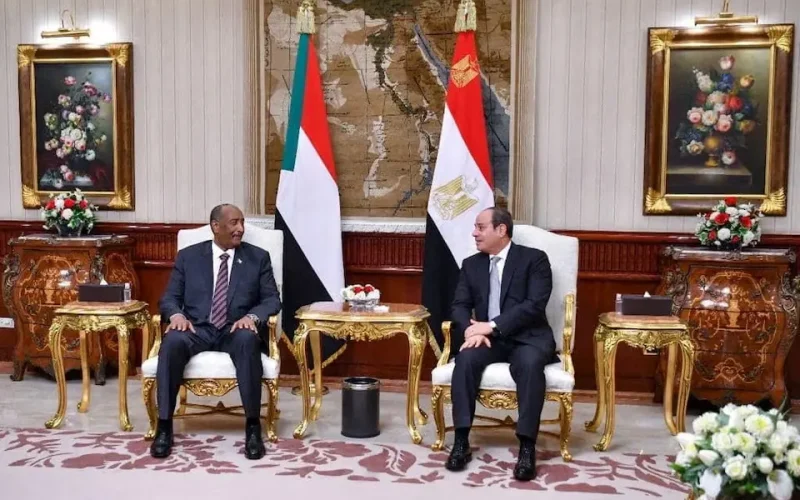
AS a devastating conflict has unfolded across Sudan over the past year, the country's military rivals have sought support from foreign backers as they try to tip the contest in their favour. That backing risks widening and prolonging the war between the Sudanese armed forces, led by General Abdel Fattah al-Burhan, and the paramilitary Rapid Support Forces (RSF) headed by Mohamed Hamdan Dagalo, commonly known as Hemedti. The influence of outside players has loomed over events in Sudan since the overthrow of former leader Omar al-Bashir during a popular uprising five years ago. WHO SUPPORTS BURHAN? Burhan's clearest ally has been Egypt, which shares a border with…
Read More
West Africa’s falling fish stocks: illegal Chinese trawlers, climate change and artisanal fishing fleets to blame

West Africa’s falling fish stocks: illegal Chinese trawlers, climate change and artisanal fishing fleets to blame

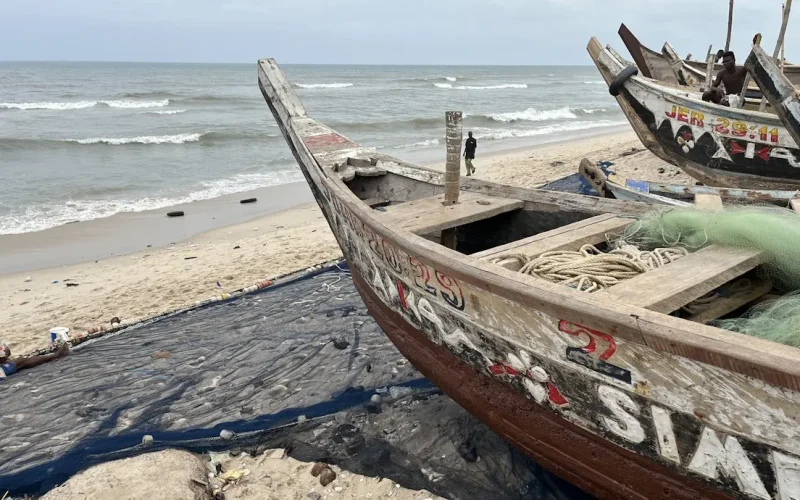
AVERAGE fish catches by traditional fishing communities along the West African coast have declined significantly over the past three decades. Along the Gulf of Guinea, stretching from Côte d'Ivoire to Nigeria, fishers launch their wooden canoes from the beach to catch small pelagic fish, like sardines and anchovies, which they sell into local informal markets to make a living. They have done this for generations, but since the 1990s, a decline in the catch has put their livelihoods at risk. In Ghana, total landings of small pelagic fish fell by 59% between 1993 and 2019, despite increased fishing efforts. Landings…
Read More
What happened to Nelson Mandela’s South Africa? A new podcast series marks 30 years of post-apartheid democracy

What happened to Nelson Mandela’s South Africa? A new podcast series marks 30 years of post-apartheid democracy

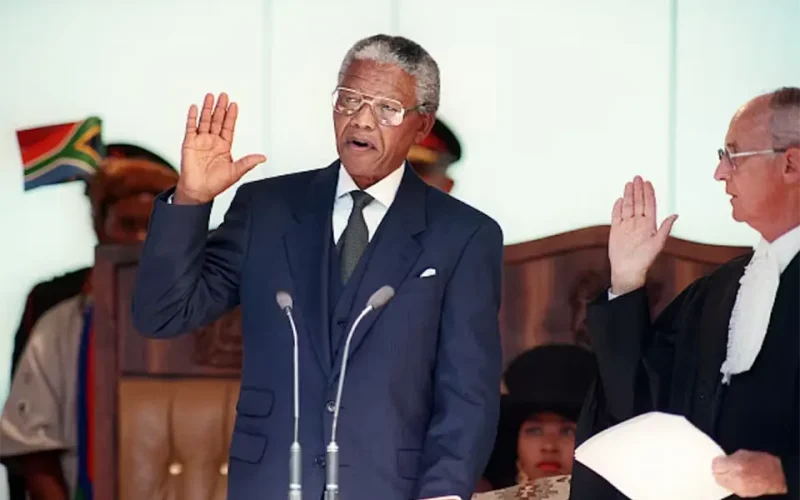
WHEN Nelson Mandela stood in front of the Union Buildings in Pretoria in May 1994 as South Africa’s first democratically elected president, my country was brimming with optimism for its post-apartheid future. I was there and relieved at the prospect of an end to bloodshed. I had seen far too much violence and death in my five-year career as a journalist, covering the deadly political violence that characterised the dying moments of apartheid. But was the negotiated settlement real freedom? The sceptic in me wondered. How could it be when we did not really defeat the white settler colonialists who’d…
Read More
Kenya’s wildlife conservancies make old men rich, while making women and young people poorer

Kenya’s wildlife conservancies make old men rich, while making women and young people poorer

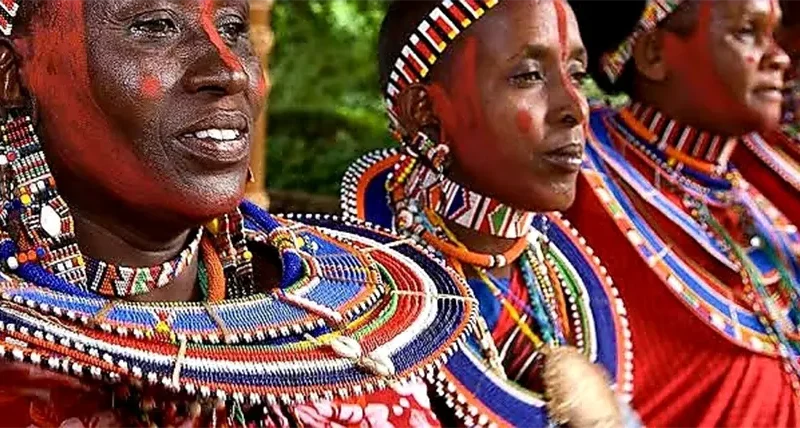
KENYA once had an exceptional abundance and diversity of wildlife. But as the country’s population boomed, wildlife lost space to people, buildings, roads and agriculture. Since 1948, Kenya’s population has surged by 780%, from 5.4 million people to 47.6 million people in 2019. This was accompanied by a 70% drop in wildlife numbers, between 1977 and 2013. This massive loss of wildlife and their habitats severely threatens Kenya’s lucrative tourism industry and the livelihoods of rural communities. Kenya earned about US$1.8 billion from tourism in 2022. It’s pivotal to the economy, contributing 10.4% to the national GDP and accounting for…
Read More
Kenya’s mission to Haiti: how the 1,000-strong force is preparing for planned intervention

Kenya’s mission to Haiti: how the 1,000-strong force is preparing for planned intervention

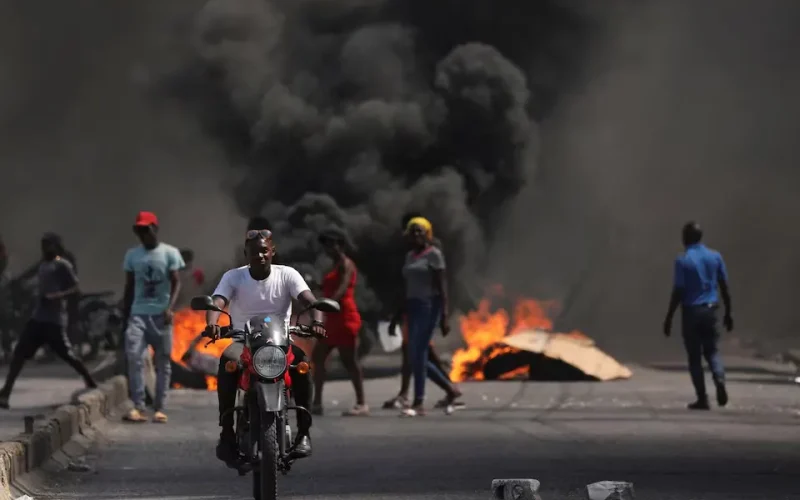
KENYA has temporarily halted controversial plans to send a specially trained contingent of 1,000 police officers to Haiti, where armed gang violence recently took a turn for the worse. After a visit to Nairobi in early March where he signed terms for Kenya’s deployment, Haitian Prime Minister Ariel Henry was forced to resign as gangs took control of the country’s capital, Port-au-Prince. In the absence of a government in Haiti, plans to deploy Kenyan troops are on hold. Oscar Gakuo Mwangi, who studies radicalisation and counter-terrorism in Kenya, takes a look at Kenya’s preparedness to take on Haiti’s urban gangs.…
Read More
Digital trade protocol for Africa: why it matters, what’s in it and what’s still missing

Digital trade protocol for Africa: why it matters, what’s in it and what’s still missing

IN February 2024, African heads of state adopted a draft protocol to regulate digital trade within the continent. This significant yet challenging course for Africa’s digital economy fits into the broader trade agreement, designed to create a single continental market for the free movement of goods, services, capital and people. Franziska Sucker explains the protocol, why it matters and what still needs to be done. What is digital trade, and how big is it in Africa? Digital trade refers to the cross-border exchange of goods, services and other tradable items that is enabled by digital technologies. Africa’s market share of…
Read More
Kenya’s greylisting for weak action on money laundering and terrorism financing: what that means and what must happen next

Kenya’s greylisting for weak action on money laundering and terrorism financing: what that means and what must happen next

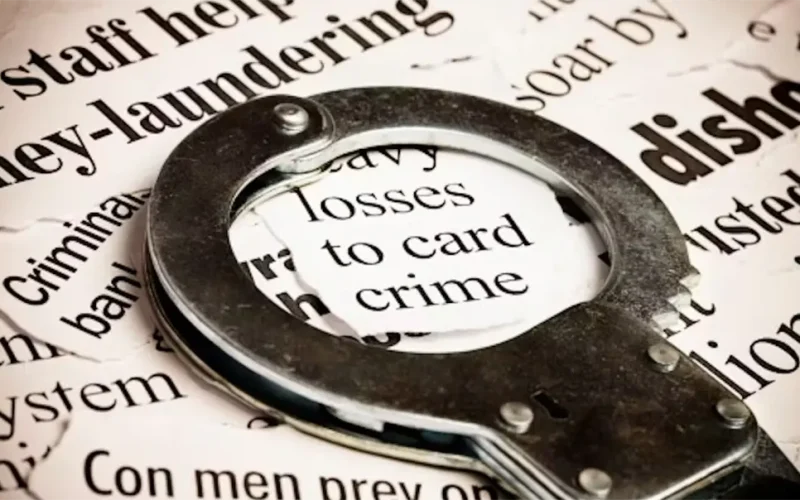
KENYA and Namibia are the latest African countries to be placed on the Financial Action Task Force’s grey list over their weak measures against money laundering and terrorism financing. Being on the grey list is typically seen as an indictment of a country’s ability to identify and effectively redress financial crimes. It warns investors to be cautious in dealings with the country. Financial crimes researcher Louis de Koker, who has recently studied the economic consequences of greylisting, answers questions on the move. Why is Kenya on the grey list? In February 2024 Kenya was greylisted by the Financial Action Task…
Read More
South Africa’s electricity crisis: what political parties say in their election manifestos about solving it

South Africa’s electricity crisis: what political parties say in their election manifestos about solving it

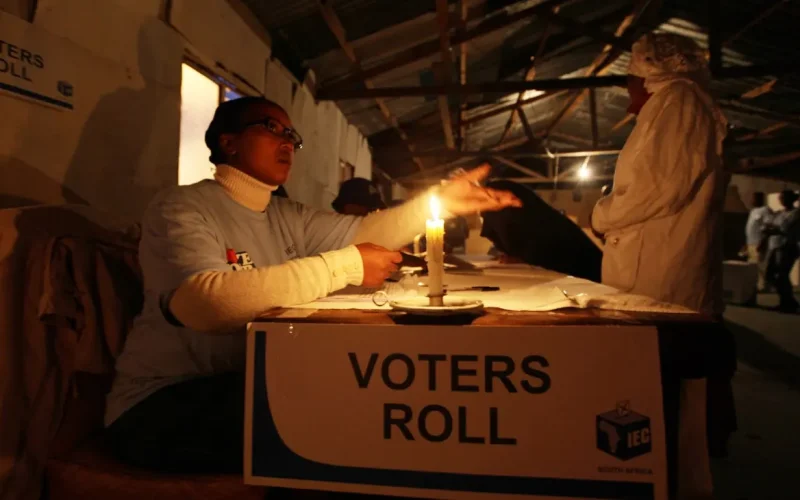
SOUTH Africa is in the middle of a deep electricity crisis. In 2023 the public, many of whom are voters, experienced the worst load-shedding to date, losing power for an average of five hours a day. The power shortages were largely due to excessive breakdowns in the country’s coal power plant fleet, which generates over 80% of South Africa’s electricity, combined with delays in developing new generation capacity. The power crisis is a key election topic with national elections scheduled for 29 May. The ruling African National Congress (ANC) is tipped to lose its absolute majority in parliament. One reason…
Read More
Kenya has tightened its laws to stop money laundering: why banks are the focus

Kenya has tightened its laws to stop money laundering: why banks are the focus

KENYA’S banking industry has in recent years been in the crosshairs of national, regional and international watchdogs, given the country’s role as a financial hub in eastern Africa. In 2023 Kenya enacted laws to curb money laundering and combat terrorism financing. While the laws have led to tougher sanctions on some banks, the risk of money laundering remains, and the country was recently greylisted by the Financial Action Task Force. A grey list contains countries that are actively working with the Financial Action Task Force to address loopholes in countering money laundering, terrorist financing, and proliferation financing. Constance Gikonyo, a…
Read More
Zulu culture and sexual orientation: South African study reveals the health costs of stigma

Zulu culture and sexual orientation: South African study reveals the health costs of stigma

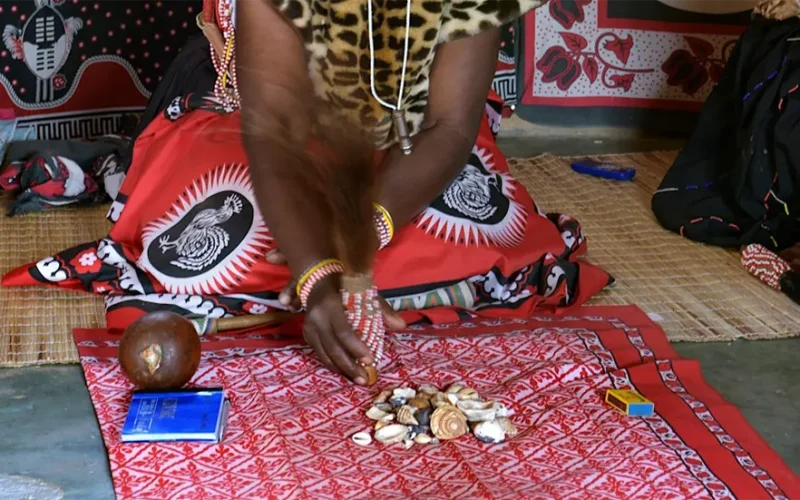
Same-sex relationships are legal in South Africa and protected by the constitution. Unfair discrimination on the basis of sexual orientation is against the law. But in practice, many cultures don’t necessarily see this as a right. Traditional Zulu culture, for example, perceives same-sex relationships and sexual intercourse as taboo and unAfrican. Statements like “real men are not gay” indicate some people’s ideas about masculinity and sexuality. These cultural norms have profoundly negative effects on Zulu men who have sex with men. This abuse often triggers depression, suicide and drug abuse. As a public health specialist with an interest in marginalised…
Read More