Our website use cookies to improve and personalize your experience and to display advertisements (if any). Our website may also include cookies from third parties like Google Adsense, Google Analytics, and Youtube. By using the website, you consent to the use of cookies.

How Accra tackled complex challenges in an urban slum

How Accra tackled complex challenges in an urban slum

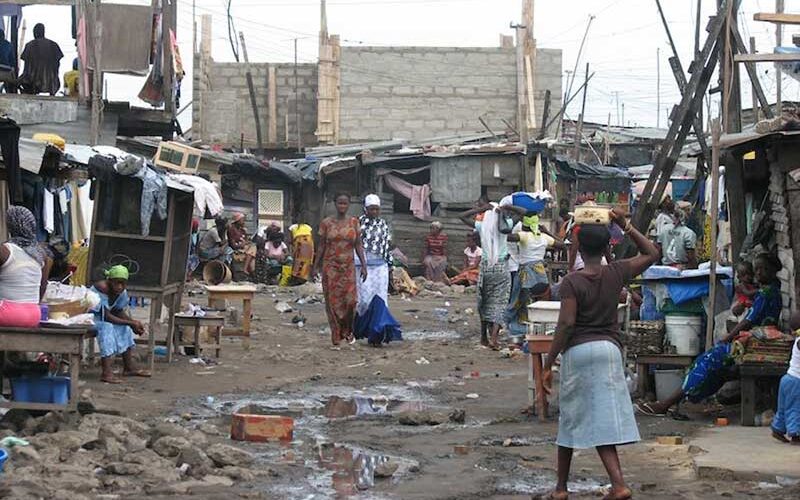
JESSICA KRITZ, Assistant Professor--Research Track, Georgetown University WHEN I first heard about the community of Old Fadama in Accra, Ghana, I recognised something. A Ghanaian Catholic sister who visited the green market weekly in that neighbourhood told me about it. She worried about a community of vulnerable migrant women known as “head porters” or kayayei, who earned a pittance transporting heavy items balanced on their heads. Old Fadama reminded me of Appalachia, the part of the US where I grew up in the late 1970s. Nearly everyone in my county lived below the poverty line. We learned to work together…
Read More
For Ugandan activist, COVID curbs set new hurdle in climate fight

For Ugandan activist, COVID curbs set new hurdle in climate fight

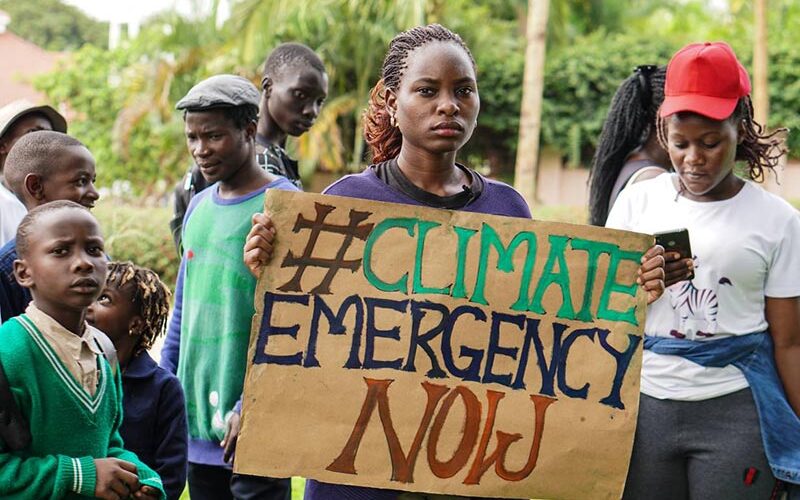
ELIAS BIRYABAREMA IN a run-down residential compound in Kampala, Vanessa Nakate thrusts her fist in the air as she rallies 30 young demonstrators to defend their planet against climate change. "What do we want?" she shouts, to a ragged chorus of "climate justice". The youngest protester, two-year-old Manvir Ssozi, sucks his thumb as he flaps a placard that reads: "Money will be ... useless on a dead planet." Nakate's demonstration in the Ugandan capital is part of a global day of youth action against climate change inspired by Sweden's Greta Thunberg. A wiry and vivacious 23-year-old, Nakate founded a climate…
Read More
Adrar’s problems exposed as Sahara Desert heats up

Adrar’s problems exposed as Sahara Desert heats up

MAHER MEZAHI and ZAHRA RAHMOUNI THE Sahara desert is synonymous with Algeria. It covers more than 80% of its national territory and is responsible for producing most of its wealth through agriculture, natural gas and crude oil. Those populations living in the deepest corners of the desert and most in need of help paradoxically remain the most marginalised. Nowhere is that truer than in the province of Adrar, where it is not uncommon for temperatures to exceed 50°C during the infernal summer months. Local meteorologists have even drawn what they call the “triangle of fire” between the provincial cities of…
Read More
Battle from below: South African miners fight climate change

Battle from below: South African miners fight climate change

KIM HARRISBERG  FOUR nights a week, Given Zuli packs some food, meets his colleagues at the entrance of an abandoned coal mine in South Africa's eastern Mpumalanga province, and descends into the earth for up to 12 hours, chipping away at the black rock. Zuli is one of thousands of small-scale, illegal miners across South Africa - a number believed to be on the rise as unemployment spikes in a brittle economy - who make a living selling coal collected in abandoned, derelict mine shafts. But Zuli is also part of a growing environmental movement in the coal-rich province, campaigning for…
Read More
U.N. says global goals to protect nature need women to succeed

U.N. says global goals to protect nature need women to succeed

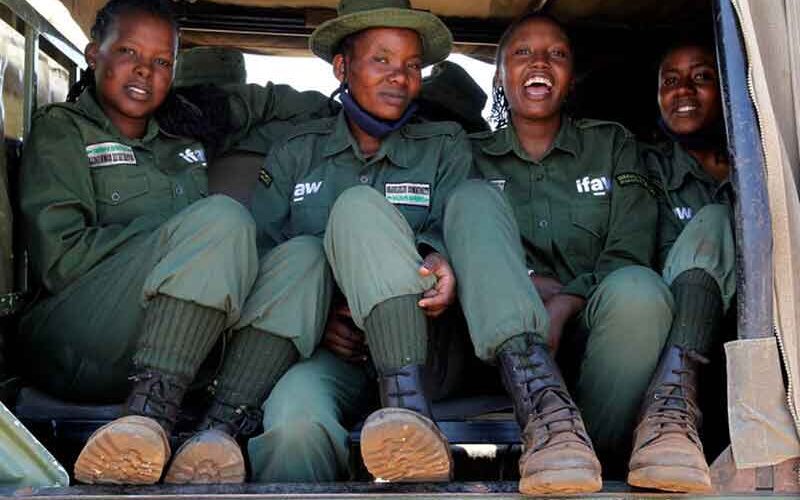
LAURIE GOERING WOMEN - who gather much of the world's wood and water, and carry out a large share of its farming - have too little say in how land is used, one key reason countries are failing to halt rapid losses of nature, environmental officials said on Tuesday. Giving women a bigger voice in decision-making "is essential to achieve our biodiversity goals", said David Cooper, deputy executive director of the U.N. Convention on Biological Diversity (CBD). The United Nations released a sobering update on global efforts to protect forests, plants, wildlife, fish and other forms of nature, noting that none of…
Read More
Kenyan county tackles water woes with locally led climate fund

Kenyan county tackles water woes with locally led climate fund

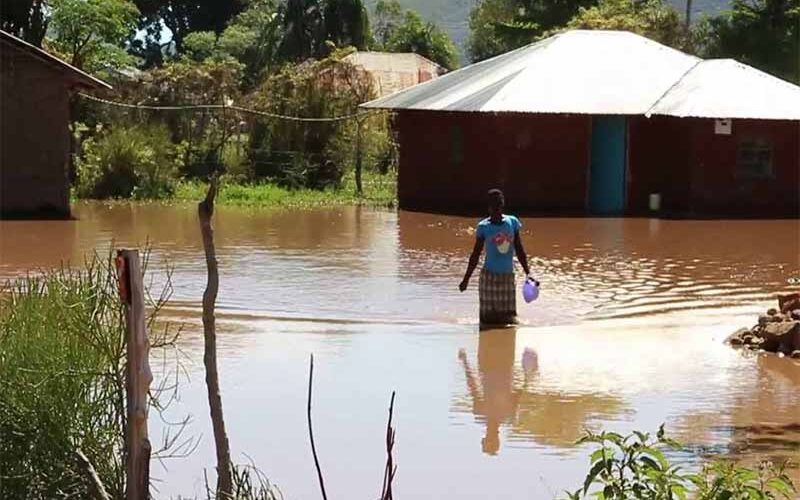
GEOFFREY KAMADI EXPOSED to both drought and flash floods, Makueni was one of the first counties in Kenya to set up its own fund to help small-scale farmers cope with worsening climate change impacts, and dedicate local resources to tackling the problem. Inhabitants of this water-scarce region southeast of Nairobi have often faced hunger during long dry periods, while heavy rains inundate its low-lying savannah with little notice. Sometimes the two extremes hit the county at the same time. "We had to think of a quick, locally led solution for our people," said Mary Mbenge, Makueni's chief officer for natural…
Read More
Zimbabwe bans mining in wildlife parks

Zimbabwe bans mining in wildlife parks

ZIMBABWE’S government has banned mining in game reserves following concerns from conservationists who accused two Chinese companies of exploring for coal in the biggest national park, Hwange. Hwange, in western Zimbabwe, is home to the country's biggest elephant herd - more than 40,000, large pride of lions as well as buffalo, among other game and birds that are popular with tourists. The park is near a forest where 22 elephants have died in mysterious circumstances. The Bhejane Trust, which works with the wildlife authority in conservation in Hwange and the Safari Operators Association said two Chinese firms were allocated concessions…
Read More
Mauritius must protect vulnerable coastal communities from the effects of the oil spill

Mauritius must protect vulnerable coastal communities from the effects of the oil spill

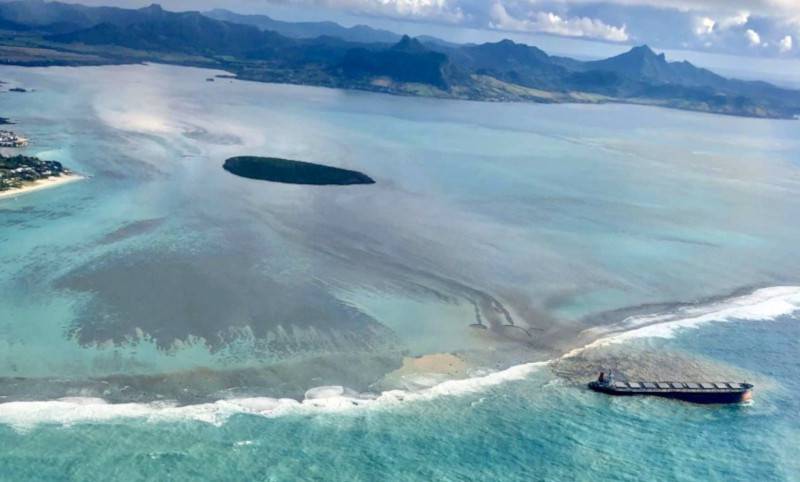
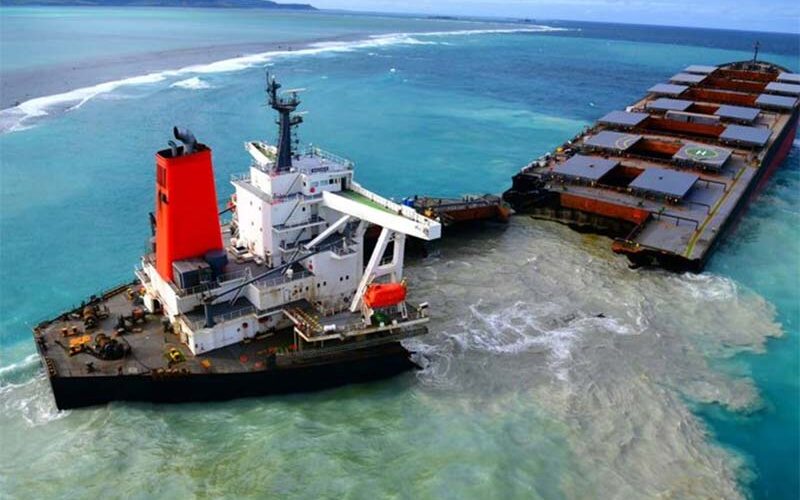
ROSABELLA BOSWELL, Professor of Ocean Cultures and Heritage, Nelson Mandela University ON 25 July 2020, the Japanese ship, MV Wakashio, ran aground the coral reef off the eastern coast of Mauritius. The vessel discharged more than 1,000 tonnes of oil into the island’s pristine lagoon including its Blue Bay Marine reserve. The situation is critical because Mauritius is a biodiversity hotspot. But beyond the environmental consequences, there’s the human impact. Oil spills have major social and health implications. People exposed can suffer from liver damage, skin and lung disorders, increased cancer risk, reproductive damage and post traumatic stress. Responding to…
Read More
Kenyans fear ‘ecological disaster’ if two swollen lakes merge

Kenyans fear ‘ecological disaster’ if two swollen lakes merge

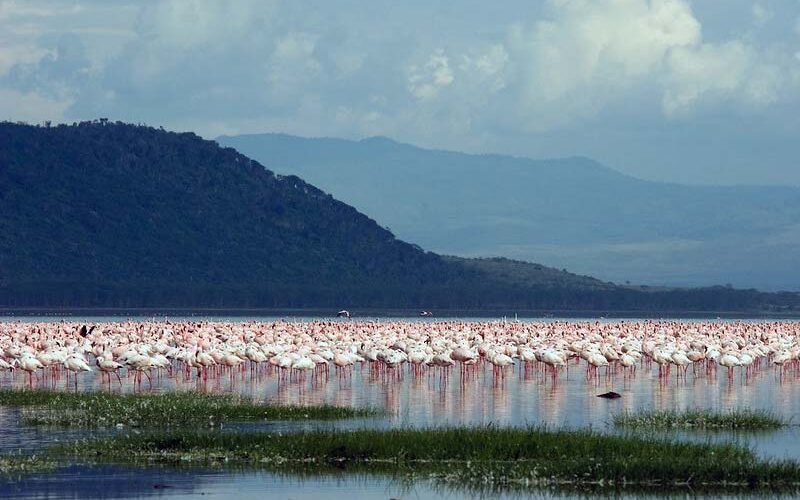
JACKSON NJEHIA Lake Baringo, one of the most northern of the Kenyan Rift Valley lakes, is visible at the top of the image. With a surface area of 130 sq km and an elevation of around 970 m, the lake has an average depth of around 5 m and it is one of the two freshwater lakes in the Rift Valley.South of Lake Baringo lies Lake Bogoria – a saline, alkaline lake. The long and narrow lake has an area of around 30 sq km and is around 10 m deep. Lake Bogoria provides refuge for the lesser flamingo, with…
Read More
Nigeria’s pioneering gas flaring plan risks going down in flames

Nigeria’s pioneering gas flaring plan risks going down in flames

LIBBY GEORGE  JONAH Gbemre often has no electricity, but he says his home is permanently lit at night by the flames of waste gas being "flared" near his home town in Nigeria's Delta State. Like Gbemre, nearly half of Nigerians have no stable power supply, yet government attempts to harness gas belching from its oil fields to generate urgently-needed electricity or revenue have stalled. And experts say that without progress towards its 2030 target of virtually eliminating flaring, which releases carbon dioxide along with polluting methane and soot, Nigeria cannot meet its pledge to cut greenhouse gas emissions by 20%.…
Read More