Our website use cookies to improve and personalize your experience and to display advertisements (if any). Our website may also include cookies from third parties like Google Adsense, Google Analytics, and Youtube. By using the website, you consent to the use of cookies.

Five unusual technologies for harvesting water in dry areas

Five unusual technologies for harvesting water in dry areas

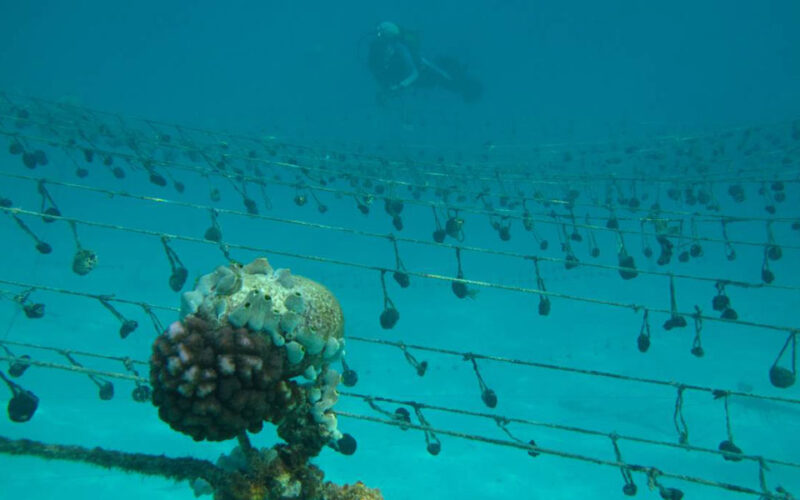
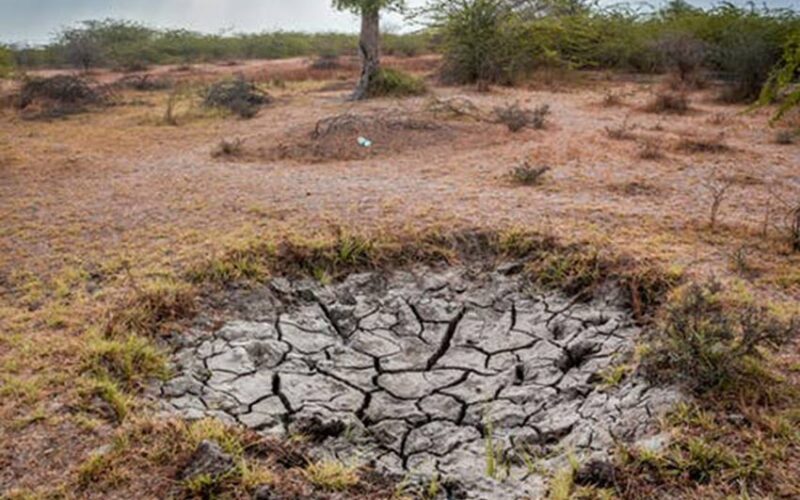
MANZOOR QADIR, Assistant Director of the Institute for Water, Environment and Health, United Nations University VLADIMIR SMAKHTIN, Director of the Institute for Water, Environment and Health, United Nations University WATER scarcity is among the top five global risks affecting people’s wellbeing. In water-scarce areas, the situation is grim. Conventional sources like snowfall, rainfall, river runoff and easily accessible groundwater are being affected by climate change, and supplies are shrinking as demand grows. In these countries, water is a critical challenge to sustainable development and a potential cause of social unrest and conflict. Water scarcity also impacts traditional seasonal human migration…
Read More
Heat wave shrivels mango crop for Egypt’s farmers

Heat wave shrivels mango crop for Egypt’s farmers

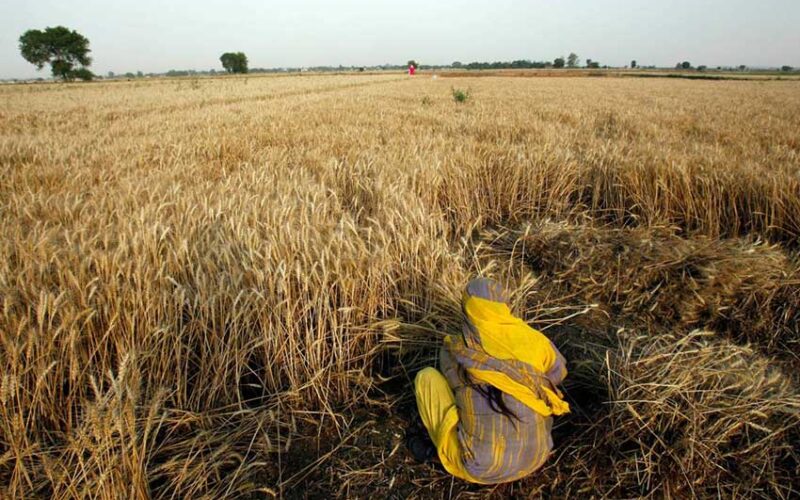
MALAIKA TAPPER THE mango groves of Egypt's Ismailia province, normally humming with harvesting activity in July, have been quiet this summer following an unexpected heat wave that has ruined much of the crop and hurt farmers' livelihoods. Farmer Adel Dahshan, wearing a white galabeya stained with mango juice, said his farmed areas have yielded just a tiny fraction of their normal bounty. A sudden heat wave swept the province of Ismailia, which borders the Suez Canal, in early winter and then again in late March, and those hot days and cool nights have disrupted the fruit's development. "The weather at…
Read More
South Africa to probe elevated sulphur levels

South Africa to probe elevated sulphur levels

SOUTH Africa's Environmental Ministry would investigate whether petrochemical company Sasol's Secunda operations could be the source of a sulphur smell experienced in parts of Gauteng and Mpumalanga provinces since the weekend, officials have announced. The Department of Environment, Forestry and Fisheries said the smell was likely a combination of elevated levels of sulphur dioxide and hydrogen sulphide. Sasol said in a statement on its website on Tuesday that its Secunda operations did not have any operational incidents that could have resulted in an increase in sulphur emissions. The company said it had also started an investigation to assist in identifying…
Read More
Senegalese plant circular gardens in Green Wall defence against desert

Senegalese plant circular gardens in Green Wall defence against desert

CHRISTOPHER VAN DER PERRE and COOPER INVEEN EVERY night Moussa Kamara works at his bakery preparing hundreds of loaves but at sunrise, instead of going home to sleep, he now starts a second back-breaking job - hoeing the earth and tending newly sown seeds in a specially designed circular garden. Kamara, 47, believes the garden will prove even more important than the bakery in the future for feeding his extended family, including 25 children, and other residents of Boki Dawe, a Senegalese town near the border with Mauritania. He is part of a project that aims to create hundreds of…
Read More
Zimbabwe’s too-productive mango growers look to the sun to boost incomes

Zimbabwe’s too-productive mango growers look to the sun to boost incomes

LUNGO NDHLOVU BEFORE agronomist Peter Sena retired, he planted a variety of mango trees on his rural homestead in Zimbabwe's Midlands province, aiming to ensure an ongoing income for his family. This year, an unusually wet rainy season combined with coronavirus restrictions that closed down most of the markets in the country threatened to leave him with a bumper mango harvest - and nobody to sell it to. But a new dried fruit processing centre, which opened in the nearby town of Gokwe in November last year, means Sena can save his mangoes from spoiling and turn them into a…
Read More
EXPLAINER – U.N. summit seeks to shape a food system fit for the future

EXPLAINER – U.N. summit seeks to shape a food system fit for the future

MEGAN ROWLING PEOPLE don't agree on much when it comes to food. But most think how we produce it isn't working for everyone on the planet, nor for crucial natural systems vital to food production, including soils, water and the climate. In response, an upcoming U.N. summit on food systems aims to curb damage to the environment and wildlife from what's on our plates, as well as tackle hunger made worse by the COVID-19 pandemic and climate-heating emissions from agriculture and food waste. Preparations for September's event, due to take place in New York, have already brought together governments, farmers,…
Read More
Adaptation no longer ‘Cinderella’ of climate action – but barriers remain

Adaptation no longer ‘Cinderella’ of climate action – but barriers remain

LAURIE GOERING EFFORTS to adapt to worsening climate change impacts are no longer playing "Cinderella" to better-financed work to cut emissions - but big obstacles still stand in the way of staying safer from climate threats, adaptation experts said on Thursday. Those range from inadequate investment in adaptation work, to over-zealous accountability mechanisms for public spending and a failure to include local people in developing plans and judging their success, they told an online discussion. Too many poor countries, meanwhile, are waiting to receive donor cash to adapt to more extreme weather and rising seas, when rethinking their own spending…
Read More
How extractive industries manage to carry on harming the planet

How extractive industries manage to carry on harming the planet

AROUND the globe, concern is mounting about the unfolding climate and ecological catastrophe. Yet the extraction of natural resources through mining and energy projects continues on a large scale, with disastrous environmental consequences. JUDITH VERWEIJEN, Lecturer, University of Sheffield ALEXANDER DUNLAP, Post-Doctoral Research Fellow, University of Oslo To understand how this is possible, one place to start is recognising that extraction is not just a physical engineering process. It requires social engineering as well. To be able to function smoothly, extractive corporations and their governmental allies sculpt social conditions. They “manufacture” consent and “manage” dissent towards their ventures. These industries…
Read More
African first: Gabon paid to protect tropical forests

African first: Gabon paid to protect tropical forests

SETH ONYANGO GABON has become the first African state to receive payment for protecting its forests, in what could further incentivise other forested nations to double up on conservation efforts Dense, deep and almost impenetrable, the tropical forests of the Central African region – dubbed the "second lungs of the world" − extend over 200 million hectares. It is vast and darkly foreboding and defines life for some of the planet’s rarest and most endangered plants and animals. However, decades of illegal logging and unsustainable farming is shrinking forest cover in key forested countries like the Central African Republic, Democratic…
Read More
Farmers fight back: Making animal feed from a locust plague

Farmers fight back: Making animal feed from a locust plague

BAZ RATNER KENYA is battling some of the worst locust plagues in decades, but start-up The Bug Picture hopes to transform the pests into profits and bring "hope to the hopeless" whose crops and livelihoods are being destroyed by the insects. Unusual weather patterns exacerbated by climate change have created ideal conditions for surging locust numbers, which have destroyed crops and grazing grounds across East Africa and the Horn. Scientists say warmer seas are creating more rain, waking dormant eggs, and cyclones that disperse the swarms are getting stronger and more frequent. The Bug Picture is working with communities around…
Read More