Our website use cookies to improve and personalize your experience and to display advertisements (if any). Our website may also include cookies from third parties like Google Adsense, Google Analytics, and Youtube. By using the website, you consent to the use of cookies.

Why was South Africa’s ambassador to the US expelled? A view of the Ebrahim Rasool affair

Why was South Africa’s ambassador to the US expelled? A view of the Ebrahim Rasool affair

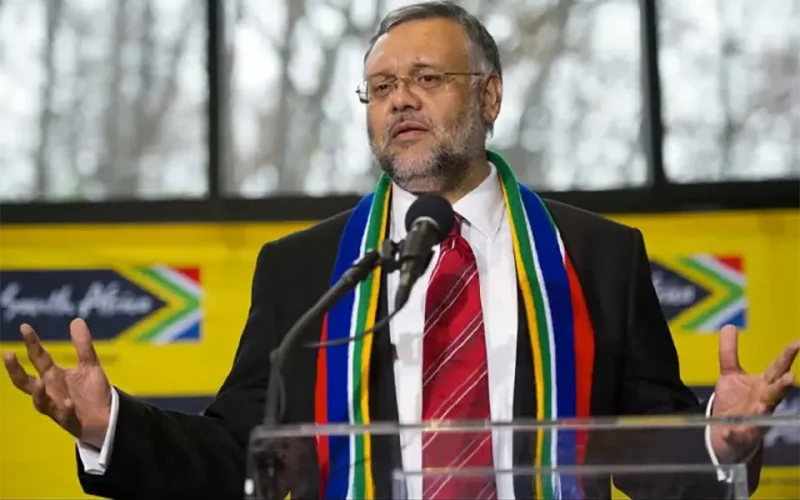
IN a rare move, the Trump administration expelled Ebrahim Rasool, South Africa’s ambassador to Washington, in mid-March 2025. In a post on X, US Secretary of State Marco Rubio accused Rasool of hating the US and President Donald Trump, and said the ambassador was “no longer welcome in our great country”. The expulsion came after comments Rasool had made during a webinar organised by a South African think-tank, the Mapungubwe Institute for Strategic Studies. Rasool had said he thought that Trump was “mobilising a supremacism” and trying to “project white victimhood as a dog whistle” as the white population faced…
Read More
Kirsty Coventry and whiteness in Zimbabwe: how sport can rewrite the political rules

Kirsty Coventry and whiteness in Zimbabwe: how sport can rewrite the political rules

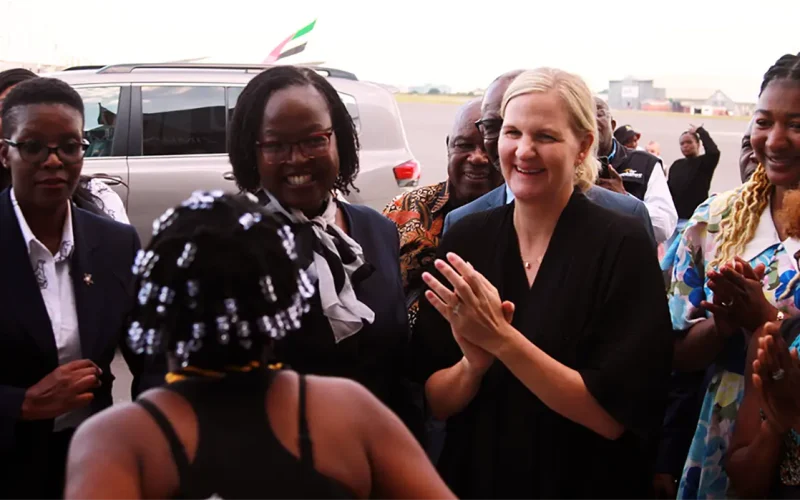
KIRSTY Coventry’s story is one of apparent contradictions. She’s a white woman celebrated as a national hero in a Black-majority Zimbabwe and an Olympic swimmer turned politician. She’s also now one of the most powerful figures in global sports as president of the International Olympic Committee (IOC). Her journey reflects the complex interplay of race, gender and post-colonial politics in Zimbabwe, a nation still grappling with the legacies of colonialism and the authoritarian rule of Robert Mugabe. As sociologists in Zimbabwe, we drew from newspaper reports and academic and online sources to give an account of how these factors have…
Read More
South Africa’s civil servants are missing skills, especially when it comes to technology – report

South Africa’s civil servants are missing skills, especially when it comes to technology – report

SOUTH Africa’s goal since 2012 has been to build a capable and developmental state to address the twin challenges of poverty and inequality. The country’s National Development Plan defines a capable state as “well-run and effectively coordinated state institutions with skilled public servants”. A transformative and developmental role is about “consistently delivering high-quality services” for the good of society. To meet these goals, the country requires people in government with the necessary technological skills. This has been shown to be true in analysis of how governments from various regions worldwide have responded to technology as part of the Fourth Industrial…
Read More
Confronting the scourge of sexual violence against women and children in SA

Confronting the scourge of sexual violence against women and children in SA

THE cries of South Africans continue to echo into an abyss of indifference. Women and children are persistently subjected to sexual violence, molestation, and countless other forms of abuse, often at the hands of those who are supposed to protect them: fathers, mothers, teachers, brothers, uncles, and guardians. Yet, these cries go unheard. Too many women, too many children, with far too many becoming nothing more than statistics; victims of the 'monsters' lurking not in dark alleys, but in the hallways of their own homes, schoolyards, churches, and university campuses. April is Sexual Assault Awareness Month; however, for many, it…
Read More
Sudan’s civil war: What military advances mean, and where the country could be heading next

Sudan’s civil war: What military advances mean, and where the country could be heading next

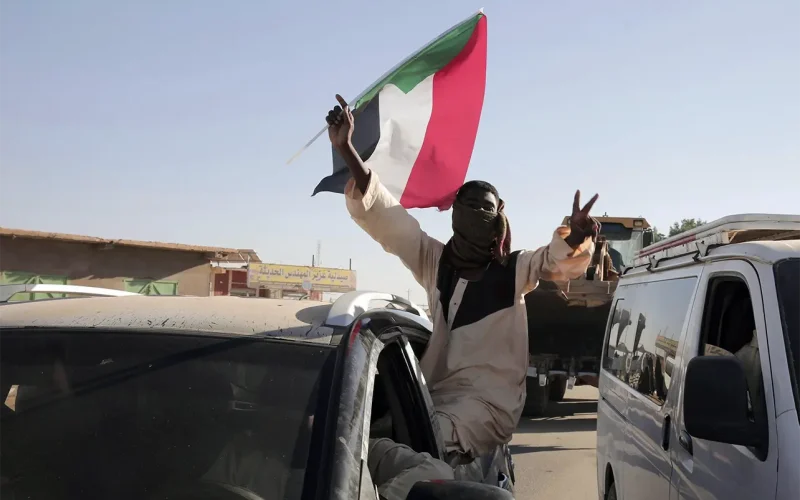
A series of advances by the Sudanese military has led some observers to posit that the African nation’s yearslong civil war could be at a crucial turning point. Even if it were to end tomorrow, the bloody conflict would have left the Sudanese people scarred by violence that has killed tens of thousands and displaced millions of people. But the recent victories by the military do not spell the end of its adversary, a rebel paramilitary group that still holds large areas in Sudan. The Conversation turned to Christopher Tounsel, a historian of modern Sudan at the University of Washington,…
Read More
Honouring the “Insurgent Diplomat”: South Africa Reaffirms Commitment to Peace, Multilateralism and African Unity

Honouring the “Insurgent Diplomat”: South Africa Reaffirms Commitment to Peace, Multilateralism and African Unity

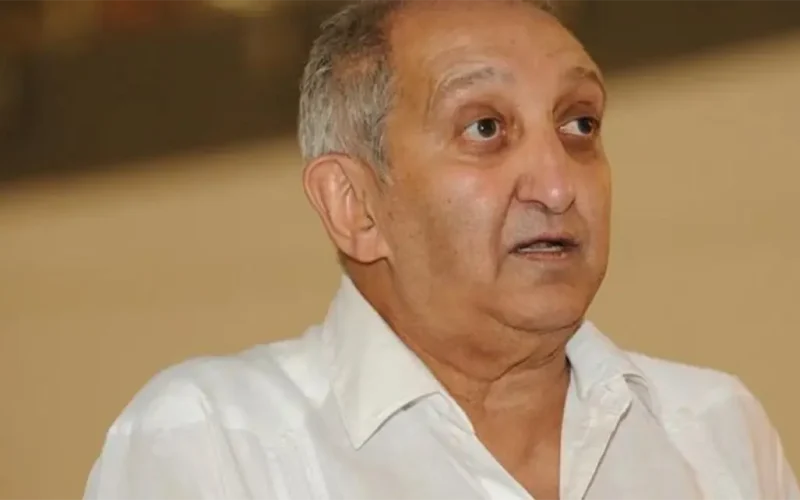
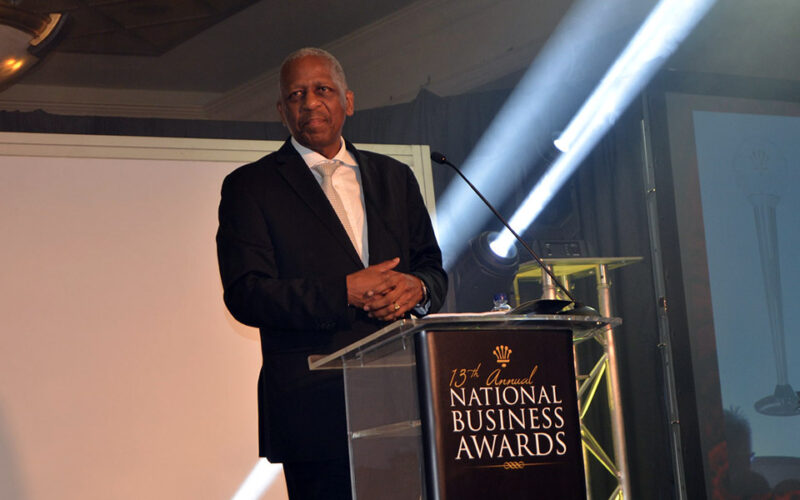
THE current generation of South Africans must deepen the foundations we have inherited from previous generation stalwarts, such as the former Deputy Minister of International Relations and Cooperation, Aziz Pahad, a true servant diplomat. Known as the "Insurgent Diplomat," as the title of his biography suggests, Aziz Pahad will be remembered as a man of deep conviction and principle. He was steadfast in his belief in anti-imperialism, anti-racism, and the protection and promotion of non-racialism, genuine partnership - not paternalism - solidarity instead of unilateral enforcement, multilateralism, and genuine international cooperation. Just as we stand for peace and peaceful settlement…
Read More
“I want to stay at the border and bark at Verwoerd”

“I want to stay at the border and bark at Verwoerd”

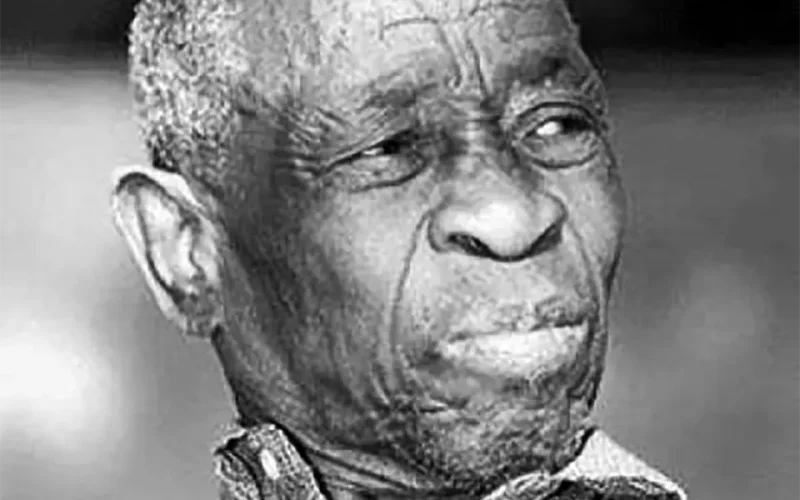
BORN in Kanye, Ntwaesele Thatayaone “Fish” Keitseng was one of the most remarkable persons I have had the privilege to know. An ordinary man by origin, he left an extraordinary legacy through his tenacious commitment as a freedom fighter for the dignity and emancipation of Africa as a leading member of the African National Congress (ANC) and pioneer local nationalist. In the latter role, he was a founder member of the Bechuanaland Peoples Party (BPP) and Botswana Independence Party (BIP) before helping to facilitate the formation of his ultimate political home, the Botswana National Front (BNF). At the same time,…
Read More
Guinea-Bissau’s political crisis: a nation on the brink of authoritarianism

Guinea-Bissau’s political crisis: a nation on the brink of authoritarianism

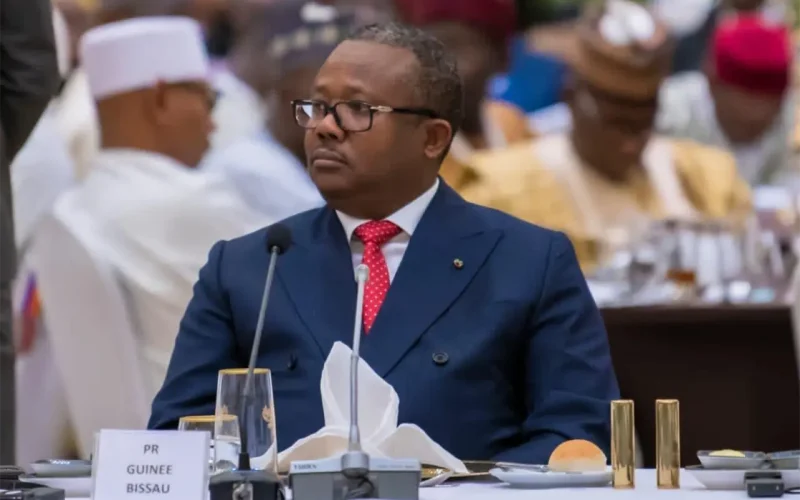
GUINEA-BISSAU faces a deep political crisis. For several years, the small West African nation has endured growing tensions between political institutions and there’s now a strong climate of uncertainty. Guinea-Bissau’s general elections had been scheduled for November 2024, but President Umaro Sissoco Embaló postponed them citing political instability, logistical challenges and disputes over presidential term limits. He has since announced 30 November 2025 as the new date for elections. Embaló has been president of Guinea Bissau since 27 February 2020. The opposition and the Supreme Court argue that his presidency should have ended on 27 February 2025. Embaló however insists…
Read More
Who is Kirsty Coventry and how did she become the most powerful person in world sports?

Who is Kirsty Coventry and how did she become the most powerful person in world sports?

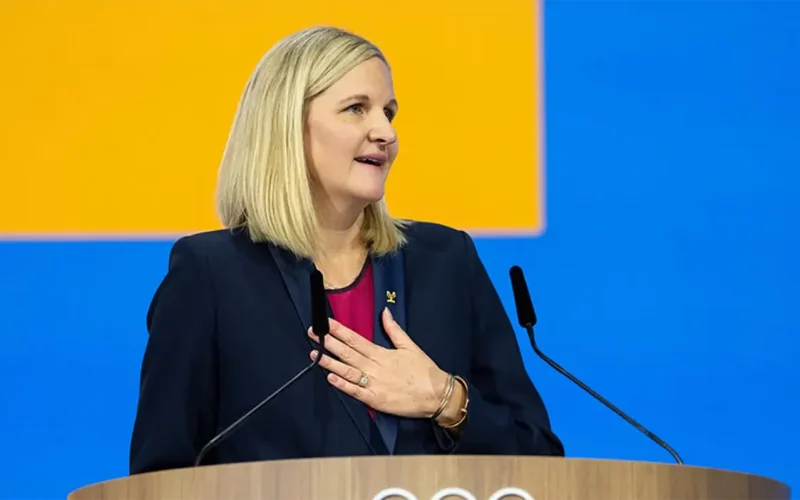
THE International Olympic Committee (IOC) has elected a woman as its president for the first time ever. Zimbabwe’s Kirsty Coventry is also the youngest-ever IOC president and the first from an African country, becoming a symbol of the IOC’s drive to diversify its leadership and image. Sports management scholar Davies Banda was part of a global research team that compiled an IOC-commissioned report on the roles of women in the organisation. He traces Coventry’s journey as a swimming star, politician and sports administrator. Who is Kirsty Coventry? She is Africa’s most decorated Olympian of all time. She won seven medals…
Read More
What leadership does Africa need, and how do we achieve It?

What leadership does Africa need, and how do we achieve It?

THE face of geopolitics changed dramatically following the Presidential election in America. Africa is clearly not a priority for the current leader of the free world, and Europe is gearing up to become an even more substantial voice in global politics. South Africa's current alignment with the BRICS family presents both opportunities and challenges. On the continent, government debt, slow economic growth, and corruption hinder forward economic mobility. Against this backdrop, we as leaders should consider the following strategies: Prioritize boosting economic growth by "throwing off the chains" of regulation Fight corruption through actions, not just words Avoid populist and…
Read More