Our website use cookies to improve and personalize your experience and to display advertisements (if any). Our website may also include cookies from third parties like Google Adsense, Google Analytics, and Youtube. By using the website, you consent to the use of cookies.

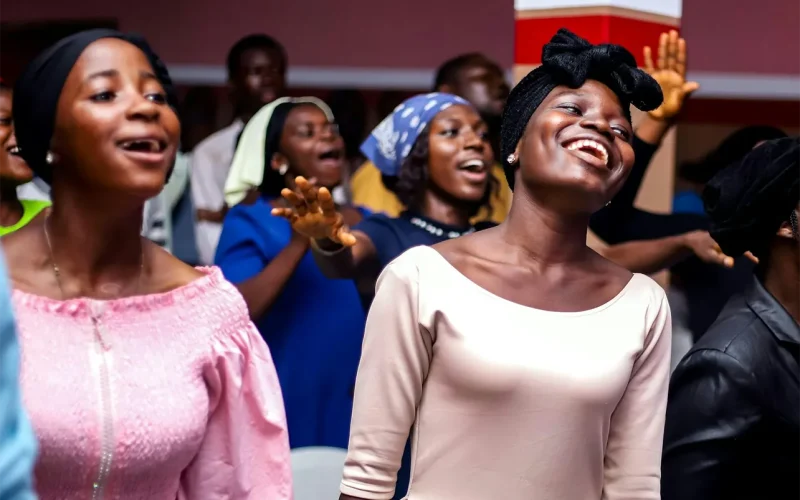
Pentecostal churches are a place of everyday care, not just bizarre spectacle: southern African study

Pentecostal churches are a place of everyday care, not just bizarre spectacle: southern African study

A growing brand of new Pentecostal churches in southern Africa is known to emphasise the prosperity gospel, deliverance, miracles and healing. Miracles, including people apparently rising from the dead, are just one of the contentious issues swirling around these churches. Pastors have been the subject of sensational media headlines for spraying congregants with insecticide or making them eat grass, selfies taken in heaven, or claims of fraud and rape. In response to these kinds of abuses, the South African government even established an independent cultural commission, which created a special committee “to deal with issues in the religious sector”. The…
Read More
THE GENERAL, THE TWEET AND THE PUNCHING BAG: Muhoozi’s X meltdown lays bare the soul of Uganda’s succession crisis

THE GENERAL, THE TWEET AND THE PUNCHING BAG: Muhoozi’s X meltdown lays bare the soul of Uganda’s succession crisis

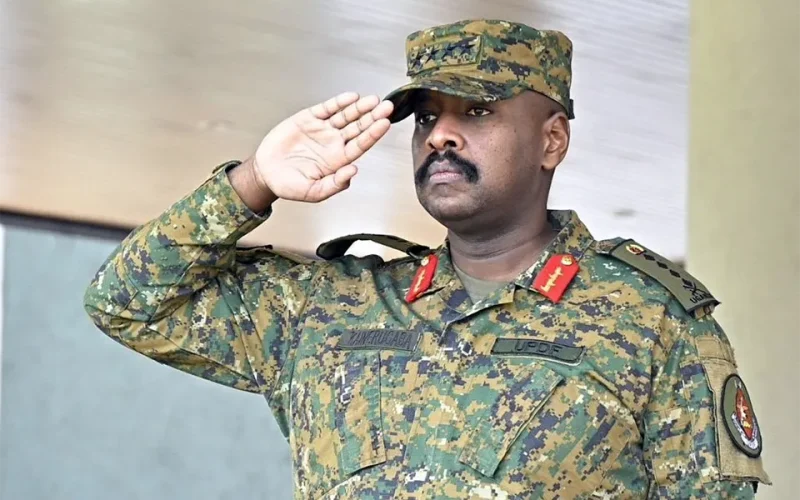
IT was, as they say in the scrolling, unforgiving theatre of social media, quite the post. Not a policy statement. Not a military briefing. Not even a poorly worded threat dressed up as banter. It was, in fact, all three - wrapped in one breathtaking, 280-character confession of the soul of Uganda's ruling family. General Muhoozi Kainerugaba - Commander of the Uganda People's Defence Force, four-star general, serial tweeter, aspiring president-in-waiting, and, crucially, son of the man who has run Uganda since 1986 - logged onto X on a recent Tuesday and, with the casual confidence of a man who…
Read More
Iran war: what African countries can do to get through the crisis and emerge in a better place

Iran war: what African countries can do to get through the crisis and emerge in a better place

BY Easter 2026, it was still not clear when – or how – the war initiated by Israel and the US against Iran would end. But what was already clear was that it would harm Africa in a number of ways. Firstly, it would adversely affect the global supply and prices of oil and gas, fertilisers and food. Secondly, local currencies would be affected. More than a month after the war had started, a number of African currencies had begun to lose value against the US dollar. Thirdly, interest rates stopped falling, and further rate increases were highly likely. Fourth,…
Read More
“Protect our nation’s legacy: fix flaws, ensure democracy delivers for all South Africans”

“Protect our nation’s legacy: fix flaws, ensure democracy delivers for all South Africans”

OVER the past three decades, millions of South Africans have exercised their democratic right to vote - often with hope and always with dignity. Yet we must also acknowledge, with humility and honesty, that many of our people have expressed disappointment with the dividends of democracy. For too many, lived realities have not improved as they had hoped. Just a few days ago, we released the Human Sciences Research Council's findings on voter participation. These findings invite sober reflection on the nation and on the state of our electoral democracy.In essence, the findings indicate that, three decades into democracy, public…
Read More
Inside the Presidency’s quiet anti-corruption machine

Inside the Presidency’s quiet anti-corruption machine

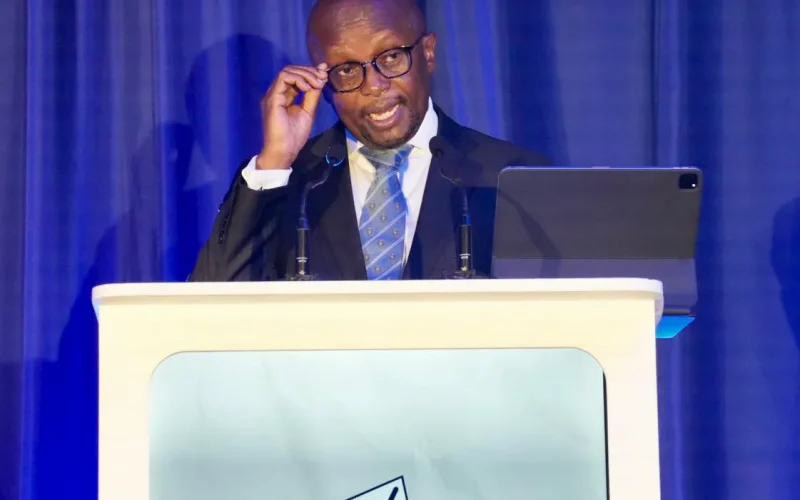
FAR from the glare of courtroom cameras and the political theatre that has come to define South Africa's anti-corruption conversation, a different kind of battle is being waged inside the Presidency. It is unglamorous, iterative, and largely invisible to the public - but those closest to it insist it is working. Jonathan Timm, a senior official in the South African Presidency's anti-corruption coordination function, laid out the architecture of this effort at an Institute for Security Studies seminar in Johannesburg, describing a set of interlocking mechanisms that together constitute what may be the most coherent systemic anti-corruption framework the country…
Read More
AI‑driven border surveillance is spreading across west Africa. What this means for migrants’ rights

AI‑driven border surveillance is spreading across west Africa. What this means for migrants’ rights

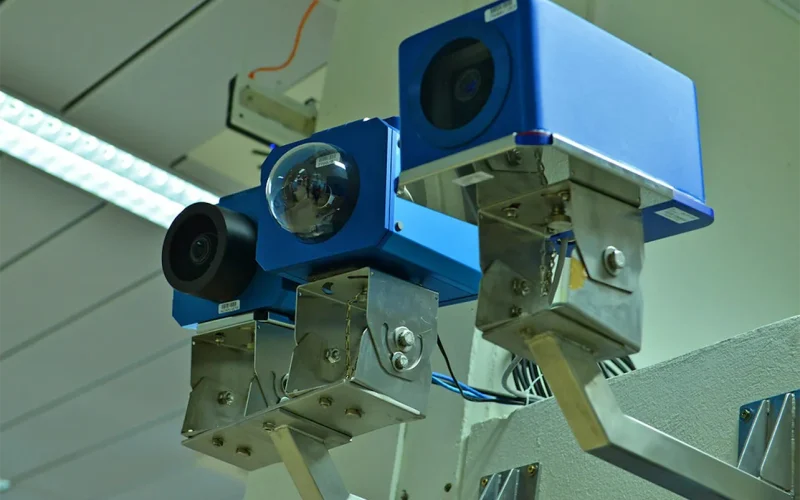
WEST Africa, as a region, has long had one of the most mobile populations in the world. Since 1979, the Economic Community of West African States (ECOWAS) has allowed citizens of its member states to travel freely across borders without visas. This freedom of movement has helped support regional trade, labour mobility and social ties. But a technological shift is changing how borders operate, with important implications for human rights. Across West Africa, governments are introducing biometric identification systems, facial recognition cameras and artificial intelligence tools at airports and land borders. As a researcher in international law, human rights and…
Read More
The transatlantic slave trade is the gravest crime against humanity – why the UN declaration matters

The transatlantic slave trade is the gravest crime against humanity – why the UN declaration matters

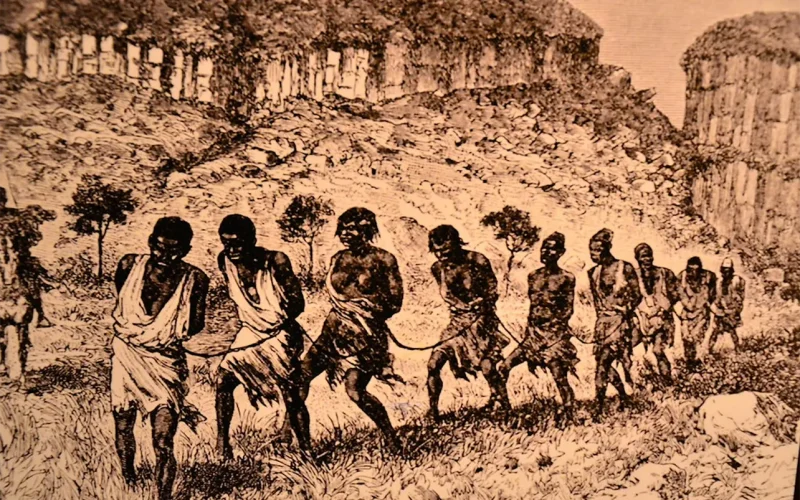
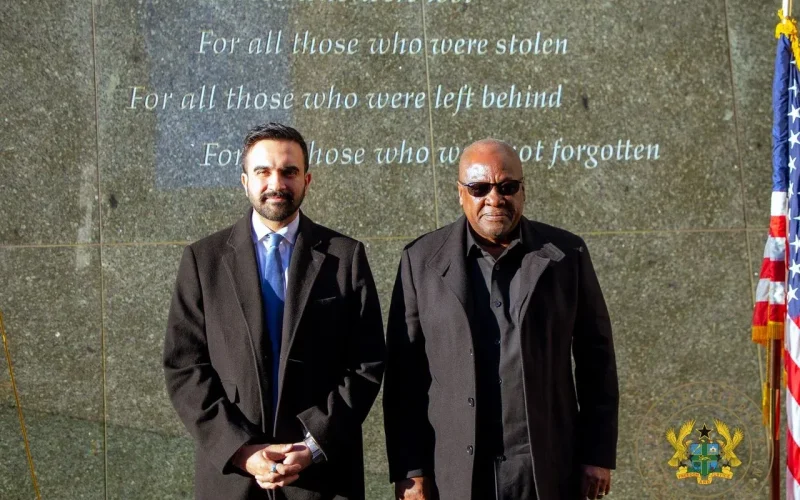
THE resolution passed by the United Nations General Assembly on 25 March 2026 seeking recognition of the transatlantic slave trade as the “gravest crime against humanity” potentially creates a broader definition of crimes against humanity in international law and allows for restitution claims against perpetrators. The resolution could elevate the legal and moral standard for what counts as the worst crimes against humanity, and compel more people to legally pursue reparations or compensation cases and thus deter such crimes. Proposed by Ghana, it was adopted with 123 votes. The United States, Israel and Argentina voted against it. Fifty-two countries abstained,…
Read More
A force forged in the crucible of African development

A force forged in the crucible of African development

IN the corridors of the , system, where ambition is plentiful but transformative action rare, Daphine Hazvibvi Muzawazi has become something of an institution in herself. Over a decade of tireless service to the continent's most consequential development architecture, she has evolved from an ambitious young technocrat into one of the AU family's most formidable — and quietly indispensable — strategic minds. Born in Zimbabwe, schooled in agribusiness at Solusi University in Bulawayo and later at the University of Pretoria, where she earned her Master of Science in Agricultural Extension and Rural Development, Muzawazi entered the development arena with a…
Read More
Returned – with dignity – to the land from which colonial butchers stole their bodies, their names and their very humanity

Returned – with dignity – to the land from which colonial butchers stole their bodies, their names and their very humanity

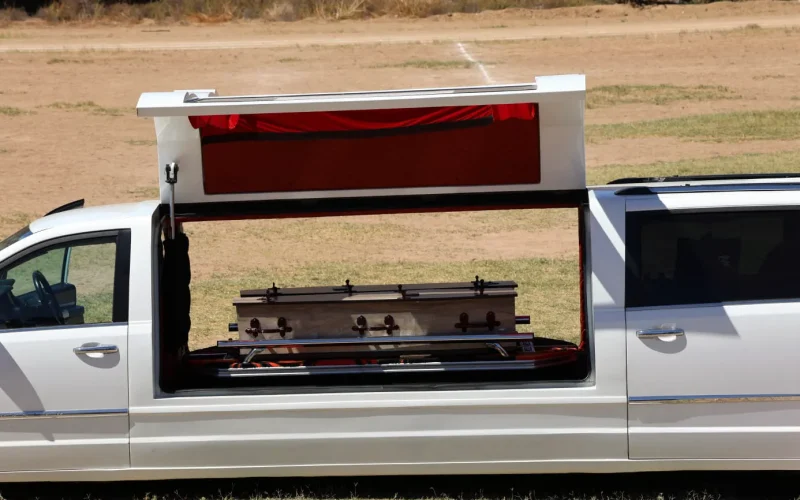
THE hills and granite-like boulders stand as sentries around the Kinderle area outside Steinkopf in the Northern Cape. The ground is sandy and loose, the shrubs are xerophytic, able to withstand the harsh environment and the heat. Below the boulders is the mass grave containing the remains of 32 Nama children killed in an intercommunal strife in the second half of the 1800s. It is a desolate area with no visible community in sight. The children’s graveyard is protected by a stone wall, stacked with no mortar, just like the Great Zimbabwe Monument outside Masvingo in Zimbabwe, and the Dzata…
Read More
“They were not slaves. They were human beings. The world must finally say so”.

“They were not slaves. They were human beings. The world must finally say so”.

TRUTH begins with language, with the power that words hold to shape consciousness, to shift perspective, to propel action. I therefore offer this truth as a starting point: There is no such thing as a slave.There were human beings who were trafficked and then enslaved by people who believed they could own those human beings as chattel, as their personal property. Some will hear this and think that I am splitting hairs.“Isn’t that the same thing?” they might ask. No. It’s not at all the same thing. Not if you acknowledge an individual’s humanity. Not if you respect an individual’s…
Read More