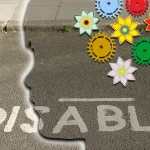

WORLDWIDE, there is growing recognition that attitudes and misconceptions among healthcare providers remain significant barriers to healthcare for people with disabilities, including those with intellectual and developmental disabilities (IDD).
These negative attitudes create substantial obstacles to accessing quality healthcare, leading to misdiagnosis, overlooked health conditions, poor communication, and unequal treatment. In celebration of Casual Day, we showed our support for the full inclusion and equity of people with disabilities. We should also pay attention to this important issue.
This year’s theme, “Beyond the Label: Embracing Unity Through Inclusion and Diversity,” encourages people – including health practitioners – to look beyond stereotypes and afford people with disabilities the humanity they deserve, rather than defining them by their disabilities.
Serving as a South African consultant, we at the Division of Disability and Rehabilitation Studies (DDRS) at Stellenbosch University, in partnership with Special Olympics South Africa (SOSA), used the Missing Billion Inclusive Health System Framework – a new tool to help policymakers assess levels of disability inclusion within country health systems.
We applied it to conduct a system-level assessment on the inclusion of people with intellectual and developmental disabilities (PWIDD) in the South African healthcare system. This formed part of a Special Olympics International (SOI) Rosemary Collaboratory Initiative. The assessment drew on the country’s laws and policies, public data, published research, and interviews with people with IDD, their families, carers, and service providers. Among other things, it examined how PWIDD are treated by health professionals.
We found similar service delivery concerns to those reported elsewhere. Our evidence shows experiences of negative attitudes as barriers to accessing healthcare. We also found that some health practitioners are uncomfortable treating PWIDD and report limited confidence in caring for them. At the heart of this problem is a lack of training available to adequately prepare health workers on how to provide care that meets the needs of PWIDD.
Our findings also show that many healthcare workers do not have adequate skills and knowledge to provide quality care to PWIDD and to address the complex health challenges they face. South Africa does not have a mandatory national training standard on IDD for medical schools, covering both medical and non-medical aspects.
Current curricula do not pay sufficient attention to disability competence as a key graduate attribute that could enable workers to provide inclusive, competent care to individuals with IDD. Where training is available, it remains inadequate to effectively prepare professionals in the treatment and management of the healthcare needs of PWIDD.
The gap, therefore, is two-pronged. First, we do not have adequate generic disability and targeted IDD training in the curriculum for healthcare workers. Second, health workers are not sufficiently exposed to PWIDD to help challenge their assumptions and prejudices.
Disability training is vital for our healthcare workers. It is the foundation for health equity for all because it not only improves the provision of care but also helps strengthen the entire health system.
Such training empowers care providers to adapt their approaches to serve all people with diverse needs. This training can be two-pronged. It can focus on disability generally while also targeting specific disability types and the related needed accommodations or care approaches.
In a 2024 study in The Lancet Public Health, Hannah Kuper and her co-authors provide 14 examples of good practice that illustrate ways in which disability inclusion can be strengthened through a dedicated focus on healthcare providers’ training.
Special Olympics International also offers training for health workers on how to work with people with intellectual disabilities. It is applicable to all healthcare professions and students.
Research has shown that boosting the confidence of healthcare workers through disability training can assist with the provision of equitable healthcare to PWIDD. Therefore, IDD-focused training must become part of all health-related education. Self-advocates with IDD and their families must be involved in co-designing such training.
Furthermore, ongoing disability competence training, as part of continuing professional development, is needed for the successful integration of practice-based programs on IDD into both academic and in-service training programs for healthcare workers. These should include opportunities for health workers to directly learn from PWIDD and their families so that they can be confident working with them.
Together with SOSA, we at the DDRS call on health systems, academic institutions, accreditation bodies, and councils to collaborate with us as we advocate for a disability-inclusive healthcare system.
More specifically, disability competence must be prioritised as a core standard of care. Health professions councils and nursing councils should require demonstrated training on disability inclusion. This will go a long way toward helping us move “beyond the label” and create a society that truly includes people with disabilities.
- Professor Ned is affiliated with the Division of Disability and Rehabilitation Studies at Stellenbosch University and serves as the South African consultant in the SOI Rosemary Collaboratory initiative. This article first appeared in the Cape Times.