SOUTH Africa is grappling with a dangerous vaccination gap that has left hundreds of thousands of children vulnerable to deadly diseases, according to new data that places the country among the world’s top 20 nations with the highest number of unvaccinated children.
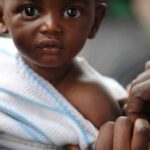
A staggering 220,000 South African children received zero vaccines in 2023, creating what health experts call “zero dose communities” where entire groups of young people remain defenceless against highly contagious diseases like measles, diphtheria, and whooping cough.
“We are witnessing entire groups of children falling through the cracks,” warns Dr. Zeina Elian, Vaccines Medical Head for Sanofi Africa. “If these children remain unvaccinated, diseases we thought were under control can, and will, return.”
The warning comes as South Africa battles active outbreaks of preventable diseases. Whooping cough cases surged in the past year, while a current diphtheria outbreak has proven particularly deadly, with a 21% fatality rate among confirmed cases.
Adults Bear Brunt of Current Outbreak
In a troubling twist, the latest National Institute for Communicable Diseases data reveals that 70% of current diphtheria cases are occurring in adults—shattering the misconception that vaccine-preventable diseases only threaten children.
“These are not just childhood diseases,” Dr. Elian emphasises. “Adults are clearly vulnerable too. Lifelong immunisation must become standard in South Africa.”
The crisis extends beyond childhood vaccinations. Influenza, often dismissed as a minor seasonal inconvenience, continues to cause serious complications requiring hospitalisation, particularly among pregnant women, elderly individuals, and those with chronic conditions.
Misinformation Fuels Health Emergency
Healthcare experts point to vaccine hesitancy and widespread misinformation as key drivers of the crisis. False information spreads rapidly through communities, undermining decades of public health progress and eroding the herd immunity that protects society’s most vulnerable members.
“False information spreads faster than facts,” Dr. Elian notes. “Rebuilding trust in vaccines is crucial, not just to protect individuals, but to protect entire communities through herd immunity.”
When vaccination rates drop below critical thresholds, diseases can spread rapidly through populations, particularly threatening infants, elderly individuals, and immunocompromised people who cannot receive certain vaccines themselves.
Economic Impact Compounds Health Costs
While South Africa provides routine childhood vaccines free through public clinics, indirect barriers, including transportation costs and time away from work, continue to prevent access. However, the economic toll of preventable illness far exceeds vaccination costs.
“Missing a day of work to vaccinate a child may feel like a loss, but missing five days to care for a sick child is far worse,” Dr. Elian explains. “At a national level, low vaccination coverage fuels more frequent and severe outbreaks, forcing costly catch-up campaigns and placing added strain on already stretched health systems.”
Healthcare Providers on Front Lines
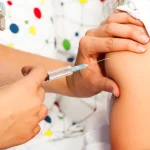
The crisis has placed healthcare workers in a critical position to identify and address vaccination gaps. Medical professionals are being called upon to check vaccination status at every patient encounter, recommend appropriate immunisations, and combat misinformation with evidence-based guidance.
Healthcare providers must create supportive environments where patients feel comfortable discussing vaccination concerns and catching up on missed doses, experts say.
Life-Course Vaccination Strategy Needed
Public health officials are advocating for a fundamental shift in how South Africans view vaccination—from a childhood milestone to a lifelong health strategy that adapts to changing vulnerability throughout life stages.
Critical vaccination points include:
- Pregnant women: Influenza and whooping cough vaccines to protect mothers and newborns
- Adolescents: HPV vaccines and tetanus-diphtheria-pertussis boosters
- Young adults: Meningococcal vaccines for students and military personnel
- Adults: Pertussis boosters every 5-10 years, especially for those with asthma or COPD
- Older adults: Annual influenza vaccines and pneumococcal vaccines
Urgent Call to Action
With preventable diseases actively circulating in communities, health experts are urging immediate action from individuals, families, and healthcare systems.
“Every visit to the clinic or doctor is an opportunity to ask, ‘What vaccines do I need?’” Dr. Elian advises. “That one question could prevent serious illness or even death.”
Parents are encouraged to review their children’s Road to Health booklets before school entry, while adults should discuss their vaccination status with healthcare providers during routine appointments.
The Stakes Are Clear
Since 1974, Africa’s Expanded Programme on Immunisation has saved more than 50 million lives. However, South Africa’s current vaccination crisis threatens to reverse decades of progress unless swift action is taken.
“Vaccines save lives. They prevent suffering and they protect the people around us,” Dr. Elian concludes. “But only if we use them.”
As preventable disease outbreaks continue to spread, the message from health experts is unambiguous: South Africa’s vaccination gap represents both an immediate public health emergency and a test of the nation’s commitment to protecting its most vulnerable citizens.