
SOUTH Africa’s post-apartheid economic transformation framework faces its gravest threat in decades as the government considers exempting Elon Musk’s Starlink from laws requiring 30% black ownership of foreign companies operating in the country.
The draft policy announced by Communications Minister Solly Malatsi would allow Starlink and other foreign telecom firms to fulfil Black Economic Empowerment (BEE) obligations through alternative investments rather than ceding equity to historically disadvantaged South Africans. The move represents a dramatic departure from policies that have anchored the country’s efforts to address apartheid’s economic legacy for over two decades.
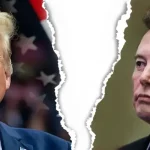
The proposed exemption comes after months of public attacks by Musk, who has branded South Africa’s empowerment laws “openly racist” and claimed Starlink is barred from the country because he is “not black.” The billionaire’s criticism has been amplified by U.S. President Donald Trump, creating diplomatic pressure on the Ramaphosa administration following tense talks in Washington.
“This is the most significant challenge to BEE since its inception,” said a senior ANC official who requested anonymity. “We’re essentially being asked to dismantle our transformation agenda for one billionaire’s convenience.”
The controversy extends far beyond internet access. BEE laws have been the cornerstone of South Africa’s efforts to create black-owned businesses and redistribute economic power after centuries of exclusion. The legislation requires foreign companies to transfer meaningful ownership stakes to black South Africans, not merely make charitable investments.
Critics warn that creating “equity equivalent investment programmes” as alternatives would hollow out the policy’s core purpose. Unlike ownership transfers that create lasting wealth for black entrepreneurs, infrastructure investments provide temporary benefits without structural change to the economy’s racial ownership patterns.
“If we allow companies to buy their way out of genuine transformation through feel-good projects, we might as well scrap BEE entirely,” said Parliament’s communications committee chair, who has opposed any special dispensation for Starlink.
Legal experts warn the exemption could trigger an avalanche of similar requests from multinational corporations seeking to avoid ownership requirements across all sectors of the economy. Mining companies, banks, and retailers could argue they deserve the same treatment, potentially unravelling three decades of empowerment policy.
“This sets an extremely dangerous precedent,” said a constitutional law professor at the University of Cape Town. “If foreign pressure can override our domestic transformation laws, what’s to stop every multinational from demanding the same treatment?”
Government Under Fire
The policy shift has exposed deep divisions within the ruling African National Congress, with several senior figures publicly questioning the wisdom of accommodating Musk’s demands. The timing appears particularly sensitive given ongoing tensions with the United States over South Africa’s foreign policy positions.
Minister Malatsi defended the proposal as necessary to attract foreign investment and expand internet access in underserved communities. He argued the new framework would “harmonise legislation, boost competition, and accelerate universal internet access” while maintaining empowerment objectives through alternative means.
However, government sources acknowledge the policy was developed under intense U.S. diplomatic pressure following Trump’s threats of trade repercussions and his amplification of disputed claims about violence against white farmers.
Battle for Economic Transformation
The 30-day public comment period now underway will likely become a referendum on South Africa’s commitment to economic transformation. Labour unions, black business organisations, and civil society groups are mobilising opposition to what they view as capitulation to foreign pressure.
“We fought too hard for economic freedom to give it away now,” said the head of a major black business association. “This isn’t about internet access – it’s about whether South Africa will maintain its sovereignty over its own economic policies.”
The outcome will determine whether South Africa’s signature post-apartheid policy can withstand pressure from global tech billionaires and their political allies, or whether the country’s transformation agenda will be sacrificed on the altar of foreign investment and diplomatic convenience.
Starlink has not yet formally applied for a South African operating license, according to the telecommunications regulator Icasa. But the mere prospect of an exemption has already ignited the fiercest debate over BEE policy since its implementation, with the country’s economic future hanging in the balance.