TANZANIAN authorities have announced the arrest of a dual Kenyan-U.S. citizen at the Sirari border crossing on November 16, claiming the individual – identified as Charles Onkuri Ongeta, allegedly a 30-year-old U.S. Army sergeant – was found carrying four CS M68 hand grenades. However, neither U.S. nor Kenyan officials have confirmed the soldier’s identity or the circumstances of the arrest, raising significant questions about the timing and credibility of Tanzania’s claims.
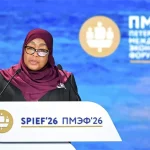
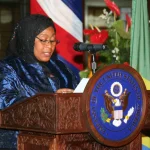
The detention comes at a critical moment for President Samia Suluhu Hassan’s government, which faces intensifying international scrutiny over its violent suppression of protests following Tanzania’s disputed October 29 presidential election. Thousands of unarmed civilians were reportedly killed in what critics have termed the #TanzaniaMassacre, with allegations of systematic kidnappings, extrajudicial killings, and witness intimidation designed to silence dissent.
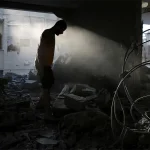
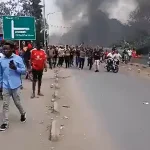
The current crisis stems from widespread allegations that Tanzania’s October election was marred by fraud and irregularities. When citizens took to the streets to protest what many viewed as a stolen democracy, security forces responded with brutal force. Independent reports suggest a massacre of peaceful protesters, though the government has provided no transparent accounting of casualties or acknowledged responsibility for the violence.
Instead, the Samia administration has faced accusations of orchestrating a cover-up, including alleged disappearances of witnesses and opposition figures who could challenge the official narrative. The government’s pattern of deflecting blame and suppressing criticism has become a defining feature of the post-election period.
The announcement of Ongeta’s arrest – just days after Kenya revealed it had secured the release of eight Kenyans previously detained in Tanzania – has prompted speculation about political motivations. Critics note several troubling aspects of the case:
- No independent verification: Tanzanian authorities have released no photographic or video evidence of the alleged explosives or the arrest itself.
- No official confirmation: Neither the U.S. Department of Defence, the U.S. Embassy in Dar es Salaam, nor Kenya’s Ministry of Foreign Affairs has verified the individual’s identity or military status.
- Lack of transparency: Tanzania’s stated commitment to border security stands in stark contrast to its refusal to provide transparency about the post-election violence or cooperate with independent investigations into alleged atrocities.
Pattern of Deflection
Human rights observers suggest the high-profile arrest fits a pattern of the Tanzanian government attempting to shift focus from its own actions. Rather than addressing calls for accountability over the alleged massacre of protesters, authorities appear to be constructing alternative narratives that cast external actors—in this case, a foreign soldier—as security threats.
Tanzania’s police have emphasised that possession of such explosives is illegal “regardless of permission sought,” yet have offered no clarity on the alleged purpose of the grenades or any evidence linking Ongeta to plans for violence. The absence of motive, context, or corroborating evidence has heightened suspicions that the arrest may serve domestic political purposes rather than legitimate security concerns.
The incident threatens to destabilise relations between Tanzania, Kenya, and potentially the United States at a moment when regional cooperation is essential. Kenya is under pressure to demand transparency and protect its nationals’ rights in Tanzania, while diplomatic sources indicate Washington is closely monitoring the situation.
The case also highlights the broader fragility of East Africa’s political landscape, where contested elections, human rights abuses, and state narratives designed to suppress dissent create a volatile environment. Tanzania’s actions suggest a government more concerned with managing its international image than with addressing the underlying crisis: citizens’ belief that their democratic voice has been silenced through violence.
Unanswered Questions
As investigations ostensibly continue, critical questions remain unresolved:
- Why has Tanzania provided no evidence to support its explosive allegations?
- Why have neither the U.S. nor the Kenyan authorities confirmed the identity of the detained individual?
- How does this arrest serve Tanzania’s security interests, versus its political interests in deflecting criticism?
- What accountability will Tanzania face for the alleged post-election massacre?
Until independent verification emerges, the arrest appears to be yet another chapter in Tanzania’s troubled post-election period – one where the government’s priority remains controlling the narrative rather than confronting the reality of violence against its own citizens who dared to protest for democracy.