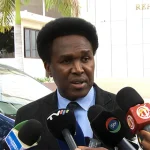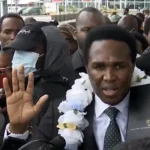

IN the heart of a burning nation, Venâncio Mondlane dreams of a weaponless flag. The opposition leader’s voice carries across social media from his exile, painting visions of a transformed Mozambique even as smoke rises from its streets. His confidence seems to grow inverse to the stability of his homeland, where nearly 300 souls have already been claimed by the post-election tempest he helped ignite.
The Constitutional Court has spoken, declaring Daniel Chapo the victor with 65% of the vote, but Mondlane, securing just 24%, sees a different future through the tear gas. From his distant sanctuary, he orchestrates a revolution that begins with symbols: the AK-47 must vanish from the national flag by January 10th, he declares, as if erasing the weapon from cloth might wash away decades of conflict from memory.
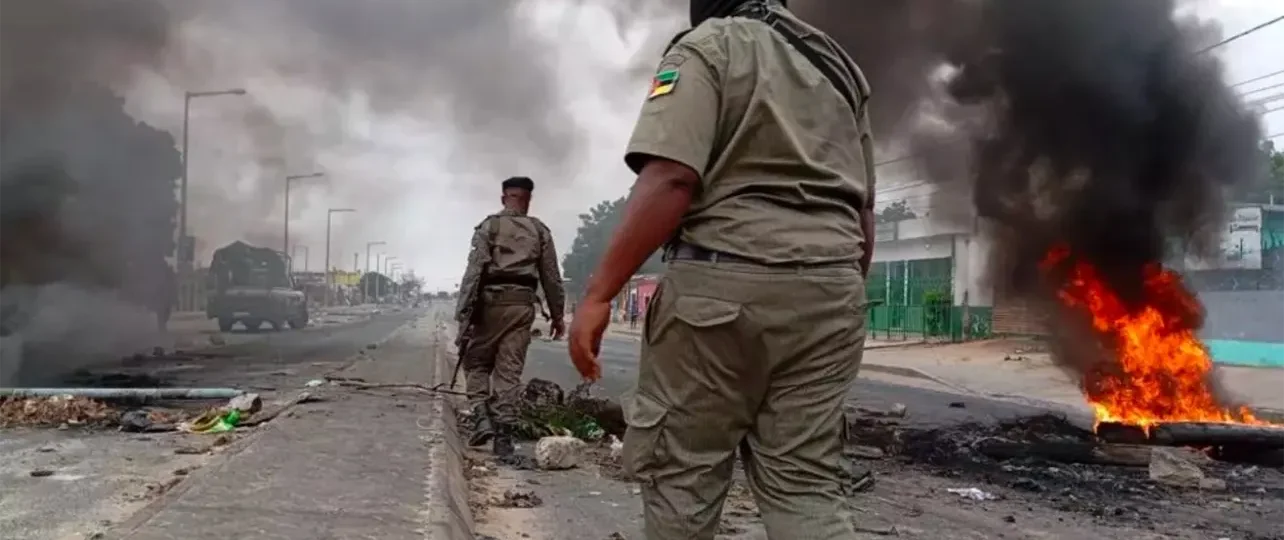
“A flag represents the spirit of a people,” he proclaims to his digital audience, his words echoing through Facebook Live streams while barricades burn in Maputo. “If there is a weapon on the flag, it means our mentality is still armed.” The irony of his peaceful symbolism is lost in the chaos of streets where his supporters clash with police, where the death toll rises daily, and where the sound of gunfire drowns out calls for reform.
His ambitions stretch beyond mere fabric and thread. By January 15th, he envisions a new constitution rising from the ashes of the old order. Street names honouring communist leaders would fall away like autumn leaves, replaced by homegrown heroes: Samora Machel, the rapper Azagaia, the activist Alice Mabota, the opposition figure Afonso Dhlakama – a pantheon of Mozambican history chosen not by distant bureaucrats but by the people themselves.
The neighbouring nations watch with growing alarm. South African envoys hurry through diplomatic channels, seeking to douse the flames before they spread beyond borders. Meanwhile, Mondlane speaks of a “five-day tolerance” period for international observers to document alleged police brutality, his words carrying the weight of someone who believes victory is inevitable, regardless of electoral mathematics.
Former presidents from Southern African nations hover at the edges of this conflagration, offering to mediate. But Mondlane’s confidence remains unshaken, even as the Decide electoral platform counts the mounting cost: 277 lives lost since October 21st, half of them falling after Monday’s final verdict. He speaks of suspended institutions and people choosing their “true leaders,” his vision of democracy rising phoenix-like from the current chaos.
In the streets of Mozambique, his supporters continue their dance with destruction, while he broadcasts his dreams of transformation from afar. The weapon may still rest on the flag, but its shadow stretches across a nation teetering between revolution and ruin, between Mondlane’s promised dawn and the darkness of civil strife. As international observers rush to document the unfolding tragedy, Mondlane’s voice continues to echo through social media, painting pictures of a future that seems increasingly distant with each passing day of violence.