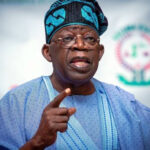
PRESIDENT Bola Ahmed Tinubu of Nigeria has granted a posthumous pardon to Ken Saro-Wiwa and eight other members of the Ogoni Nine, nearly 30 years after their execution by Nigeria’s military regime sparked international condemnation and led to the country’s suspension from the Commonwealth.
The historic clemency, announced following a Council of State meeting in Abuja, extends to all nine Ogoni environmental activists hanged in November 1995 under the regime of General Sani Abacha. The executions drew global outrage and thrust Nigeria into diplomatic isolation.
Alongside Saro-Wiwa, the renowned writer and environmental campaigner, the pardon covers Baribor Bera, Saturday Dobee, Nordu Eawo, Daniel Gbooko, Paul Levera, Felix Nuate, Barinem Kiobel, and John Kpuine. All were convicted by a military tribunal that human rights groups condemned as fundamentally flawed.
The clemency also extended to Herbert Macaulay, the nationalist who founded Nigeria’s first political party, and Major General Mamman Vatsa, a poet and soldier executed for alleged treason in 1986.

In total, Tinubu granted clemency to 175 Nigerians, including 82 inmates receiving full pardons and 65 whose sentences were reduced. Seven prisoners had death sentences commuted to life imprisonment.
Among those pardoned was Farouk Lawan, a former House of Representatives member, and Nweke Francis Chibueze, a drug offender serving a life sentence. Dr Nwogu Peters, convicted of fraud, was released after serving 12 years of a 17-year sentence.
The Tinubu administration also conferred national honours on 959 Nigerians and foreigners for distinguished service, including four Ogoni leaders known as the Ogoni Four: Albert Badey, Edward Kobani, Samuel Orage, and Theophilus Orage.
The pardons were based on recommendations by the Presidential Advisory Committee on Prerogative of Mercy and ratified by the Council of State. The administration described the move as aimed at addressing historical injustices, promoting national healing, and decongesting prisons.
For Tinubu, the decision represents a bold confrontation with Nigeria’s authoritarian past and signals a commitment to reconciliation nearly four decades after military rule. Observers have hailed it as a pivotal moment in the nation’s efforts to reckon with state-sponsored violence and restore human dignity to victims of political persecution.