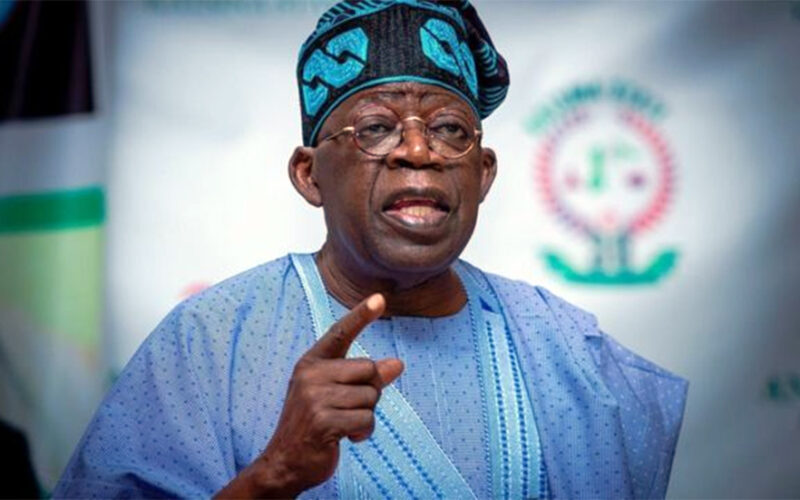
THE rejection by the Ogoni people of President Bola Tinubu’s posthumous pardon for the “Ogoni Nine” represents a profound frustration that echoes the same international outrage that erupted nearly three decades ago when Ken Saro-Wiwa and his eight fellow activists were executed.
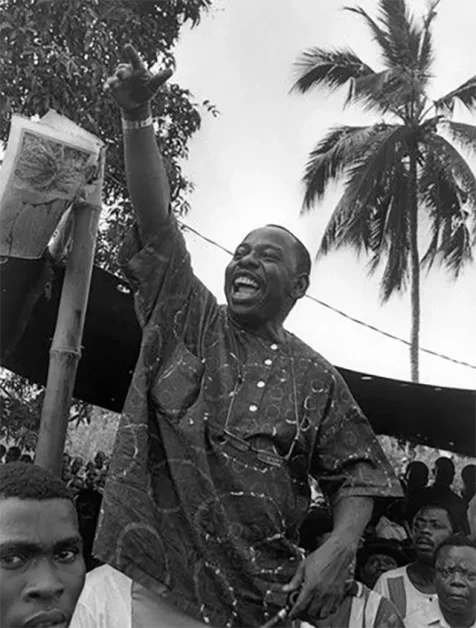
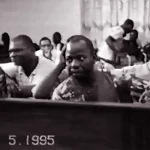
The executions on November 10, 1995, provoked international outrage and resulted in Nigeria’s suspension from the Commonwealth of Nations for more than three years. The executions provoked international condemnation and led to the increasing treatment of Nigeria as a pariah state until military dictator General Sani Abacha’s death in 1998. The global response was swift and comprehensive: mass protests at global Shell offices, and the cancellation of the International Finance Corporation’s proposed 100 million dollars for Nigerian projects followed.
The activists had been arrested and held for months without charges, tortured while under detention, and sentenced to death by a “Special Tribunal” convened in violation of international law. The international community recognised what an observer called proceedings that were “not merely wrong, illogical or perverse” but fundamentally unjust. Amnesty International considered Ken Saro-Wiwa and Barinem Kiobel Prisoners of Conscience, detained and ultimately killed for their peacefully held views.
Now, thirty years later, the Ogoni people’s rejection of the pardon reflects the same principles that drove international condemnation in 1995. As Celestine Akpobari of the Ogoni Solidarity Forum stated: “You cannot pardon someone who has not committed an offence; we are demanding total exoneration.” This echoes Amnesty International’s current position that “The Nigerian government must formally recognise that they are innocent of any crime and fully exonerate them”.
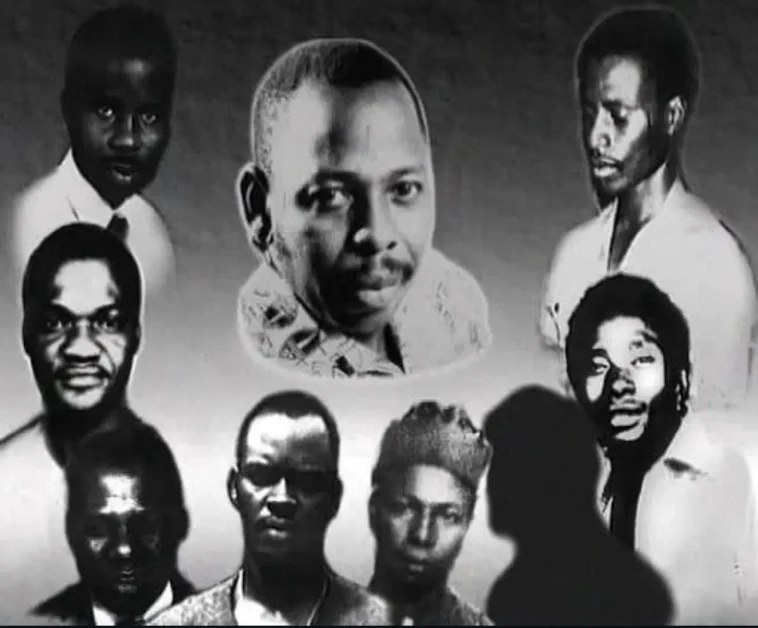
The continuing environmental devastation in Ogoniland adds another layer to the injustice. Despite Shell halting operations in the early 1990s and later selling its assets, the pollution remains unaddressed. Environmental activist Alagao Morris captured the frustration: “The pollution that ought to be addressed has not been addressed,” suggesting the pardon appears to be an attempt to mollify the Ogoni people while their fundamental grievances remain unresolved.
The rejection underscores that for the Ogoni people, justice cannot be achieved through presidential pardons for crimes they maintain were never committed. They seek what the international community demanded in 1995: recognition that the executions were fundamentally unjust acts by a military dictatorship against environmental and human rights defenders who were fighting for their people’s survival against corporate exploitation and environmental destruction.
The parallel between the international shock of 1995 and today’s rejection reveals that the core issues remain unresolved: environmental justice, corporate accountability, and the Nigerian government’s treatment of the Ogoni people’s legitimate grievances about oil extraction’s devastating impact on their homeland.