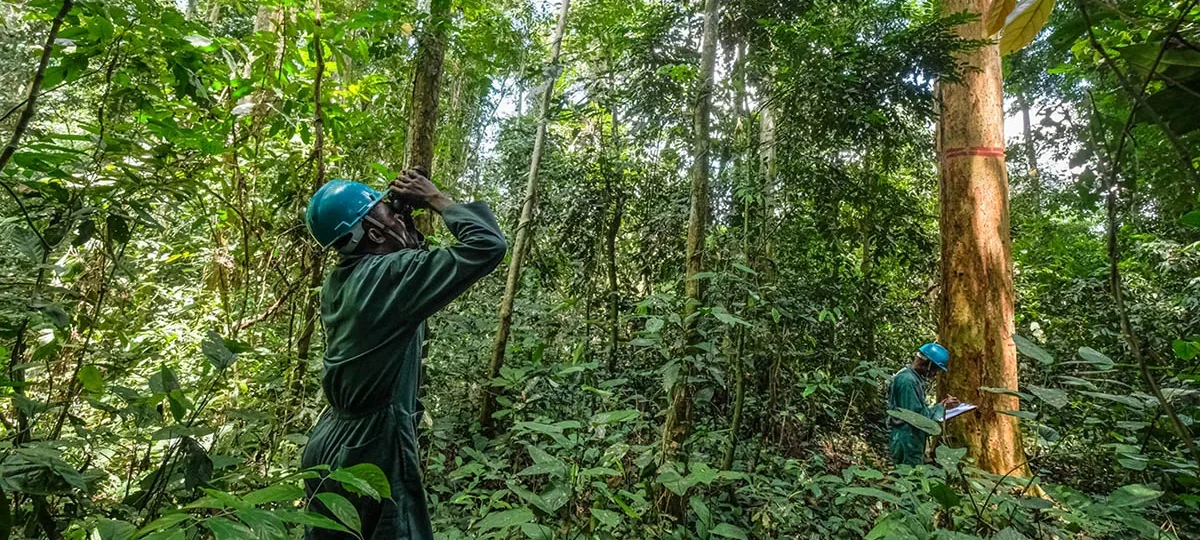

SCIENTISTS, policymakers and development partners have called for greater investment in Africa-led research and innovation, warning that efforts to protect the Congo Basin and surrounding Central African forest ecosystems will fall short unless African institutions play a leading role in generating the knowledge needed to manage them sustainably.
The experts said the Congo Basin is vital for the continent’s biodiversity, climate resilience, and sustainable development, and that safeguarding it is critical.
The call was made during a high-level session on advancing Africa-led research for the sustainable management of Central African forests, which was organised by Landscape Alliance (formerly known as CIFOR-ICRAF) through its European Union (EU)-funded RESSAC programme (Applied Research in Ecology and Social Sciences in support of Sustainable Management of Forest Ecosystems in Central Africa) earlier this month.
The event brought together researchers, project leaders, postdoctoral fellows, European Union representatives, development partners, and private-sector actors to reflect on the future of forest governance, scientific cooperation, and sustainable development in Central Africa.
The discussions came at a time when the region continues to face growing environmental and socio-economic pressures that threaten forest ecosystems and the communities that depend on them.
The Congo Basin is home to the world’s second-largest tropical rainforest after the Amazon. Spanning Cameroon, the Central African Republic, the Democratic Republic of Congo, the Republic of Congo, Equatorial Guinea
and Gabon, the basin is one of Africa’s most important natural assets. It stores vast amounts of carbon, supports exceptional biodiversity and sustains the livelihoods of more than 100 million people. Beyond the region, its forests help regulate the continent’s climate, making their protection important for Africa’s environmental and economic future.
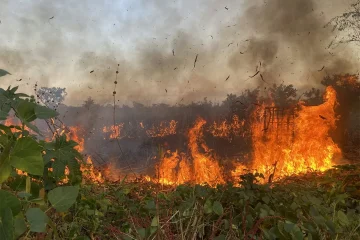
Yet, these ecosystems are increasingly threatened by deforestation, land degradation, unsustainable resource use and the impacts of climate change. Participants said these challenges highlight the need for stronger science-based solutions and greater local leadership in research.
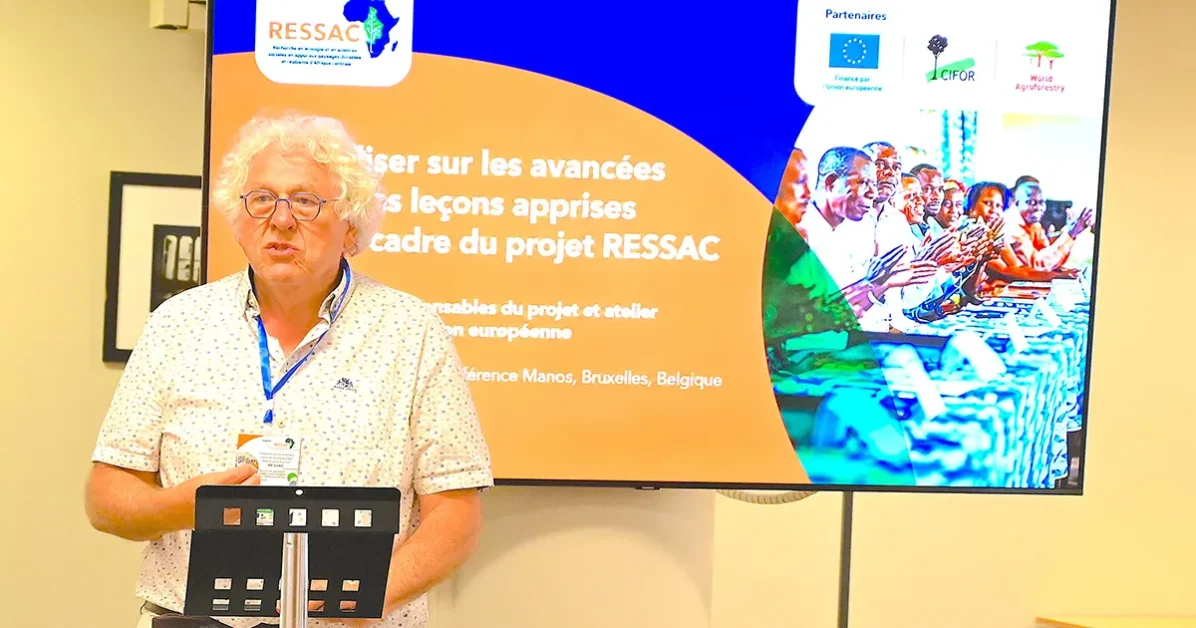
“Building on the science, research and knowledge generated over the years will be essential to supporting the sustainable management of Central Africa’s forest ecosystems and ensuring that research continues to inform action on the ground,” said Philippe Mayaux, a forestry expert and former Team Leader at the Directorate-General for International Partnerships of the European Commission.
Over the years, he coordinated and supported several European Union-funded initiatives that promoted local research, knowledge generation and participation in the sustainable management of the Congo Basin and other forest ecosystems across Central Africa
Participants stressed that strengthening African scientific leadership will be essential to developing solutions that reflect local realities and respond effectively to the region’s increasingly complex environmental challenges. They also called for funding approaches that place African institutions at the centre of research design, implementation and leadership.
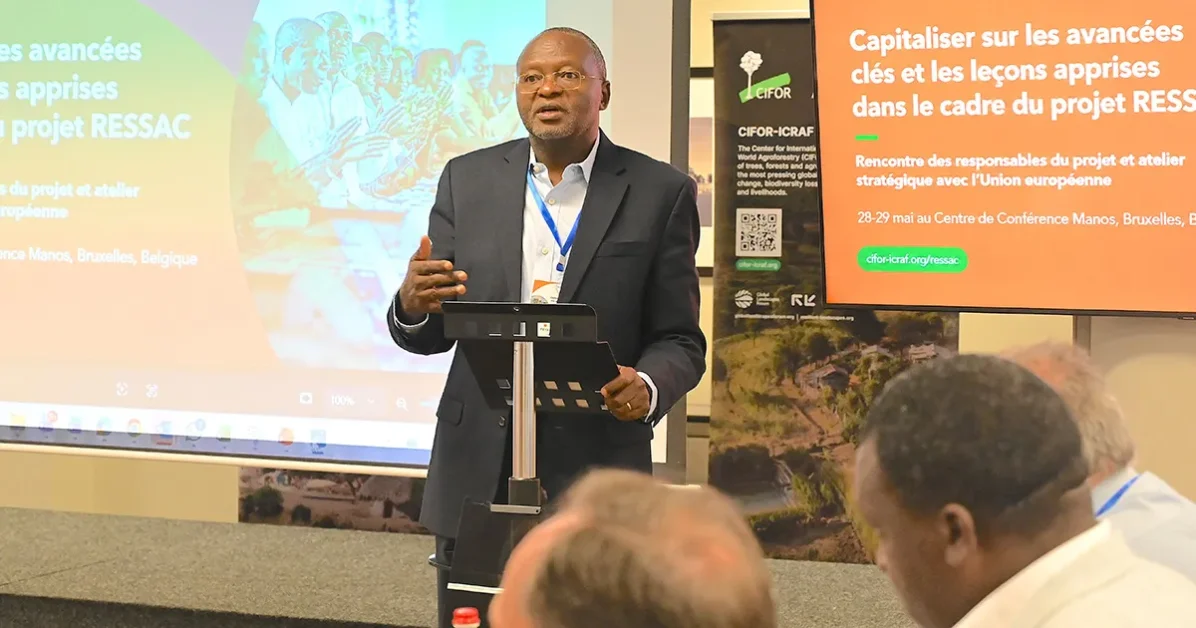
“Protecting the Congo Basin is not only a Central African priority; it is an African priority. These forests are vital to the continent’s climate resilience, biodiversity and sustainable development. Investing in African research ensures we generate the knowledge and solutions needed to secure this globally important ecosystem for future generations,” said Peter Minang, Africa Director for Landscape Alliance.
Discussions at the event also highlighted the contribution of initiatives such as the RESSAC programme in helping bridge the gap between science, policy and practice.
Rather than supporting isolated research projects, RESSAC has adopted a consortium-based collaborative model that brings together Central African scientific institutions, European research partners and organisations working directly on natural resource management. By combining scientific expertise with field experience, the programme helps ensure that research addresses real-world challenges and generates evidence that can inform policy and decision-making.
Through this approach, universities, research centres and technical organisations across Central Africa have worked together to generate scientific knowledge on forest governance, biodiversity conservation, climate resilience and sustainable land management. The partnerships have also strengthened regional scientific collaboration, enabling researchers to exchange knowledge, share data, communicate research results and jointly address environmental challenges that extend across national borders.
“Forests do not recognise political boundaries. The solutions we develop must therefore be built through regional collaboration, shared knowledge and long-term partnerships,” said Richard Sufo, RESSAC Programme Lead at Landscape Alliance.
Speakers also highlighted the programme’s contribution to developing the next generation of African scientists through training, mentorship and opportunities for early-career researchers to participate in applied research and regional scientific networks.
Participants emphasised the importance of investing in scientific capacity and strengthening collaboration across institutions to advance innovation, improve data sharing and support evidence-based decision-making.
A recurring theme throughout the session was the need to strengthen links between science, policy and implementation. Participants noted that scientific evidence must play a greater role in shaping national and regional policies on forest governance, biodiversity conservation, climate adaptation and sustainable development.
They also called for stronger mechanisms to help researchers, policymakers, communities and the private sector work together to translate scientific findings into practical and scalable solutions.
Private sector representatives highlighted how research partnerships can support responsible investment, sustainable value chains and environmental stewardship while creating economic opportunities for forest-dependent communities. Participants agreed that closer collaboration between science and industry will be important for promoting sustainable land use and building resilient green economies across the region.
As global attention increasingly focuses on the role of the Congo Basin in addressing climate change and biodiversity loss, participants concluded that safeguarding these forests will require more than conservation. It will depend on sustained investment in African scientific leadership, strong partnerships and locally led research capable of delivering solutions for one of the continent’s most important ecosystems.