Our website use cookies to improve and personalize your experience and to display advertisements (if any). Our website may also include cookies from third parties like Google Adsense, Google Analytics, and Youtube. By using the website, you consent to the use of cookies.

African leaders endorse landmark development initiatives at AU Summit

African leaders endorse landmark development initiatives at AU Summit

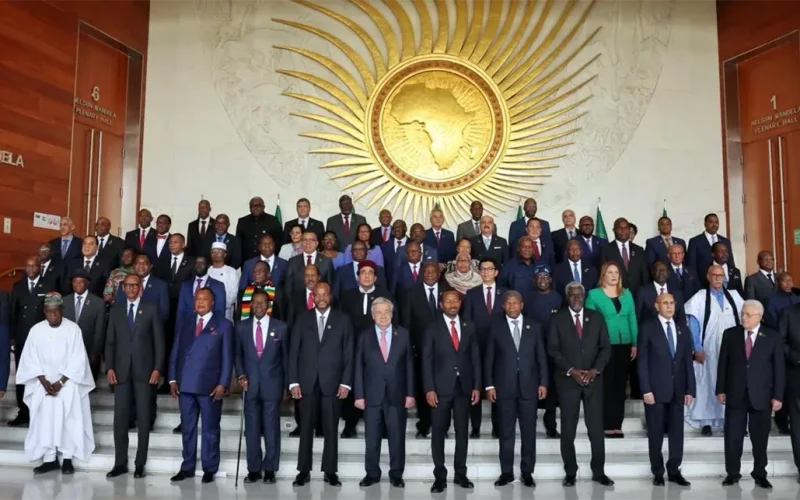
IN a watershed moment for African development, the 38th African Union Summit has endorsed four groundbreaking initiatives led by the African Development Bank (AfDB), marking a decisive push toward continental transformation. The endorsements came during AfDB President Dr. Akinwumi Adesina's final address to the Summit, as he prepares to conclude his tenure in September 2025. At the heart of these initiatives is an ambitious drive to connect 300 million Africans to electricity by 2030. This target gained significant momentum at January's Africa Energy Summit in Tanzania, where 48 nations signed the Dar Es Salaam Declaration. The commitment has already secured…
Read More
The battle for slavery reparations: Africa’s quest for historical justice

The battle for slavery reparations: Africa’s quest for historical justice

IN the heart of Addis Ababa, where the legacy of colonialism still echoes through bustling streets and modern high-rises, African leaders are gathering to wage a different kind of liberation struggle. This time, their weapons are not rifles and resistance songs, but economic data, historical records, and moral arguments that cut to the very core of global inequality. The African Union summit represents a watershed moment in the continent's decades-long fight for recognition of historical wrongs. In conference rooms where the air is thick with both hope and scepticism, leaders are crafting a unified vision of justice that spans centuries…
Read More
Peace in Sudan: a fresh mediation effort is needed – how it could work

Peace in Sudan: a fresh mediation effort is needed – how it could work

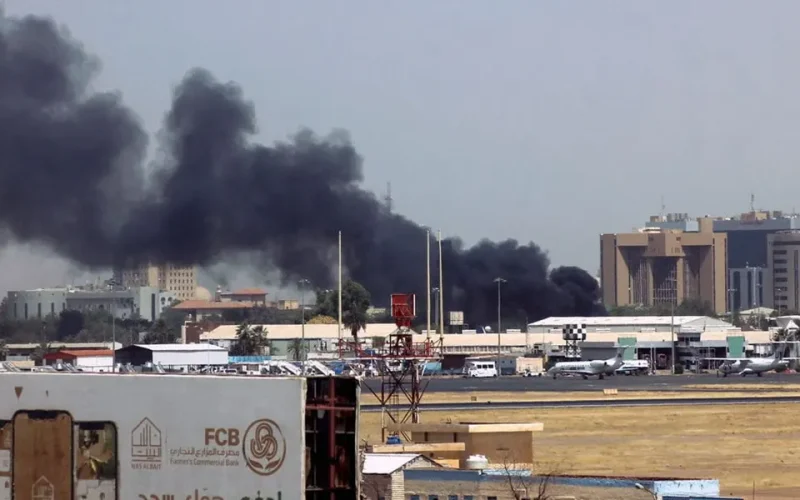
INTENSE fighting has ravaged Sudan since 15 April 2023. The war between the Sudanese Armed Forces and its erstwhile comrades-in-arms, the paramilitary Rapid Support Forces, has created one of the worst humanitarian crises in the world. Famine, displacement and mass atrocities are wreaking havoc in the country. International mediation efforts have been lacklustre and fruitless. The United Nations Security Council has been preoccupied with other crises and blocked by its own divisions. The African Union has created diplomatic groups, a high-level panel and a presidential committee, none of which has been particularly active. It has been very slow in tackling…
Read More
African countries need more PhD graduates but students are held back by a lack of money and support

African countries need more PhD graduates but students are held back by a lack of money and support

OVER the past 15 years there’s been an increasing demand from within and outside the higher education sector for African countries to produce more PhD graduates. For this to happen, it’s important to know what’s holding people back from pursuing or completing their doctoral degrees. The authors of a new review article did just that, with a focus on South Africa, Kenya, Ethiopia, Uganda and Nigeria. Five themes emerged from their work: PhD candidates’ sociodemographic profiles, access to funding, the availability of resources and training, experiences with PhD supervisors, and personal coping mechanisms. The Conversation Africa spoke with the paper’s…
Read More
Peacekeeping armies: what are they, why do African states build them and what impact do they have?

Peacekeeping armies: what are they, why do African states build them and what impact do they have?

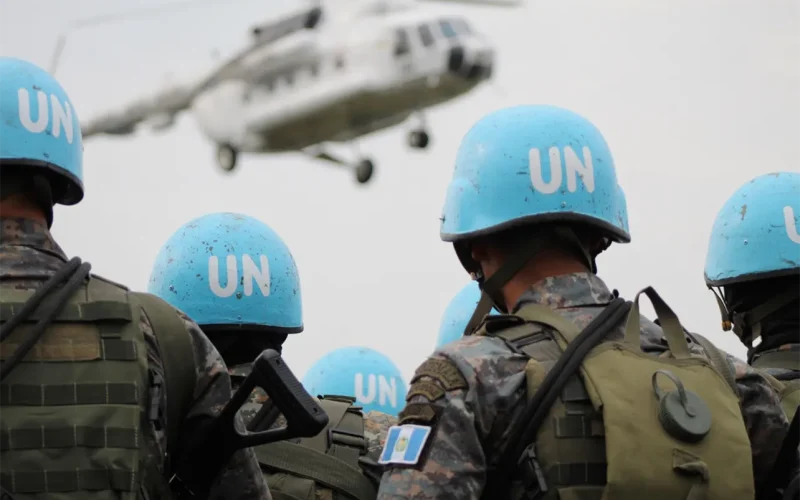
SINCE 1948, more than two million uniformed peacekeepers have served in over 70 United Nations (UN) peacekeeping missions. They have come from over 120 UN member states. But a few countries have regularly contributed a significant proportion of their troops. They have also made peacekeeping a foreign policy priority, and have adapted their own armed forces to fit UN requirements. These states have developed what we call “peacekeeping armies”. Since the end of the Cold War, the vast majority of these peacekeepers have been deployed in Africa, many of them by African countries. Today, 11 of the 20 countries that…
Read More
African Union to get a new chair: 6 key tasks they must tackle

African Union to get a new chair: 6 key tasks they must tackle

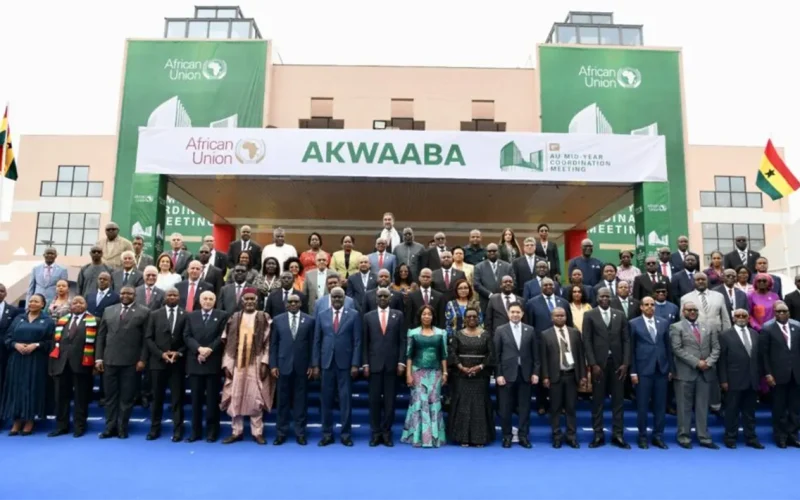
THE African Union (AU) member states will elect a new senior leadership of the AU Commission in February 2025. The commission was originally conceived as the secretariat of the AU. Over the years it has become the driving force behind the pan-African project. The positions of AU Commission chairperson and deputy, as well as most of the six AU commissioners, are contested. The position of chair rotates between the five African regions; this will be east Africa’s turn. There are four candidates, all male. North Africa will put forward candidates for the deputy chairperson. According to the statutes of the…
Read More
Zimbabwe scraps the death penalty – tracking the path to abolition

Zimbabwe scraps the death penalty – tracking the path to abolition

ZIMBABWE hasn’t executed anyone who was sentenced to death since 2005. With the passing of the Death Penalty Abolition Act 2024 on 31 December, Zimbabwe has become the 127th country in the world to end the death penalty. This process began with the introduction to parliament of an opposition private member’s bill led by Edwin Mushoriwa, though some amendments were made by the government. Other countries, too, have been moving away from the death penalty. In Africa, only seven of the 55 states in the African Union are “actively retentionist”, meaning that they sentence people to death and have carried…
Read More
The African Union has a poor record of protecting democracy. 2024 was no different

The African Union has a poor record of protecting democracy. 2024 was no different

THE chairperson of the African Union Commission, Moussa Faki Mahamat, has congratulated the military-led government of Gabon on a successful constitutional referendum. General Brice Oligui Nguema came to power through a coup d’etat in 2023. The new constitution is expected to provide the basis for the conduct of elections that will replace the military government with an elected one in 2025. Faki’s statement was notable for its omission. Under existing African Union frameworks on unconstitutional changes of government, coup leaders are not allowed to run in the elections marking the formal end of governments installed by coups. This is so…
Read More
Africa’s landmark Kampala Convention: 15 years of protecting the displaced

Africa’s landmark Kampala Convention: 15 years of protecting the displaced

IN the heart of Africa, a beacon of hope shines bright on this momentous day. Fifteen years ago, the African Union crafted a revolutionary shield for those most vulnerable - the internally displaced persons (IDPs) who have been torn from their homes by conflict, disaster, and climate upheaval. "The Kampala Convention represents more than a treaty," declares Ruven Menikdiwela, UNHCR Assistant High Commissioner for Protection, his voice resonating with passion. "It is a testament to Africa's profound commitment to human dignity. When millions are uprooted, scattered like seeds in a storm, this Convention stands as their collective promise of protection…
Read More
How e-Visas are advancing Africa’s vision of free movement and borderless trade

How e-Visas are advancing Africa’s vision of free movement and borderless trade

MORE African countries are banking on e-visas to streamline cross-border travel processes and boost regional connectivity, according to the 2024 Visa Openness Index. The index is an annual ranking measuring the extent to which each country in Africa is open to visitors from other African countries. It is prepared collaboratively by the African Development Bank Group and the African Union. The number of countries offering e-visas has risen from 9 in 2016 to 26 in the latest edition. According to experts, this growing trend can break cross-border barriers by simplifying travel processes and thus can support economic growth under frameworks…
Read More