IN the heart of Addis Ababa, where the legacy of colonialism still echoes through bustling streets and modern high-rises, African leaders are gathering to wage a different kind of liberation struggle. This time, their weapons are not rifles and resistance songs, but economic data, historical records, and moral arguments that cut to the very core of global inequality.
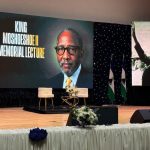
The African Union summit represents a watershed moment in the continent’s decades-long fight for recognition of historical wrongs. In conference rooms where the air is thick with both hope and scepticism, leaders are crafting a unified vision of justice that spans centuries – from the holds of slave ships to the gleaming skyscrapers of modern African capitals.
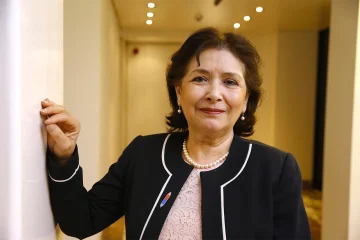
“The West should never have engaged in this trade,” declares Professor Rhoda E. Howard-Hassmann, her words cutting through the diplomatic niceties that often shroud discussions of slavery and colonialism. Her stark assessment lays bare the moral debt that hangs over the relationship between Africa and its former colonisers – a debt that cannot be measured merely in dollars and cents.
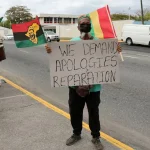
But this is not just a story of the past. In the marble halls of power across Europe and America, resistance to these calls for justice takes on many forms. French President Emmanuel Macron speaks of “reconciliation” – a word that falls flat in the ears of those seeking tangible acknowledgement of historical crimes. In Portugal, the mere suggestion of reparations ignites political firestorms, with far-right politicians wielding accusations of treason against those who dare to speak of historical accountability.
The battle lines are drawn not just between nations, but between competing visions of justice and responsibility. For African leaders, reparations represent more than financial compensation – they seek a fundamental reshaping of the global order, one that acknowledges the foundations of today’s inequalities in yesterday’s crimes.
Yet the path forward is fraught with obstacles. In an era where authoritarian impulses and xenophobia are on the rise in Western democracies, even well-meaning governments find themselves paralyzed by political reality. The turn toward nationalism in many Western nations casts a long shadow over hopes for historical accountability.
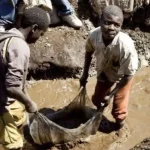
But in the face of these challenges, African leaders refuse to abandon their quest. They envision a multifaceted approach to reparations: truth commissions that would lay bare the full scope of the trans-Atlantic slave trade, educational programs to ensure these histories are never forgotten, and yes – financial compensation that would help address the lingering economic wounds of colonialism.
As Professor Howard-Hassmann notes in an article in The Conversation, the implementation of any reparations program would face significant hurdles – questions of transparency, management, and effectiveness that must be addressed head-on. Yet she argues that even symbolic gestures of compensation would represent a crucial step forward – an acknowledgement that the West’s prosperity was built, in part, on Africa’s pain.
As the sun sets over Addis Ababa, casting long shadows across the city’s mix of ancient churches and modern office buildings, the AU summit continues its work. In conference rooms and corridors, African leaders forge ahead with their plans, knowing that they are carrying forward a struggle that began centuries ago in the holds of slave ships and on plantation fields.
Their message is clear: The time has come for the West to face its historical responsibilities. Whether through financial compensation, educational initiatives, or formal acknowledgements of past wrongs, the path to true global justice must run through an honest reckoning with history.
As the world watches this weekend’s summit unfold, the question remains: Will Western nations finally hear this call for justice? Or will they continue to resist the tide of history, even as it rises inexorably around them? The answer may well define not just Africa’s future, but the moral character of our global community in the twenty-first century.