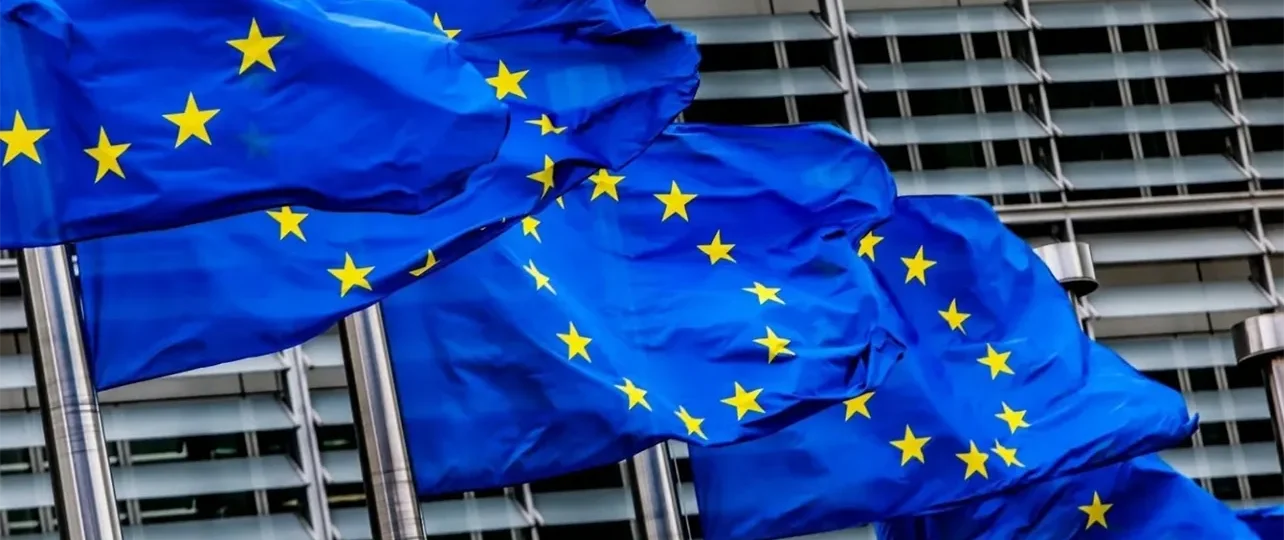

THE European Parliament has for the first time formally named the United Arab Emirates as a state fuelling Sudan’s civil war, adopting a resolution on 8 July that links the Gulf federation directly to atrocities committed by the Rapid Support Forces (RSF) in North Kordofan. The move breaks a pattern of diplomatic evasion that has, since fighting broke out in April 2023, allowed one of the war’s most consequential external backers to escape formal censure.
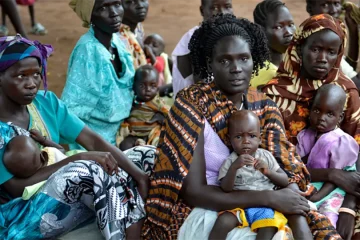
The resolution comes as residents of El Obeid, the North Kordofan state capital besieged by the RSF, continue to endure near-daily drone strikes on the infrastructure that keeps the city alive. Rights researchers documented fifteen strikes over three weeks in June alone, killing at least 45 civilians and hitting water systems, fuel depots and the electricity grid.
“Drone strikes are daily. They’re targeting infrastructure like water, fuel and the electricity station we need for our survival.”
An El Obeid resident
Two years of avoidance
What distinguishes the European Parliament’s text is not the substance of the allegations against the UAE, which have circulated in investigative and rights reporting for more than a year, but the fact that a major multilateral body has finally put them into a formal resolution. Diplomats and policymakers have for two years sidestepped naming the UAE directly, even as evidence of its role accumulated. The UN Human Rights Council illustrated the pattern as recently as late June, when it again condemned unnamed external support sustaining the conflict without identifying Abu Dhabi as a source.
That reluctance has persisted despite documentation, including by Human Rights Watch, that Colombian private military contractors recruited by a UAE-based firm transited through Emirati military bases before deployment to Sudan in support of the RSF, and that Colombian fighters were present during the RSF’s capture of El Fasher in 2025. Investigators have also traced European-manufactured weapons systems into RSF hands in what researchers describe as a breach of the United Nations arms embargo on Darfur.
What Brussels could still do
The resolution’s significance will ultimately be judged on whether it produces enforcement rather than rhetoric. Analysts and rights advocates are pressing the European Union to move to targeted sanctions against entities implicated in recruitment and logistics for the RSF, including the Abu Dhabi-based Global Security Services Group and its chief executive, reportedly involved in hiring the Colombian contractors, along with airlines and airport operators allegedly forming part of an air corridor supplying the RSF.
A parallel demand is for EU member states to suspend military and defence cooperation with the UAE and make any resumption conditional on Abu Dhabi ending its support for the RSF. Whether the European Commission and member-state governments, several of which maintain substantial trade and defence ties with the Emirates, are prepared to convert parliamentary language into binding policy remains the open question.
A precedent for the continent
For African governments, the African Union and continental rights bodies that have themselves struggled to name external actors sustaining the Sudan war, the European Parliament’s resolution sets a precedent that domestic and regional accountability mechanisms have yet to match. With El Obeid’s civilians living under sustained bombardment and the broader conflict entering its fourth year, the test of the resolution will be measured less in the text adopted in Brussels than in whether it translates into sanctions, arms-trade scrutiny and diplomatic pressure sufficient to constrain the flow of fighters, weapons and money keeping the RSF in the field.