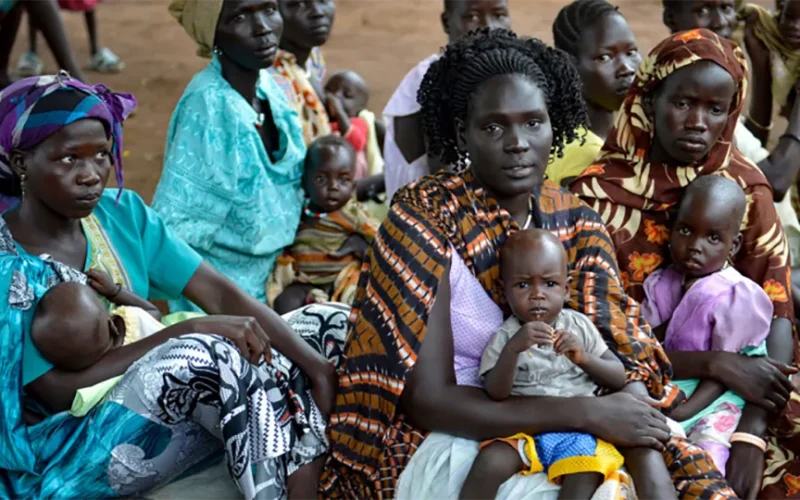
FOR refugees and asylum seekers in Egypt, a delayed appointment can now mean detention, deportation or disappearance into legal limbo. Human Rights Watch says many Sudanese and South Sudanese families are being arrested even when they hold UNHCR documents, because residency renewals have been pushed so far into the future that their legal status expires before the state acts.
That has turned paperwork into a form of danger. Egypt hosted more than 1.1 million refugees and asylum seekers registered with UNHCR as of May 2026, a sharp rise since the war erupted in Sudan in April 2023, but the system meant to process them has not kept pace. Some applicants are reportedly being given residency renewal dates as far away as 2028, leaving them vulnerable to arrest even when they have done everything required of them.
The human stories behind that backlog are stark. A 27-year-old South Sudanese man with a UNHCR card and a residency appointment in 2028 said police told him, “You don’t have residency; you Sudanese are too many in this country; we don’t want you anymore.” He was later deported to Juba despite saying that a return was unsafe. A Sudanese father said his wife’s arrest left him struggling alone to care for their children.
The crisis is unfolding against the backdrop of Egypt’s new asylum law, passed in December 2024, which was supposed to create a formal national system. But rights groups say the law and its bylaws leave dangerous gaps, including weak safeguards against refoulement, the forced return of people to places where they may face persecution. The bylaws were only published in May 2026, and the state is still building the machinery it needs to handle the transition from UNHCR-led processing.
In practice, refugees say the consequences are felt in daily life long before any deportation order. People report being stopped by officers in plain clothes, asked for residency papers, and in some cases, held for days or weeks in overcrowded police stations. Several interviewees said detention conditions were harsh, with limited food, dirty water, overcrowding and physical abuse.
The broader pattern is one of a state struggling to manage a major displacement crisis while also taking a harder line on migrants and asylum seekers. Rights groups and UN experts have warned that deportations have been carried out without proper individual assessments, raising fears that people are being sent back to danger without due process. Egypt is a party to key refugee conventions that prohibit refoulement, yet critics say the current legal framework does not reflect those obligations clearly enough.
For families caught in this system, the result is fear, not protection. Parents are avoiding movement, crime victims are struggling to file police reports, and children are missing school because residency status has become a gatekeeper to ordinary life. What should have been an administrative process has become a test of survival.