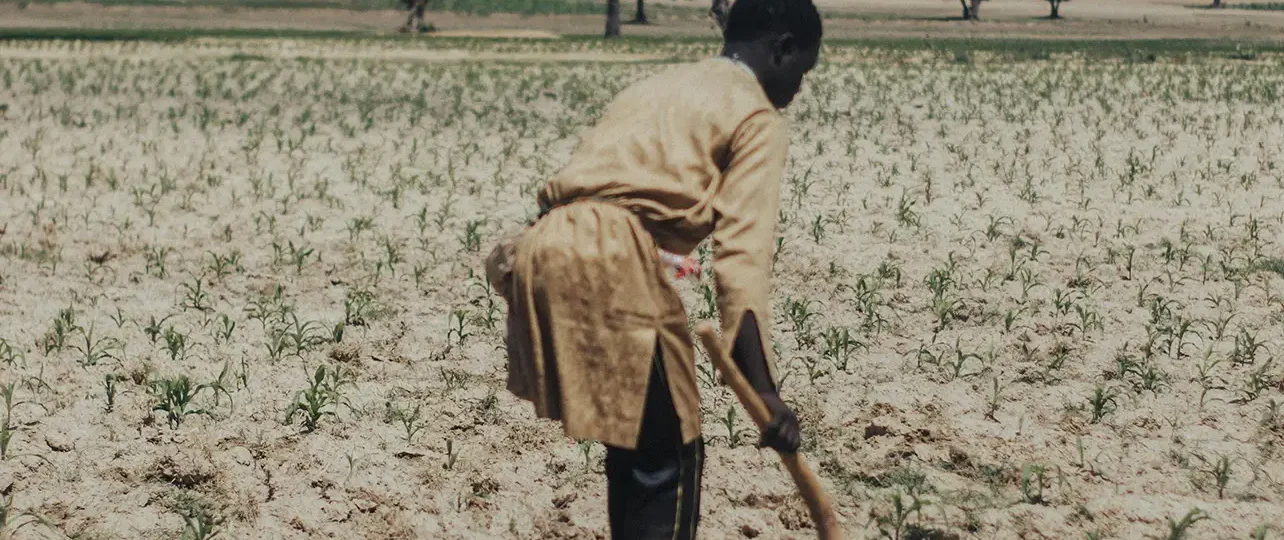

AT a remote health clinic on the outskirts of Lodwar town in northern Kenya, aid workers are testing an unlikely new ally in the fight against hunger: artificial intelligence. A laptop whirs under the equatorial sun, running a model that scans health records and satellite images of drought-parched land. The goal is radical for a region accustomed to crisis response to forecast malnutrition before children start wasting away, and to rush in help early. In the past, warnings came only when famine was already at the doorstep. Now an algorithm offers a six-month head start.
Across Africa, humanitarian organisations are cautiously embracing AI-driven tools to anticipate disasters and streamline their aid efforts. From algorithms that flag looming droughts to machine learning systems mapping the spread of epidemics, the continent is a testing ground for high-tech approaches to age-old problems. In Rwanda, analysts feed climate data into AI models to improve flood warnings. And in places like Kenya, as with that Lodwar pilot project, AI-enhanced early warning systems promise to get life-saving assistance to vulnerable communities before crisis peaks.
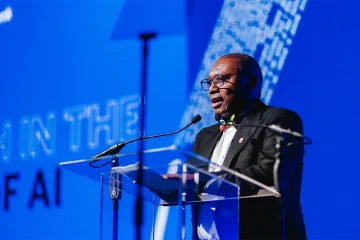
It’s a vision of humanitarian aid flipped on its head, one where data and prediction replace reactive measures. But amid the excitement, experts are urging a dose of realism. “Artificial intelligence could eventually help us predict food shortages or disease outbreaks,” says Dr Siddhartha Paul Tiwari, a Singapore-based academician and technologist, “but it’s early days.
What matters is combining these tools with community engagement, strong governance and reliable power. Without that foundation, even the most exciting technology will fail.” In other words, AI can boost humanitarian work but only if the basics are in place and people on the ground are part of the equation.
The emphasis on practical outcomes is echoed by others tracking Africa’s AI moment. At the inaugural Global AI Summit on Africa held in Kigali, Rwanda, earlier this year, leaders from across the continent convened to chart an AI-enabled future. The gathering celebrated homegrown innovations from South African startups using AI in education to Nigerian farmers diagnosing crop diseases with smartphone apps. Yet it also came with a sober warning: Beware of technosolutionism. Analysts at the Brookings Institution noted a tendency to treat AI as a silver bullet for every problem, and cautioned that hype should not distract from the hard work of development. Better algorithms won’t build clinics or drill wells; if officials chase AI fads at the expense of basics like infrastructure and public services, the gains will be short-lived.
Dr Tiwari has researched how digital innovations intersect with society and has guided African institutions on tech strategy. In a recent book, Understanding Technology in the Context of National Development: Critical Reflections, Dr Tiwari makes a simple point: people must remain at the centre of any technological revolution. He notes that governments and NGOs across Africa are indeed using new tools from data analytics dashboards to AI-powered health apps in daily operations like disaster relief coordination and public health campaigns. These advances can save lives and make aid more effective, but, as he emphasises, success depends on whether they ultimately serve the local population. Shiny algorithms mean little if they don’t translate into food on tables or medicine in clinics.
Perhaps the toughest challenge ahead is sustaining long-term commitment. Too often, global excitement over “AI for good” leads to pilot projects that grab headlines and then fizzle out when funders shift focus. African aid workers have seen a parade of flashy demos from drone deliveries to blockchain-based aid tracking that show promise but vanish after the initial grant runs dry. Community training, infrastructure investment and policy work are not glamorous, yet they determine success or failure. If donors aren’t ready to support the unglamorous parts like solar panels or data governance frameworks, the shiny tools won’t deliver what they promise. In other words, an AI project is only as good as the groundwork and follow-through behind it.
For all these caveats, the mood among Africa’s humanitarian tech pioneers remains hopeful. The past decade has seen the continent leapfrog in areas like mobile banking and digital ID systems, showing an aptitude for adapting technology to local needs. Artificial intelligence, many believe, could follow a similar trajectory, augmenting human capacity in relief efforts and even predicting crises before they escalate.
Many African communities still lack electricity and internet access, the necessary infrastructure for AI. In plain terms, an AI program is useless in the field without power or connectivity. Dr Tiwari acknowledges these fundamental gaps, but views them not as a reason to give up, rather as a call to invest more in local infrastructure. “We have to acknowledge that there will be areas where digital tools won’t work yet,” he says, “but that’s an argument for greater investment in infrastructure, not for abandoning the technology altogether.” Put simply, if an algorithm can save lives, then ensure the village has electricity to run it.
Another essential foundation is human expertise. AI thrives on data and context. In a humanitarian setting, algorithms are only as good as the information and insight behind them. An AI model might crunch years of rainfall patterns, but local farmers still know which hill turns green first when the drought ends. Successful projects merge high-tech with low-tech wisdom.
In Ethiopia, for example, aid agencies combine satellite-driven crop forecasts with on-the-ground observations from farmers to improve drought response. This marriage of artificial and human intelligence helps prevent the blind spots a foreign-designed algorithm might miss. A recent UNESCO policy paper on AI in Africa argued that such localisation is crucial, that governments should prioritise AI solutions tailored to local languages and cultural contexts, rather than importing systems designed elsewhere.
Crucially, African policymakers are carving out their own vision for ethical, inclusive AI. The African Union last year adopted a continental AI strategy that promotes a homegrown, development-focused approach to artificial intelligence. It emphasises safeguarding privacy and equity, for example, ensuring algorithms aren’t biased against marginalised groups or regions with sparse data.
UNESCO has supported these efforts, helping countries craft national AI guidelines aligned with human rights. The goal is to avoid the pitfalls seen elsewhere, where algorithms have sometimes amplified inequality. In African humanitarian contexts, any AI that boosts efficiency must not come at the cost of fairness; a refugee’s access to relief should not depend on whether they appear in some database.
Dr Tiwari underscores the need for transparency and accountability when integrating AI into aid programs. He notes that even neutral tools like biometric IDs or automated mapping can raise privacy concerns if not handled carefully. Agencies must explain these tools and guard against abuses to build community trust. People are far more likely to embrace AI-driven initiatives if they understand them and see that safeguards are in place.
The promise of AI in humanitarian work across Africa lies in its potential to save time and lives. If responsibly harnessed, it could help communities become more resilient against conflicts, climate shocks and epidemics. But fulfilling that promise will demand patience and prudence. It will require African problem-solvers like Dr Tiwari at the helm, ensuring that AI tools are developed with local insight and used for the public good. It will require global partners willing to invest not just in cutting-edge software, but in the mundane yet vital building blocks of power, connectivity, training and oversight.
In the coming years, as algorithms join the front lines of humanitarian response, success will be measured not by the sophistication of the tech but by its impact on people’s lives. A drought predicted and a famine averted; a disease outbreak flagged and contained; aid delivered more efficiently and fairly; these are the outcomes that matter. AI can help achieve all of them. Yet as Africa’s aid workers know, technology is never a substitute for wisdom or compassion. The real test will be how wisely we wield these tools and whether we remember that, in the end, humanitarian innovation is about humans above all.