THE man who collected me from the offices of the Mozambican intelligence service asked me to get into a 4×4 Landrover, and he drove to a house where we collected three other men. From the way the four of us greeted one another, we were obviously all South Africans. It was also evident that we had all left the country in the past few weeks or months. We all carried small bags stuffed with limited clothing. At that point, nobody volunteered a name. Our driver made sure that he had enough fuel by filling two spare plastic containers, and we also noticed that he made certain the spare tyre was pumped up.
These were telltale signs that we were going to drive for a long time. We set off without any idea where we were being taken to. Our attempt to get more information from the driver soon drew the conclusion that he was simply a driver and had no details concerning our future circumstances. All he could tell us was that we were going to be dropped at a place where we would wait until we met the right people. What followed was a frozen atmosphere in the vehicle. As soon as the other three men started conversing, I realised that they had left South Africa together and were all from Pretoria, probably from the same township.
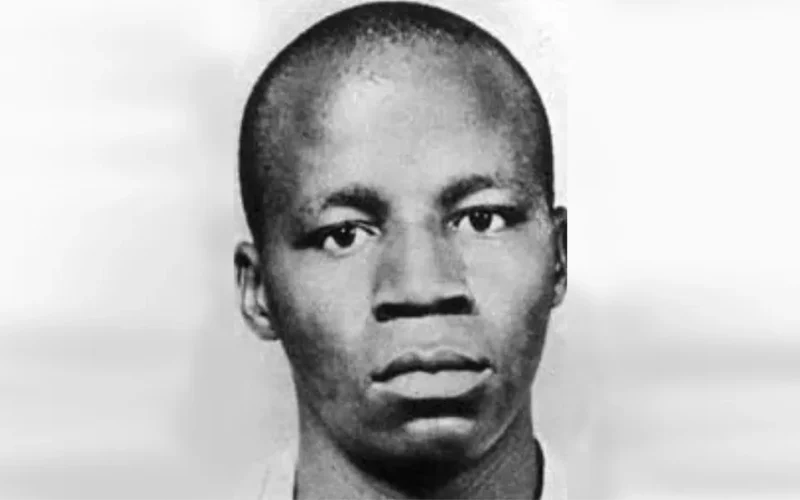
From the brief answer the driver had given us, it had also dawned on us that we were going to be together for some time and that it did not make sense not to introduce ourselves to one another. Their conversation had also become awkward because, in as much as they continued to converse among themselves, they had no idea who I was, as I had not been invited into their talk. The most outspoken of the three men introduced himself first as Thomas Masuku; the second man gave the name that was later to become well-known worldwide, Solomon Mahlangu.
He subsequently revealed that his mother preferred to call him ‘Kalushi’. Among the three, Stephen Nkosi was the last to introduce himself. In turn, I also introduced myself by my real name, Vusi Mavimbela. They explained that they had just left South Africa amid nationwide student uprisings in June 1976. I also gave a brief account of my background.
The vehicle dropped us at a small refugee camp called Memo, next to the town of Manjakase in Xai-Xai Province of Mozambique. (Incidentally, it is this refugee camp that is depicted as one of the main settings for the 2016 movie ‘Kalushi’. The movie scenes capture our sojourn in that camp. One day, a vehicle came from Maputo and the driver produced a notebook and called out four names: Thomas Masuku, Solomon Mahlangu, Stephen Nkosi and Vusi Mavimbela.
Back in Maputo, we were left in a four-room house. The following day, a man walked through the door. He carried bold tribal slashes on his forehead and cheeks, totem marks left by the razor in the hand of the elder of his clan. He was well dressed, with his lumber jacket and shoes that looked expensive. It was a curious juxtaposition: the tribal scarifications against the expensive modernity of his attire. He humbly sat down on the floor with his legs crossed. He introduced himself as Jacob Zuma. He took us through the short history of the African National Congress (ANC) and Umkhonto WeSizwe (MK). It was the first time that anyone had given us a thorough history of the ANC and MK. Kalushi fired the first salvo by asking him why it had taken the ANC so many years to come back and fight in South Africa. Zuma did his best to defend the struggle record of the ANC and Umkhonto WeSizwe, citing, among others, military skirmishes in Wankie and Sipholilo in the then Rhodesia, as well as the difficulty of waging the armed struggle from distant locations in Southern Africa.
Masuku was a walking jazz encyclopaedia. All of them were from Pretoria, Mamelodi, and the city was the jazz-listening capital of South Africa; young boys and girls imbibed jazz with their mothers’ milk. All I had to do was mention a Clark Terry album, and Masuku would pick up a track and whistle-play the whole tune through his mouth. I would whistle a Garry Mulligan score and get lost in the process, and he would pick it up where I ended and complete it. Kalushi was a completely different character; reserved and reticent. He talked mainly when the discussion became interesting and heated. He generally shunned small talk. Nkosi was a friendly guy with a face that beamed with a huge smile.
For the four of us, the flight from Maputo to Angola was a maiden experience as none of us had been on a flight before. We did not eat the food offered during the flight because we thought we had to pay for it and did not have the money. Later on, a hostess noticed that we were the only ones who were not eating, and she persuaded us to accept the food. Only then did we realise that we did not have to pay anything. It was all very exciting. We landed at the Luanda airport in Angola after sunset and were immediately whisked away in a Soviet Gaz 4×4 vehicle, which dropped us at a house in the city centre. The following day, Thomas Masuku, Kalushi and Stephen Nkosi were told to collect their belongings. We shook hands and hugged tightly, and they departed.
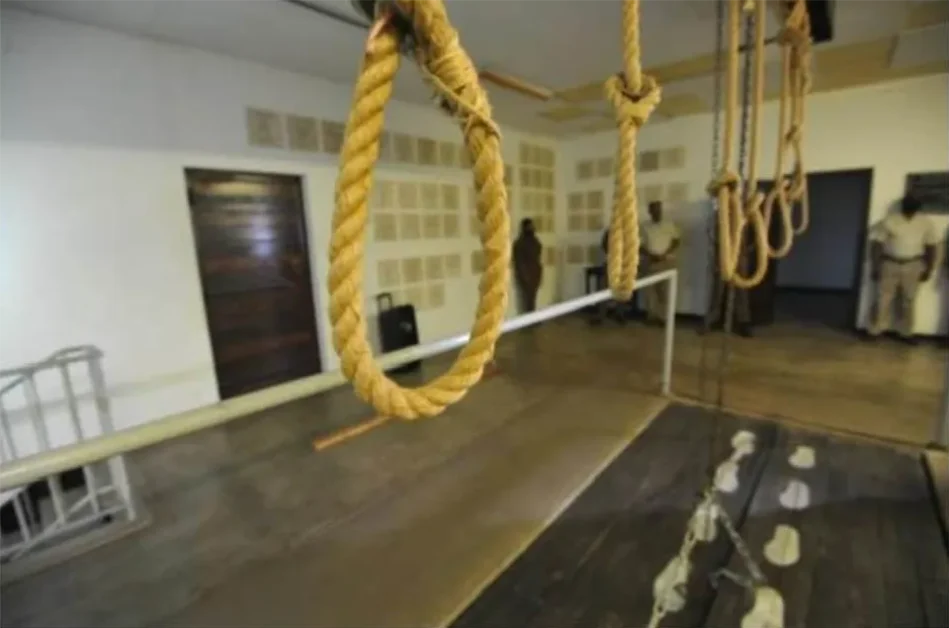
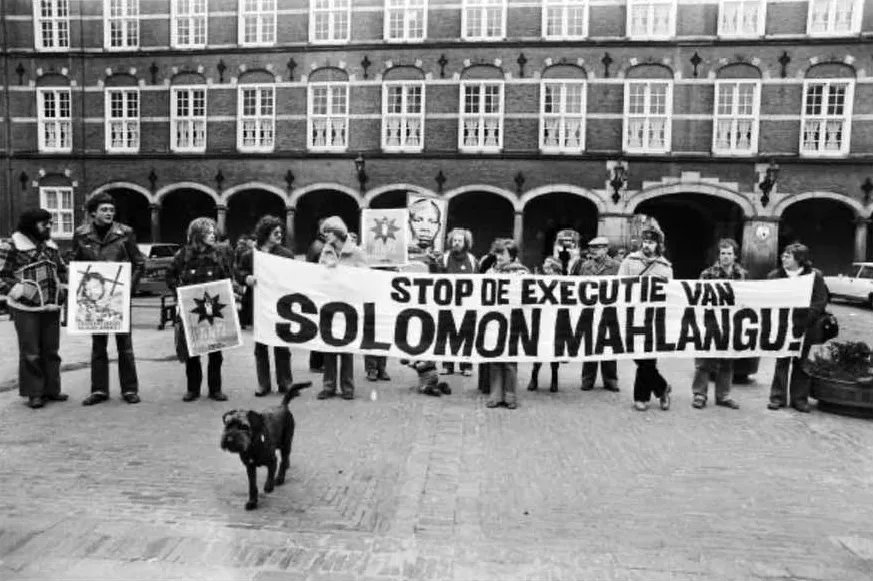
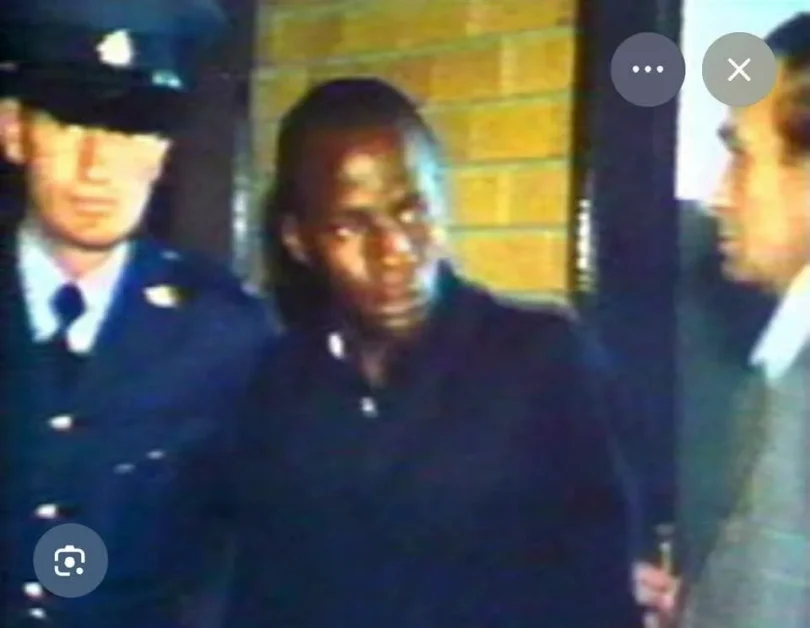
In 1977, barely five months after parting with Kalushi and his two homeboys, I got the news that he had been arrested after a shoot-out with the police in Johannesburg. According to the media at the time, he was part of a unit of three guerrillas who had gone back to South Africa. It was sad and shattering news to me. I did not recognise the names of the other two guerrillas who were said to have been with him in that encounter, so I knew they were not Thomas Masuku and Stephen Nkosi. (The Solomon Mahlangu prisoner clemency campaign that was waged around the world between 1978 and 1979 became the largest clemency campaign globally supported by well-known global institutions like the United Nations and prominent personalities, including the USA President Jimmy Carter and the French President Valéry Giscard d’Estaing). The 22-year-old Kalushi was later executed by the apartheid regime on 6 April 1979. In remembrance, I wrote several articles recalling stories he had told me whilst we were marooned in Memo. Among others,
“I remember one time when he told me how, when he was still young, he used to caddy at the Irene Golf Course in Pretoria to get money for the cinema. How he used to staff ride at the local Denneboom Railway Station to catch a train to his part-time job. Solly was a good utility soccer player, and just before he left the country, he was playing for the Continental Soccer Club. The money he was able to earn usually paid for his school career, especially the buying of books, and to help his mother”.