THIRTY years into our democracy, South Africa stands at a crossroads. Not the kind that requires more committees, consultations, or clever conversations. The kind that demands a choice between order and chaos, between the rule of law and the law of the jungle. And right now, we’re choosing badly.
President Cyril Ramaphosa’s national dialogue represents everything that’s wrong with our current approach to governance: when faced with a crisis, talk about it. When confronted with lawlessness, commission a study. When communities are burning with rage over service delivery failures, organise a workshop, call it a national dialogue.
Enough. South Africa doesn’t need another talking shop. It needs a government with the spine to enforce the law that already exists.
We have laws in this country. Good ones. Laws against corruption, against violence, against the theft of public resources. Laws that require municipalities to deliver basic services. Laws that demand accountability from public officials. Laws that could transform this country overnight – if anyone bothered to enforce them.
Instead, we have a culture of impunity that has rotted our democracy from the inside out. Corrupt officials loot municipal budgets while residents queue for water trucks. Politicians award tenders to their cousins while roads crumble into moonscapes. Criminals operate with brazen confidence because they know the chances of facing real consequences are virtually zero.
The law is supposed to be the great equaliser in a democracy – the force that makes presidents and paupers equal before justice. In South Africa, it has become wallpaper: decorative, occasionally noticed, but ultimately ignored by those with power.
When Dialogue Becomes Delay
Yes, our country was born through dialogue. The negotiations that ended apartheid and birthed our democracy were a masterclass in the power of talking through seemingly impossible problems. But here’s what Ramaphosa – himself a veteran of those talks – seems to have forgotten: that dialogue worked because it was about creating new laws and institutions. Today’s crisis is about enforcing the ones we already have.
We know what the problems are. The Auditor General publishes reports every year documenting municipal corruption and incompetence with forensic precision. The police commissioner has evidence of taxi violence and organised crime. Communities across the country are literally taking to the streets to demand basic services that the law already guarantees them.
We don’t need another process to identify these problems. We need someone with the political will to solve them.
The Brutal Reality Check: From Maponya Mall to Municipal Collapse
Look at the evidence staring us in the face. A taxi driver is brutally murdered at Maponya Mall in broad daylight, the violence captured on camera for the world to see. The response? Calls for more dialogue between taxi associations and e-hailing services. Meanwhile, Lieutenant General Nhlanhla Mkhwanazi sits with evidence of lawbreaking that could end this violence tomorrow – if anyone had the courage to act on it.
Across the country, communities are on the brink of revolt. Not because they’re unreasonable, but because they’re desperate. They’ve watched their municipalities collapse into corruption and incompetence while their elected representatives live in luxury. They’ve seen service delivery budgets disappear into the pockets of ANC cadres while their children walk kilometres for clean water.
These communities don’t need another dialogue about service delivery. They need mayors who face prison time for failing to deliver services. They need municipal managers who know that corruption will destroy their careers, not advance them. They need to see that the law applies equally to everyone—especially those who claim to serve the public.
The ANC: Still Playing Leader in a Game They’ve Already Lost
The most tragic aspect of this national dialogue charade is watching the ANC pretend it still has the moral authority to lead national renewal. This is a party that has presided over the systematic destruction of municipal governance, the capture of state institutions, and the creation of a culture where lawlessness is not just tolerated but rewarded.
The ANC’s reaction to losing its parliamentary majority tells you everything about its relationship with accountability. Any other party in any other democracy would have engaged in serious soul-searching, cleaned house, and demonstrated genuine reform. Instead, the ANC has carried on as if it’s business as usual – including the arrogant assumption that it should lead a process to fix problems it created.
This is a party that has always been terrified of anything it cannot control. The idea of genuinely independent institutions enforcing the law against ANC officials is their worst nightmare. So instead of empowering law enforcement, they prefer endless dialogue that never leads to consequences.
From Vigilantism to Anarchy: The Cost of Weak Law Enforcement
The failure to enforce the law doesn’t create a vacuum – it creates vigilantism. When the state abdicates its responsibility to maintain order, citizens take matters into their own hands. We’ve seen this movie before, and it doesn’t end well.
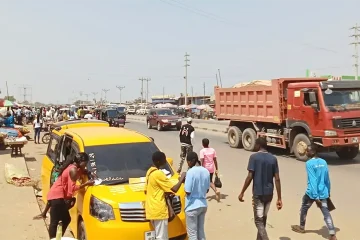
The taxi violence that has turned parts of our cities into war zones isn’t just about transport disputes – it’s about what happens when law enforcement becomes a joke. When criminals know they can literally get away with murder, they will. When corrupt officials know investigations will be buried in committee, they’ll steal everything that isn’t nailed down.
The brutal irony is that the ANC’s weakness in enforcing the law has created the very chaos that now threatens to destroy our democracy. Communities that should be focusing on economic development are instead organising vigilante groups. Business investment flees because the rule of law is a prerequisite for economic growth. Young people lose faith in democratic institutions because they see them as powerless against corruption and crime.
What Real Leadership Looks Like
Real leadership in 2024 doesn’t look like Nelson Mandela’s reconciliation leadership of 1994. That was the leadership of nation-building and hope. Today’s South Africa needs the leadership of law enforcement and consequences.
We need a president who makes corrupt mayors afraid of their own shadows. We need a government that treats service delivery failures as the constitutional crises they are. We need law enforcement agencies that operate with the independence and authority to prosecute anyone – regardless of their political connections.
This isn’t about being heavy-handed or authoritarian. It’s about recognising that democracy without the rule of law isn’t democracy—it’s organised chaos with regular elections.
The National Dialogue We Actually Need
If we must have a national dialogue, let it be about one thing: how to restore the rule of law in South Africa. Not another wide-ranging conversation that touches on everything and solves nothing. A focused, urgent discussion about giving law enforcement agencies the independence, resources, and political backing they need to do their jobs.
Let’s dialogue about why so many municipalities are broke and dysfunctional, then prosecute the officials responsible. Let’s discuss why taxi violence persists, then arrest the perpetrators. Let’s examine why corruption flourishes, then jail the corrupt.
But even that dialogue would be pointless if it doesn’t end with clear, measurable actions. Laws being enforced. Officials being held accountable. Citizens seeing that their democracy has teeth.
The Choice Before Us
South Africa is rapidly approaching the point where we must choose between being a nation of laws or a nation of powerful people who ignore laws. Between a democracy where institutions have authority or a facade where everything depends on political connections.
The communities protesting for basic services aren’t asking for dialogue – they’re demanding action. The business community fleeing South Africa isn’t looking for more committees – they want rule of law. The young people losing faith in democracy aren’t interested in workshops – they want to see that justice is real.
Ramaphosa can continue trying to dialogue his way out of every crisis, positioning himself as the great reconciler leading from behind. But this country doesn’t need another Mandela. It needs a president who understands that sometimes the most caring thing you can do for a democracy is enforce its laws.
The national dialogue South Africa needs isn’t happening in conference centres with catered lunches. It’s happening in courtrooms where corruption cases are finally prosecuted. It’s happening in police stations where investigations aren’t buried by political interference. It’s happening in municipal offices where service delivery failures have real consequences.
We’ve talked enough. It’s time to enforce. Because the alternative isn’t more dialogue – it’s the end of our democracy as we know it.
The law is waiting. The question is whether we have leaders brave enough to use it.