HAVE you ever heard of the term ‘white fragility’? It was coined by Dr. Robin DiAngelo in a 2011 academic paper and later expanded into a bestselling book called White Fragility: Why It’s So Hard for White People to Talk About Racism. It refers to the defensive responses white people often exhibit when confronted with conversations about race, racism, and inequality.
These reactions of denial, avoidance, minimisation, serve to maintain comfort and avoid the discomfort of acknowledging racial injustice. In curated spaces—be they art institutions, award shows, or national policy—this fragility is often disguised as “neutrality” or “universalism”.
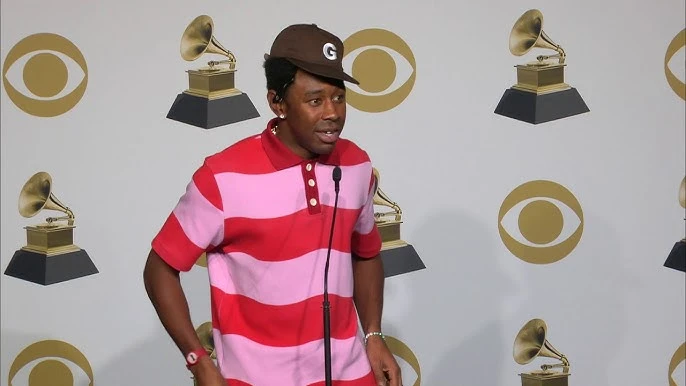
But it is really a way to preserve the dominance of whiteness. Take the Grammy Awards, the BAFTAs, or the Oscars, for instance. After years of criticism for their lack of diversity, they responded with performative gestures: adding new categories or celebrating non-white artists in ways that still separate them. The “urban” categories are a case in point—segregated spaces dressed up as inclusion.
Tyler, the Creator said it best after winning Best Rap Album for Igor in 2020: “I don’t like that ‘urban’ word. It’s just a politically correct way to say the n-word to me… It feels like the rap nomination was a backhanded compliment…like giving your little cousin the unplugged controller so they can feel like they’re playing.”
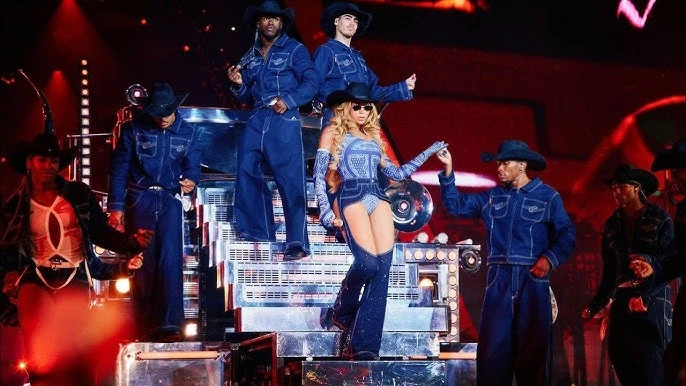
His frustration wasn’t just about one category. It was about a larger pattern: white institutions extending recognition only when it doesn’t threaten their frameworks. In 2024, Beyoncé won Best Country Album for Cowboy Carter, a historic achievement as a Black woman. Beyoncé — essentially the best example of American excellence as one of the world’s best performers, and who is from Houston, made an album to celebrate her identity as a Black Texan in a genre dominated by white people.
In June 2025, the Academy announced the category would be split into “Traditional” and “Contemporary” Country. They cited “growth in the genre” and representation of country music’s expansive growth with its subgenres, but Beyoncé fans knew that the timing wasn’t a coincidence.
This very article was inspired by the Academy’s announcement because it fascinates to see the institution’s actions that come after an album that divided much of the USA’s Country music community.

However, this isn’t just about one artist or one institution. Even in Europe, white fragility often shows up under the guise of “colourblindness”.
Cultural institutions resist accountability through soft power: emphasising “shared history” over material reparations, or “meritocracy” over systemic redress. The violence of colonialism is reframed as a collaborative legacy, allowing European nations to evade meaningful restitution, as done by nations such as Belgium, France, England, Portugal, the Netherlands, and Germany.
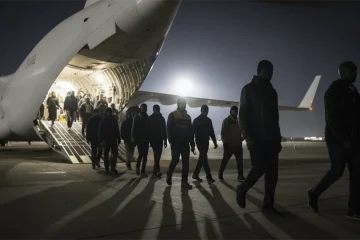
I write this from South Africa, a nation 30 years out of apartheid and still very much entangled in white fragility. A recent case: 59 Afrikaners flew to the US, claiming refugee status from a so-called “white genocide”.
Their case was built on myth, but it’s part of a broader pattern—white South Africans deflecting accountability by framing themselves as victims when they’re faced with policies to enact economic equality in the world’s most unequal society. Their talking points also often echo global white fragility:
- “We shouldn’t tick boxes.”
- “We are not our forefathers.”
- “We value quality over identity politics.”
- “We are not our forefathers.”
In public life, be it education, sports, or the arts, any attempt to name racial injustice is often met with gaslighting. “It’s not about race,” they say, or, “You’re being too sensitive.” This is not just resistance. It’s erasure. Even when white people dotry to engage with history, it’s often on their terms, with their discomfort centred.
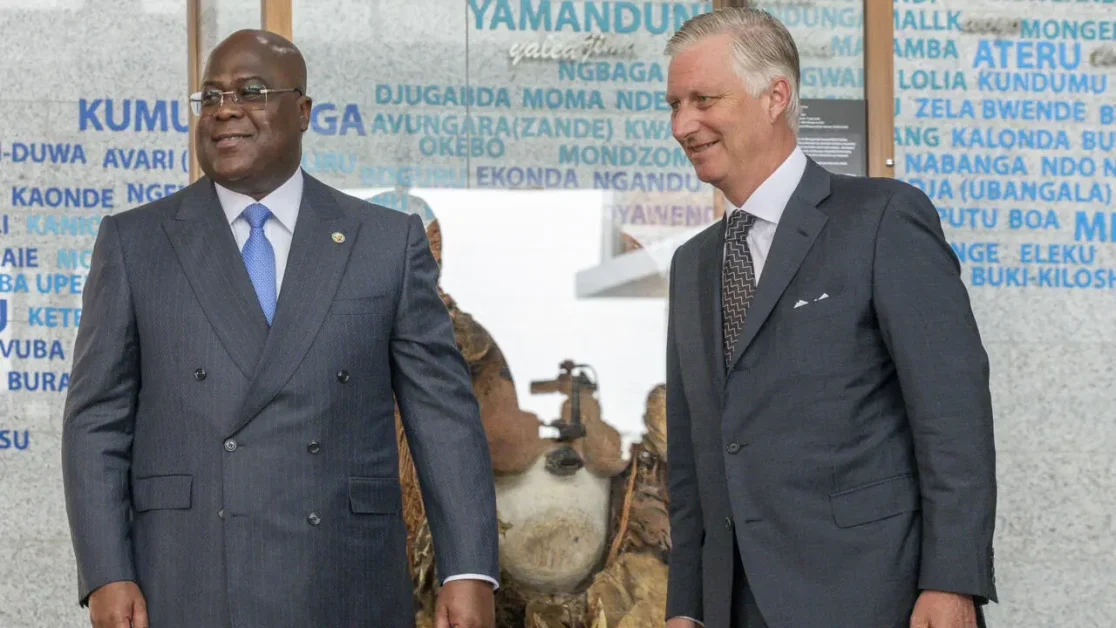
This is the same racial group that insists the world “never forget” the tragedies of WWI and WWII — yet hesitates to acknowledge the genocide in Palestine or the resource plundering in Sudan and the DRC. Why? Because looking at the African elephant in the room is uncomfortable, unless it’s to admire its tusks as decor in a holiday home.
But this same group continues to invoke World War I and II as necessary historical memory and lessons for the future. Why not apartheid? Why not slavery? Why not Congo, Sudan, or Palestine?
There are entire books filled with examples of white fragility. My goal here is not to rewrite them — but to ask: When does it end? When do white-led institutions stop offering band-aids and start practising real, honest accountability?
If white people truly want to engage in meaningful redress, they’ll need to leave defensiveness at the door — and come to the table Black and Brown communities have already set. They must ask: ‘Why is our fragility prioritised over others’ trauma?’
I’m not white, nor do I have the answers; I just have my experience and lessons as a young adult pushing for justice. Until those questions are answered honestly, their cries of fairness or merit will be drowned out by the lived traumas and truths of those they continue to speak over. Until then, their redress will remain performative.