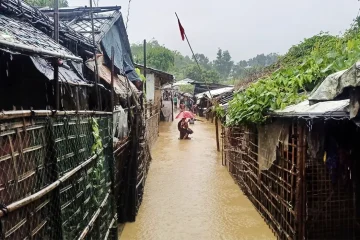
THREE-quarters of the world’s 117 million refugees and displaced people are living in countries with extreme climate risks, trapped in a dangerous cycle where weather disasters compound the violence that forced them to flee, according to a UN report.
The report from UNHCR, the UN Refugee Agency, reveals that weather-related disasters have triggered 250 million internal displacements over the past decade — the equivalent of 70,000 people forced from their homes every day.
“Around the world, extreme weather is putting people’s safety at greater risk,” said Filippo Grandi, UN High Commissioner for Refugees. “These are people who have already endured immense loss, and now they face the same hardships and devastation again.”
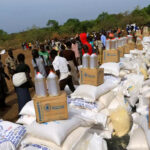
The crisis is particularly acute in Africa, where three-quarters of the land is deteriorating and more than half of refugee settlements sit in areas under severe ecological stress. In flood-affected Chad, newly arrived refugees from Sudan receive less than 10 litres of water daily — well below emergency standards.
By 2050, the hottest refugee camps could endure nearly 200 days of hazardous heat stress annually, with some locations becoming uninhabitable due to extreme heat and humidity, the report warns.
Environmental degradation is also fueling conflict. In parts of the Sahel, communities report that climate-related livelihood losses are driving recruitment into armed groups, creating a feedback loop of displacement and violence.
Despite the escalating crisis, funding remains inadequate. Fragile and conflict-affected countries hosting refugees receive only a quarter of the climate finance they need, while most global climate funding never reaches displaced communities.
The report, titled “No Escape II: The Way Forward,” was released at the COP30 climate summit in Belém. UNHCR is urging governments to include displaced people in national climate plans and ensure climate finance reaches frontline communities.
By 2040, the number of countries facing extreme climate hazards could jump from three to 65, the report projects. Since April 2023, nearly 1.3 million people fleeing Sudan’s conflict have sought refuge in South Sudan and Chad — two countries among the least equipped to handle climate emergencies.
“This COP must deliver real action, not empty promises,” Grandi said.