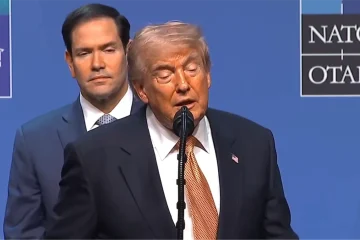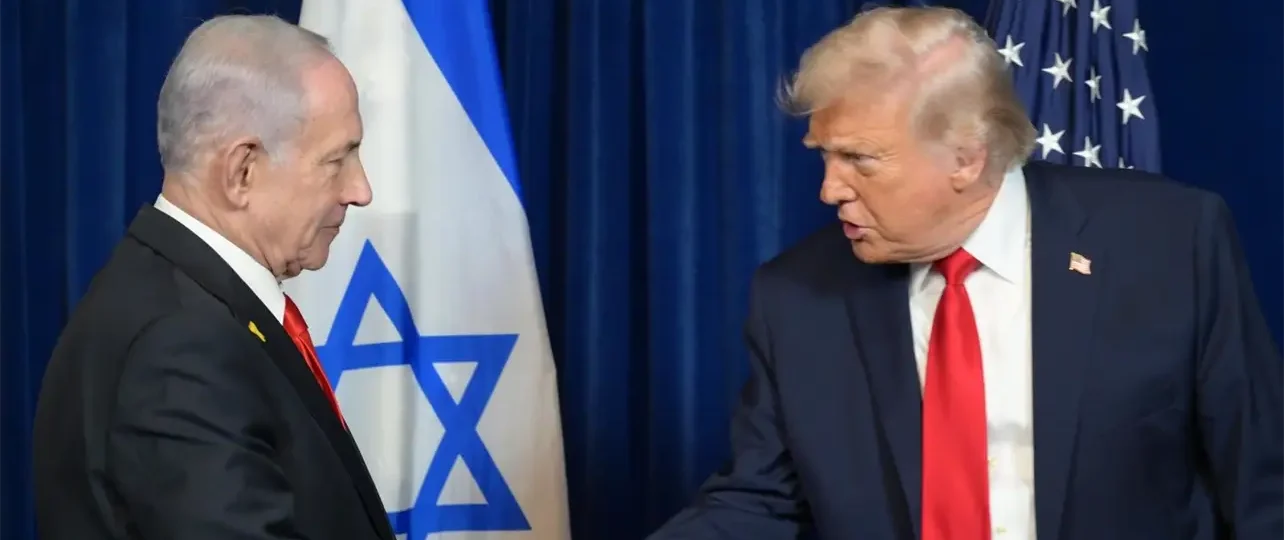

AS the year draws to a close, the Middle East peace process stands at a critical juncture, with U.S. President Donald Trump meeting Israeli Prime Minister Benjamin Netanyahu on Monday to advance a fragile ceasefire deal and address mounting regional tensions.
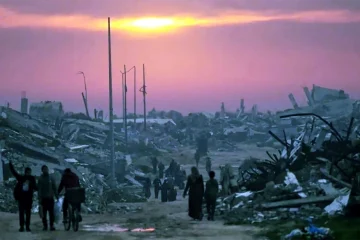
The discussions at Trump’s Mar-a-Lago estate focused on transitioning the Gaza ceasefire into its second phase, a complex undertaking that would require international peacekeeping forces and the disarmament of Hamas. The militant group has refused to lay down its weapons and has been reasserting control in Gaza as Israeli troops remain deployed across roughly half the territory.
Trump issued stark warnings during a joint press conference, telling Hamas there would be severe consequences if it did not disarm. Israel has indicated it will resume military action if Hamas is not disarmed peacefully, while both sides accuse each other of major violations of the October ceasefire agreement that followed two years of fighting.
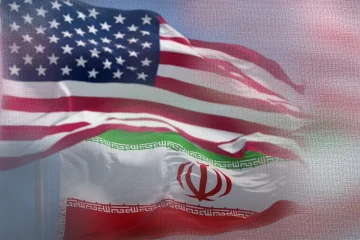
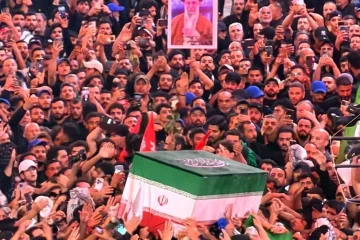
The peace efforts extend beyond Gaza. Trump raised the possibility of another major strike against Iran if intelligence confirms the country is rebuilding its ballistic missile or nuclear weapons programs following a massive U.S. attack in June. The president suggested Tehran may be working at new sites to restore its weapons capabilities, though he expressed hope that military action would not be necessary.
Iran and Israel fought a 12-day war in June, and Iranian officials announced last week they had conducted missile exercises for the second time this month. Netanyahu told reporters he discussed Tehran’s activities with Trump, though the Israeli leader said his country was not seeking confrontation with Iran.
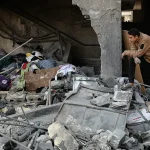
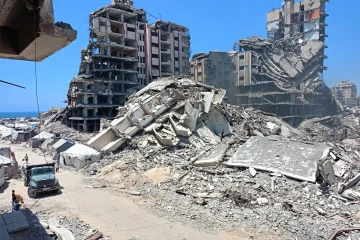
The fragile state of regional peace is further complicated by ongoing violence. Despite the official October ceasefire, Israeli strikes have killed more than 400 Palestinians – mostly civilians, according to Gaza health officials – while Palestinian militants have killed three Israeli soldiers.
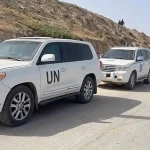
Trump’s brokered agreements have established three separate ceasefires involving Israel: with Hamas, with Iran, and with Lebanon. A U.N. Security Council resolution from November mandated the deployment of international security forces to Gaza, though implementing this provision remains contentious.
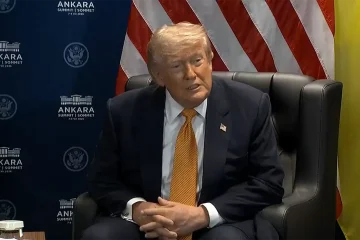
The president raised the idea of Turkish peacekeepers in Gaza, a sensitive topic given the strained relationship between Israel and Turkey, despite Trump’s frequent praise for Turkish President Tayyip Erdogan. The discussion also touched on Syria, where Israel seeks to ensure peaceful borders following the recent change in leadership after Bashar al-Assad’s ouster.
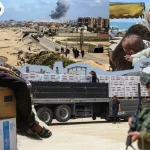
Trump’s plan for ending the Gaza war ultimately envisions Israel withdrawing from Palestinian territory and Hamas relinquishing both its weapons and any governing role. The first phase included a partial Israeli withdrawal, increased humanitarian aid, and exchanges of hostages for Palestinian prisoners.
However, significant obstacles remain. Netanyahu’s circle has indicated the prime minister demands the return of the last Israeli hostage’s remains before advancing to subsequent stages. Israel has refused to open the Rafah crossing between Gaza and Egypt—another condition of the peace plan – until this occurs.
As 2025 ends, the path forward remains uncertain. While Trump has taken credit for resolving Israel’s multiple conflicts, his comments suggest a willingness to risk renewed hostilities if the agreements falter. The coming weeks will test whether the international community can successfully navigate the transition from ceasefire to lasting peace.