
THE ceasefire between Beirut and Tel Aviv has sharply reduced large-scale combat in southern Lebanon, but fragile calm and continuing violations leave returning communities facing profound insecurity and destruction, the UN Interim Force in Lebanon (UNIFIL) said on Wednesday.
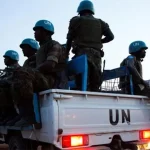
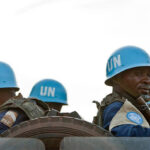
UNIFIL spokesperson Kandice Ardiel told journalists that while “the level of violence has been reduced, we continue to record a number of violations of Resolution 1701 on a daily basis.” That tension, she said, requires sustained peacekeeping work: “Peacekeepers are working, including through our liaison and coordination mechanisms, to consolidate the stability gains we’ve seen and continue efforts towards security and stability for everyone living along the Blue Line.”
The Blue Line — the UN-demarcated line between Lebanon and Israel — remains the organisation’s singular point of reference. Ardiel dismissed an Israeli-declared “Yellow Line” buffer, describing it as “a self-declared military boundary established by the Israel Defence Forces which is not recognised by the United Nations.” She was explicit about UNIFIL’s posture: “For the United Nations and UNIFIL, the Blue Line is the only relevant line. Any Israeli presence north of the Blue Line is considered a violation of Resolution 1701.”
UNIFIL reports persistent Israeli military activity north of the Blue Line. Peacekeepers continue to monitor those movements and press both sides to preserve gains made since the truce. Yet the operational picture on the ground remains uneven: heavy clashes have eased along the frontier, but ceasefire breaches are still routinely recorded.
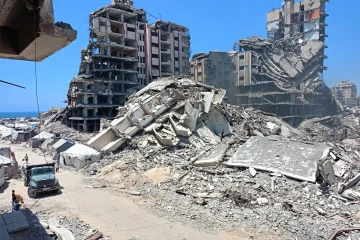
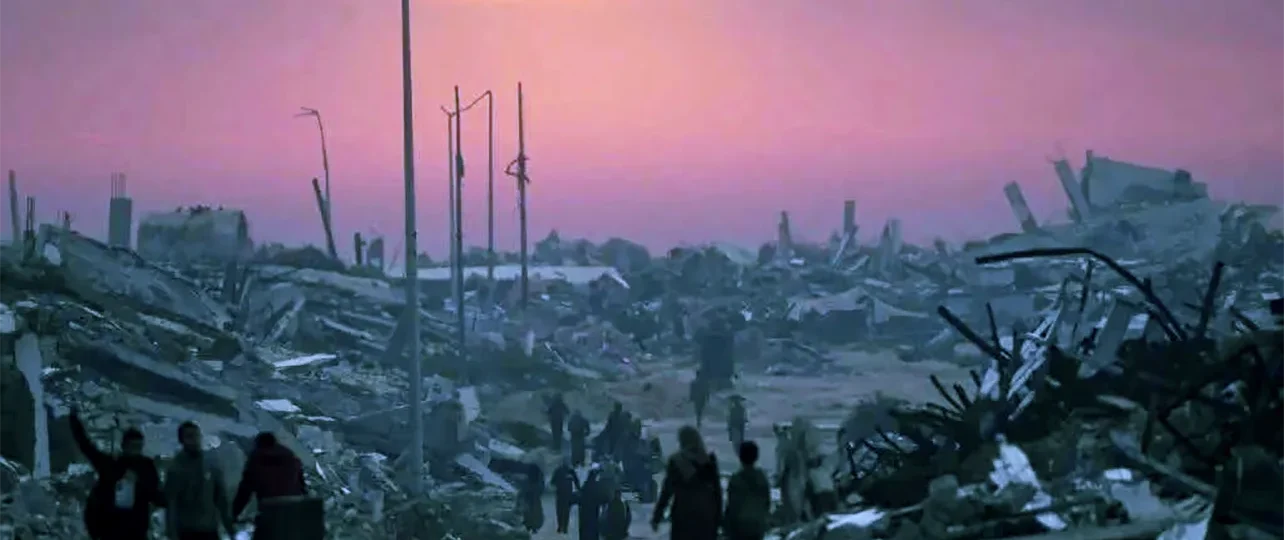
For civilians, the immediate consequence is traumatic — returns to ruin rather than homes. Ardiel said the reduction in fighting has “enabled many displaced Lebanese families to return to their homes in the south,” but cautioned that returning populations confront “a very different scenario” from the one they fled. “They are coming back to destroyed villages,” she said, listing Majdal Zoun, Kafra and Tyre among towns scarred by heavy shelling. “People are trying to rebuild their lives but are facing enormous challenges, including damaged infrastructure and limited access to water, electricity, hospitals and schools.”
Multiple displacement waves in 2023, 2024 and 2026 have left many communities depleted and some families unable to return because frontline insecurity persists. UNIFIL’s humanitarian and stabilisation activities are therefore both tactical and symbolic: clearing roads, removing unexploded ordnance, and facilitating municipal repairs aimed at making returns safer and more sustainable. “We’re here as peacekeepers. We’re here to help build and consolidate stability,” Ardiel said. She described UNIFIL’s coordination role in practical terms: “We liaise and coordinate between the parties to ensure the safe passage of humanitarian actors and municipal authorities carrying out infrastructure repairs. We’re clearing roads, removing unexploded ordnance and helping create conditions for people to return safely to their communities.”
The force also supports local medical and social services under strain. Ardiel noted UNIFIL-organised blood donations to Marjayoun Hospital to treat trauma victims and donations of children’s toys and supplies to the Istanbouli Theatre in Tyre — measures that help fill gaps while reconstruction and service restoration lag.
UNIFIL patrols and monitoring continue, but Ardiel acknowledged operational constraints. Road debris and unexploded ordnance routinely impede movement, and she said peacekeepers have on occasion been stopped by Israeli forces: “In some cases, we have also been blocked by Israeli forces, whether through checkpoints, tanks or other military vehicles. These incidents are usually short-lived.” She framed those interruptions as obstacles, not roadblocks to the mandate: “We remind everyone that peacekeepers have freedom of movement. We have a job to do, and we must be able to do it effectively and impartially.”
Analysis: UNIFIL’s account highlights two concurrent realities that will determine near-term stability in southern Lebanon. First, the ceasefire has lowered the intensity of conflict enough to permit returns and limited reconstruction, creating a political opening for local recovery. Second, repeated violations of Resolution 1701 and ongoing Israeli military operations north of the Blue Line keep the security environment brittle. That brittleness — combined with ruined infrastructure and constrained humanitarian access — risks turning temporary calm into a protracted humanitarian crisis if political and security gaps are not closed.
For policymakers and donors, the immediate priorities are clear: consolidate monitoring and verification mechanisms along the Blue Line, insist on unfettered movement for UNIFIL and humanitarian actors, and channel funding to rapid repairs of water, power and health services that enable safe, sustained returns. Without a durable political settlement that addresses the sources of violation and an accountable mechanism for ensuring compliance, the present lull could give way to renewed rounds of displacement and violence.