THE world’s youngest nation, born from decades of struggle and bloodshed, now stares into the abyss of renewed civil war. South Sudan, independent since 2011, is gripped by escalating tensions between President Salva Kiir and First Vice President Riek Machar, whose fragile coalition government – forged after a devastating five-year civil war – appears on the verge of collapse.
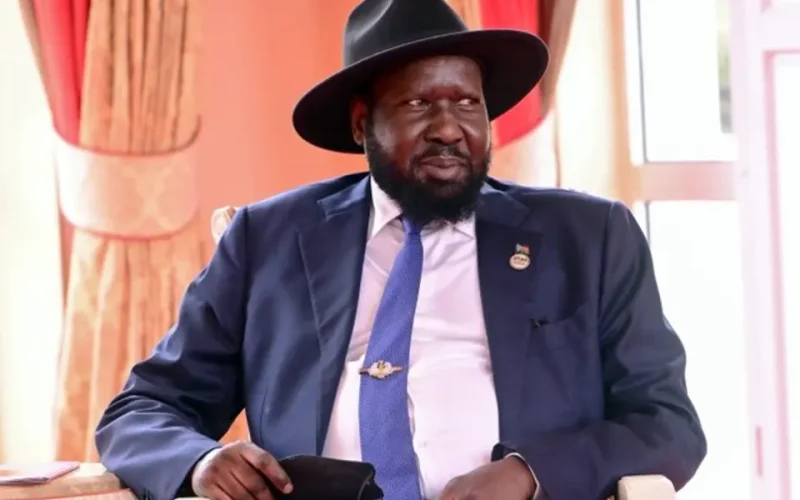
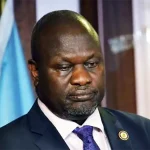
Machar, a longtime rival of Kiir, was reportedly placed under house arrest on March 27 after security forces stormed his Juba residence, disarming his guards and detaining his wife, Angelina Teny, who serves as interior minister. The SPLM-IO party accused Kiir’s government of issuing an arrest warrant without due process, citing unspecified charges linked to clashes in Upper Nile State. The U.S. swiftly condemned the move, urging Kiir to release Machar and prevent further escalation.
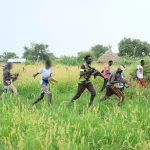
The current turmoil traces back to October 2024, when Kiir dismissed several SPLM-IO officials, including two vice presidents and the intelligence chief, replacing them with loyalists. This power reshuffle reignited simmering distrust between Kiir’s Dinka-dominated forces and Machar’s Nuer-aligned factions, reigniting violence in Nasir County. A militia known as the White Army – historically tied to Machar – captured a military base there in March, prompting government airstrikes and retaliatory sieges.
The conflict threatens to reignite along ethnic lines, with the UN warning of a “dire” situation fueled by hate speech and misinformation. Over 400,000 died in the 2013–2018 civil war, which ended with a peace deal establishing a unity government. Yet elections, repeatedly delayed, now loom in 2026, intensifying political competition. The UN Mission in South Sudan (UNMISS) has sounded alarms, urging Kiir and Machar to prioritise citizens’ welfare over personal ambitions. Nicholas Haysom, UNMISS chief, warned that a relapse into war would “devastate South Sudan and destabilize the region”. Regional mediators, including the African Union, scramble to broker dialogue, but trust between the leaders remains elusive.
South Sudan, already ranked among the world’s least developed countries, faces catastrophic consequences if violence resumes. Half of its population is under 18, and systemic ethnic violence persists. The U.S. and UN now demand restraint, but the clock ticks toward a return to the horrors of 2013 – a cycle of displacement, massacres, and shattered dreams for a nation that once symbolized hope.
South Sudan teeters on brink of collapse as ceasefire frays
 2 Mins Read