
AS Tigrayan regional authorities call on former Tigray Defence Force (TDF) fighters to re-enlist amid mounting fears of a new war, women who served in the militia are speaking publicly for the first time about sexual abuse they suffered at the hands of their own commanders during the 2020-2022 conflict, an investigation by The New Humanitarian has revealed.
For years, attention to wartime atrocities in Tigray has centred almost entirely on abuses committed by Ethiopian federal forces and their Eritrean and Amhara allies as they crushed the rebellion led by the Tigray People’s Liberation Front (TPLF). Largely absent from that reckoning has been the violence Tigrayan women say they endured from the men who commanded them — many of whom they had joined the TDF to escape from in the first place.
Roughly two dozen TDF veterans described a pattern of abuse that was widely known but rarely punished, in a force where women made up an estimated 30 percent of fighters — among the highest proportions of any army in the world.
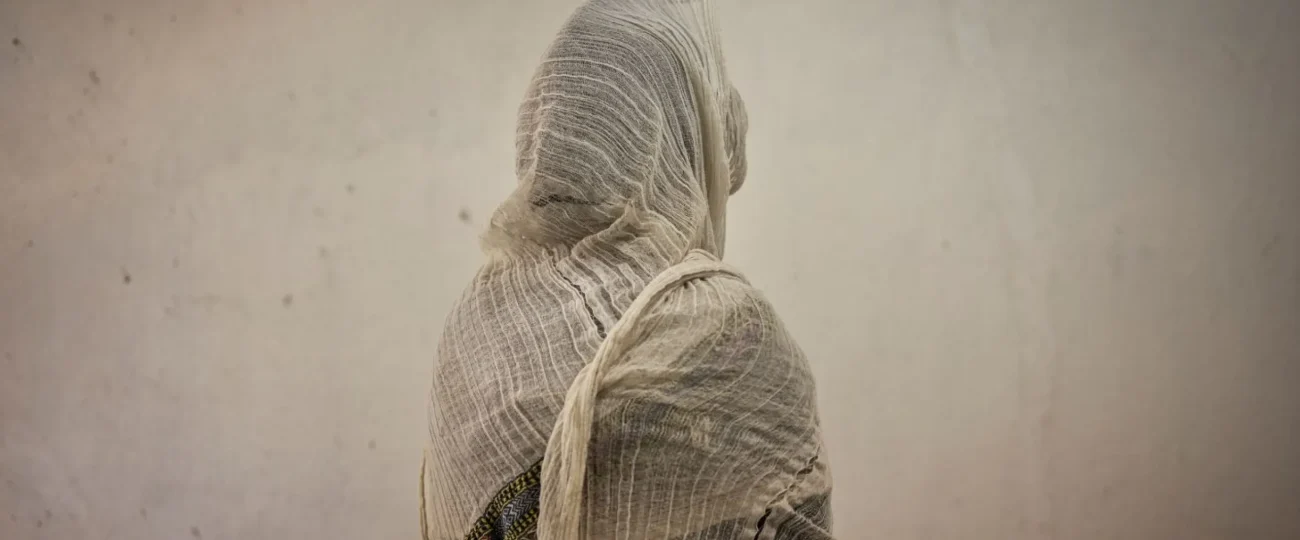
One veteran, given the pseudonym Tirhas to protect her identity, abandoned nursing studies in Mekelle to enlist after witnessing atrocities against civilians in the war’s opening weeks. Months into her service, she was called to a regimental meeting where a visibly shaken young woman stood up and accused a colonel of luring women and girls — some as young as 12 — into the unit under false pretences, then drugging and raping them.
Tirhas was assigned to the regiment’s gender focal team, a structure created to relay women’s grievances up the chain of command, and helped document at least nine victims. Investigators found the colonel was protected by a network of loyalists in logistics and security roles, and that women who resisted him faced retaliation, including one whose son was detained for days. Wounded servicewomen, she said, were at times pulled from treatment and sent back to their units early because the officer feared they would report him.
Other veterans described a wider culture in which senior officers traded safer postings — as radio operators or secretaries — for sex, and punished women who refused with harsher front-line assignments. A senior female officer said colleagues considered it reckless to give women space to voice such grievances at all, warning that doing so could leave them worse off if it reached commanders.
The TDF’s gender focal person system, formalised in August 2021, was meant to guarantee at least one designated liaison for women at every unit level. In practice, veterans said, it was under-resourced, inconsistently applied, and left those who raised complaints exposed to informal retribution. Some commanders and former officials interviewed said the top-down leadership prioritised projecting unity over confronting misconduct within its own ranks, wary that admitting such abuse would hand a propaganda advantage to Ethiopian and allied forces already accused of using rape as a weapon of war.
Tirhas’s case was one of the rare ones to reach prosecutors: the accused colonel and several accomplices were eventually arrested after a general intervened. He was released early only when the town holding him faced capture by advancing forces, and did not return to active command — but Tirhas and her fellow investigators say they were later targeted with threats they believe were organised from prison.
The stalled implementation of the 2022 Pretoria peace agreement has left close to a million Tigrayans displaced, many in women-headed households vulnerable to exploitation, while renewed political fracturing in the interim administration raises the prospect of a wider war drawing in the federal government and Eritrea. Activists in Mekelle say gender-based violence is now raised almost exclusively as a political weapon against rivals rather than as a matter of justice in its own right.
Veterans and rights advocates argue that any credible transitional justice process for Tigray must confront the full range of harm inflicted on its women — including abuse carried out not only by the enemy, but by the men who fought beside them.