THE marble corridors of the Justice Department have witnessed many political storms, but few as personally threatening to a sitting president as the one now engulfing US President Donald Trump. What began as a routine review of closed files has exploded into the most serious internal revolt of Trump’s presidency, threatening to fracture the very movement that carried him back to power.
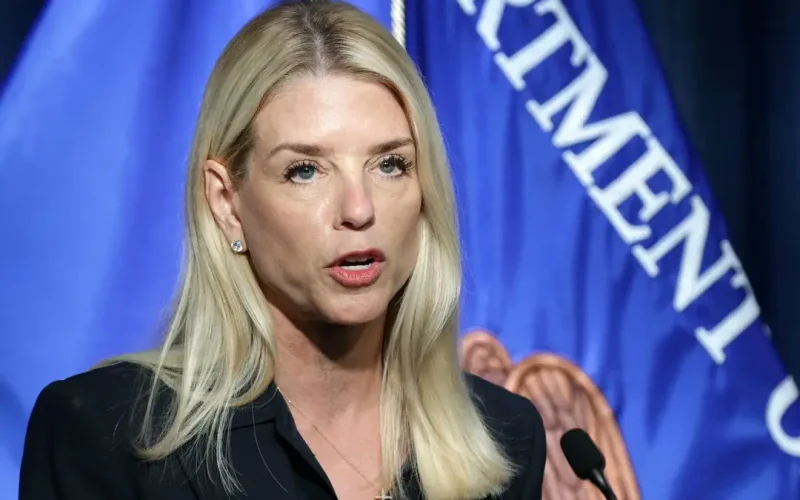
It started with a promise that seemed politically safe. Attorney General Pam Bondi, appearing on Fox News in February, had boldly declared that Epstein client lists were “sitting on my desk right now.” The pledge to release “a lot of names” and “a lot of flight logs” electrified Trump’s base, many of whom had long believed in elaborate conspiracy theories about elite pedophile rings operating at the highest levels of government.
But promises made in the heat of political theatre have a way of becoming traps. When the Justice Department and FBI released their memo on July 6, concluding that no client list existed and no evidence supported blackmail theories, the reaction was swift and furious. The very supporters who had cheered Bondi’s promises now turned on her with unprecedented venom.
The revolt began in the digital trenches where Trump’s movement was born. On Truth Social, Telegram channels, and in the sprawling ecosystem of MAGA media, the president’s most loyal supporters began questioning not just Bondi but Trump himself. The conspiracy theories that had once been weapons against his enemies were now being turned inward.
“We’re done being lectured,” became the rallying cry, echoing from conservative conferences to Capitol Hill. At the Student Action Summit, the anger was palpable as Trump supporters openly questioned whether their president was protecting the very elites they believed he was fighting against.
The president’s response only poured gasoline on the fire. Calling the controversy the “Epstein hoax” and denouncing his supporters as “weaklings,” Trump appeared to misread the mood of his base fundamentally. These weren’t casual supporters he could dismiss—these were the true believers who had sustained him through impeachments, indictments, and electoral defeats.
The Maxwell Gambit
With his presidency under siege from within, Trump turned to a desperate gambit. Deputy Attorney General Todd Blanche’s announcement that he would meet with Ghislaine Maxwell represented a dramatic escalation—and a significant risk. The meeting, unprecedented in its public nature, was clearly designed to appease the growing revolt.
“This Department of Justice does not shy away from uncomfortable truths,” Blanche declared, but the subtext was clear: the administration was scrambling to contain a political crisis that threatened to consume it.
The decision to engage Maxwell directly was fraught with danger. Every word exchanged in that prison meeting would be scrutinised, analysed, and potentially weaponised. If Maxwell provided new information, it could vindicate the administration’s approach. But if she offered nothing substantial, or worse, if the meeting itself became controversial, it could deepen the crisis.
Congressional Chaos
The political earthquake had already reached Capitol Hill. House Speaker Mike Johnson’s decision to cancel legislative business rather than face a vote on releasing Epstein files was a stunning admission of the issue’s political toxicity. The spectacle of a Republican-controlled House unable to function because of pressure from the president’s own base was unprecedented.
Democratic leaders, sensing blood in the water, gleefully seized on the chaos. The party that had spent years defending institutions against Trump’s attacks now watched those same institutions buckle under pressure from his supporters.
The Loyalty Test
What made this crisis unique in Trump’s tumultuous political career was its source. Previous scandals had been driven by external enemies—the media, Democrats, and prosecutors. This time, the attack was coming from within, from the very people who had elevated him to demigod status within conservative politics.
The Epstein controversy had become a loyalty test, but not in the way Trump intended. Instead of testing his supporters’ loyalty to him, it was testing his loyalty to the conspiracy theories and grievances that defined his movement. And increasingly, his base was finding him wanting.
The irony was bitter: Trump, who had built his political career on questioning official narratives and promising to expose hidden truths, was now in the position of defending official conclusions and asking his supporters to trust government investigators.
The Broader Stakes
Beyond the immediate political drama lay deeper questions about the nature of Trump’s coalition. The MAGA movement had always been held together by shared enemies and shared grievances more than by policy positions. Now, with Trump in power and asking his supporters to moderate their demands, the fragile bonds were showing signs of strain.
The Epstein files controversy revealed the fundamental tension at the heart of Trump’s political project: how do you govern with a coalition built on distrust of government? How do you lead people who have been trained to question everything, including you?
An Uncertain Resolution
As Blanche prepared for his meeting with Maxwell, the political stakes could not be higher. The future of Trump’s presidency might well depend on what happens in that sterile prison meeting room. Can Maxwell provide enough information to satisfy the president’s restless base? Will the gesture of transparency be enough to heal the rift?
The answers remain unclear, but one thing is certain: the Epstein files controversy has exposed vulnerabilities in Trump’s political armour that his enemies had never managed to find. The president who once seemed politically invincible now faces the most dangerous threat of all—a revolt from his own people.
In the coming days, as the political drama continues to unfold, one question looms larger than all others: Can Trump survive a war with his own base? The answer may determine not just the fate of his presidency, but the future of the movement that bears his name.
The marble halls of justice have seen many political reckonings, but few as consequential as the one now beginning. In seeking to expose the truth about Jeffrey Epstein, Trump’s supporters may have inadvertently exposed the limits of their leader’s power—and perhaps begun the process of his undoing.