UNITED Nations demining programs are facing severe funding shortfalls that threaten to close operations in Afghanistan, Nigeria and Ethiopia by March, leaving vulnerable populations exposed to deadly explosives, UN officials warned Wednesday.
Speaking at an international meeting on landmine action in Geneva, mine clearance experts detailed the devastating human toll across conflict zones, with children accounting for 46 percent of all casualties in 2024.
The situation in Afghanistan is particularly dire, where 77 percent of casualties last year were children, according to the UN-partnered Landmine Monitor report.
“It tends to be kids, mostly boys in the hills tending sheep and goats, and they are picking up things of interest and playing with them or throwing stones at them and killing or injuring themselves,” said Nick Pond, who heads mine action at the UN Assistance Mission in Afghanistan.
Some 54 people are killed monthly by explosive remnants in Afghanistan, which has the world’s third-highest casualty rate. Since 1999, more than 30,000 children have been killed or injured.
Yet demining teams have shrunk dramatically. “In 2011, there were 15,000 people working in demining, and now we’ve got about 1,300,” Pond told reporters.
Christelle Loupforest, UNMAS Representative in Geneva, said programs in Afghanistan and Nigeria face imminent closure without fresh donor support. “It’s the same for our programme in Ethiopia,” she added.
In Sudan, just five UN Mine Action Service clearance teams are operating, all concentrated in Khartoum, where 1.5 million civilians have returned amid ongoing fighting between the Sudanese Armed Forces and Rapid Support Forces.
“Lots of accidents happened already, and it’s very, very clear: unexploded ordnance is not different from Afghanistan or Syria or Nigeria,” said Sediq Rashid, UNMAS chief in Sudan.
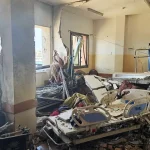
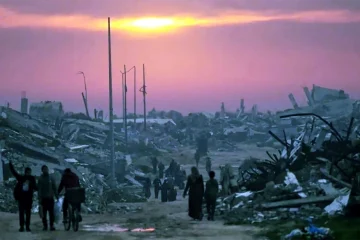
In Gaza, two years of intensive combat have left an “absolutely immense” level of contamination, said UNMAS chief Julius Van Der Walt. Residents are being injured “simply by collecting basic necessities on a day-to-day basis,” while families “have no choice” but to shelter in areas suspected of containing explosives, he said.
The UN Secretary-General launched a mine action campaign in June 2025, calling for strengthened international disarmament efforts to protect civilians from explosive ordnance.