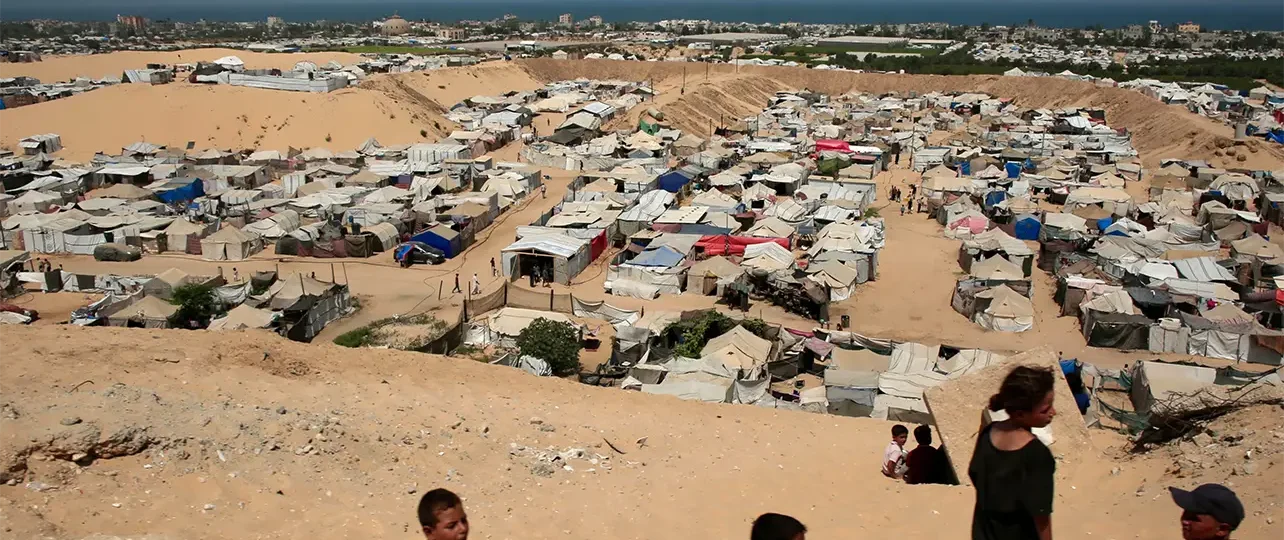

THE United Nations Human Rights Office has documented severe humanitarian conditions in Gaza, where Palestinians face deadly risks while seeking basic necessities amid ongoing displacement orders and restricted aid access.
“The Israeli military has also continued to issue displacement orders for Palestinians, including those in Gaza City, telling them to move to the Al Mawasi area, even as strikes on this area continue. On 16 and 17 August, we recorded five attacks on tents of internally displaced people in Al Mawasi, killing at least nine people,” Al-Kheetan said.
“Hundreds of thousands of Palestinians displaced to Al Mawasi have little or no access to essential services and supplies, including food, water, electricity and tents,” the spokesperson highlighted.
Widespread Starvation Risk
“The risk of starvation is everywhere in Gaza. This is a direct result of the Israeli Government’s policy of blocking humanitarian aid. In the past few weeks, Israeli authorities have only allowed aid to enter in quantities that remain far below what would be required to avert widespread starvation,” he said.
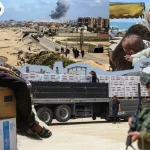
“Reaching the meagre supplies available can be a deadly pursuit. Since 27 May and up until 17 August, we have documented that 1,857 Palestinians were killed while seeking food, including 1,021 killed in the vicinity of the Gaza Humanitarian Foundation sites, and 836 killed on the routes of supply trucks. Most of these killings appear to have been committed by the Israeli military,” Al-Kheetan said.
The report highlights the dangerous contradiction facing Gaza’s population: being ordered to relocate to areas that remain under attack while simultaneously facing severe restrictions on humanitarian aid access.