AS cold winter weather arrives in many parts of the world, UNHCR, the UN Refugee Agency, is working to protect the forcibly displaced through the cold months. At this time of the year, your donations can make all the difference to help protect people who are already vulnerable.
Here are the stories of some of those forced to flee as winter approaches.
Afghanistan: living in a cave
In Afghanistan, and neighbouring countries including Pakistan, families have been subjected to decades of conflict, poverty, and hunger, as well as recurring natural disasters. To protect people from the region’s harsh winters, UNHCR is building shelters, providing heaters to keep people warm, and supporting families with cash assistance to help them buy food, clothes, and fuel for heating.
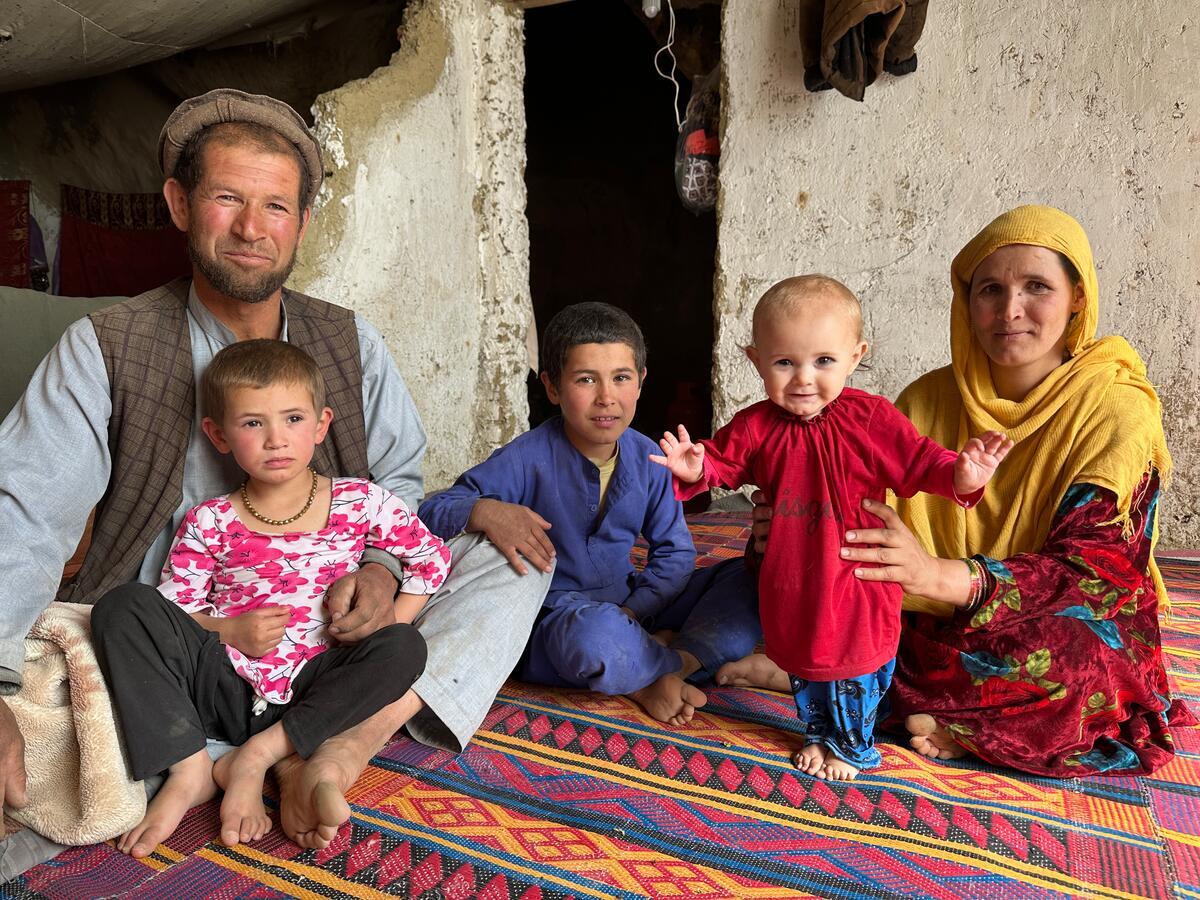
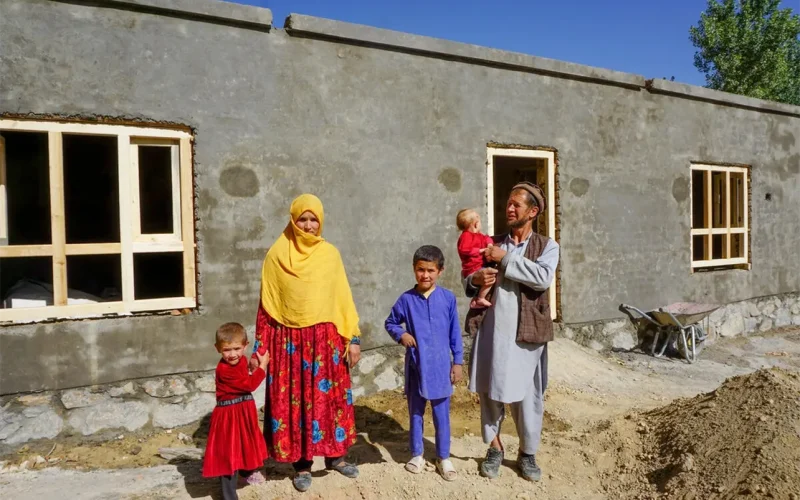
Zamir, 45, his wife Mahdouba and their five children have lived in a cave in Afghanistan’s mountainous central Bamyan Province for the past two years but, as winter sets in, they are at last able to move into a new permanent home provided by UNHCR.
“I’m very happy to be moving,” Zamir said. “I’m also happy to move before winter: it will be warm and more comfortable for us.”
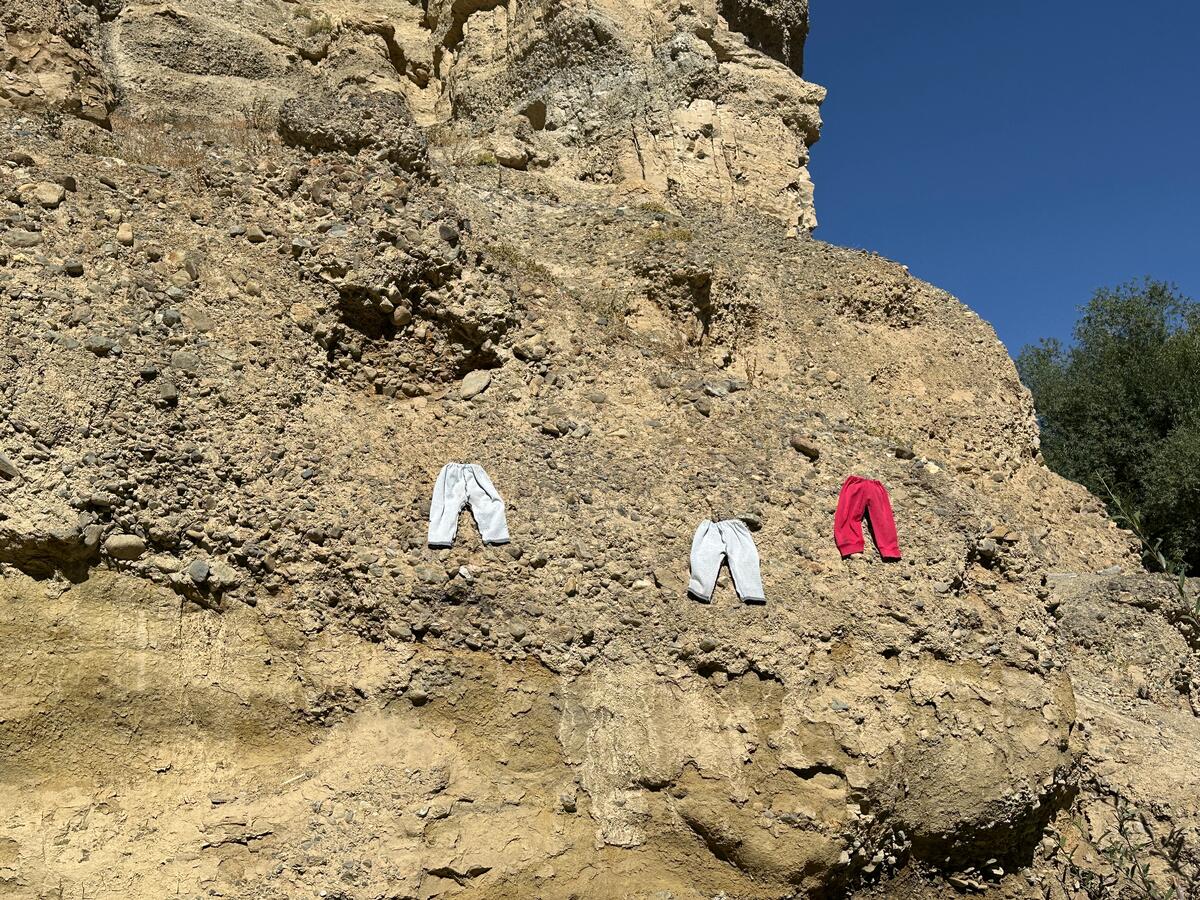
The family were first forced to flee in 2019 when heavy fighting erupted close to their village. When they returned, they found that their home had been destroyed. Zamir worked as a day labourer but his meagre earnings were not enough to cover the cost of rented accommodation, so the family had no option but to move into a nearby cave.
It has been a perilous existence at the best of times, constantly navigating steep cliffs and narrow paths, and being exposed to the elements, but in the winter the situation worsened. “There is a high risk of rocks falling from the cliffs during rain and snow, and it can be very dangerous,” Zamir said.
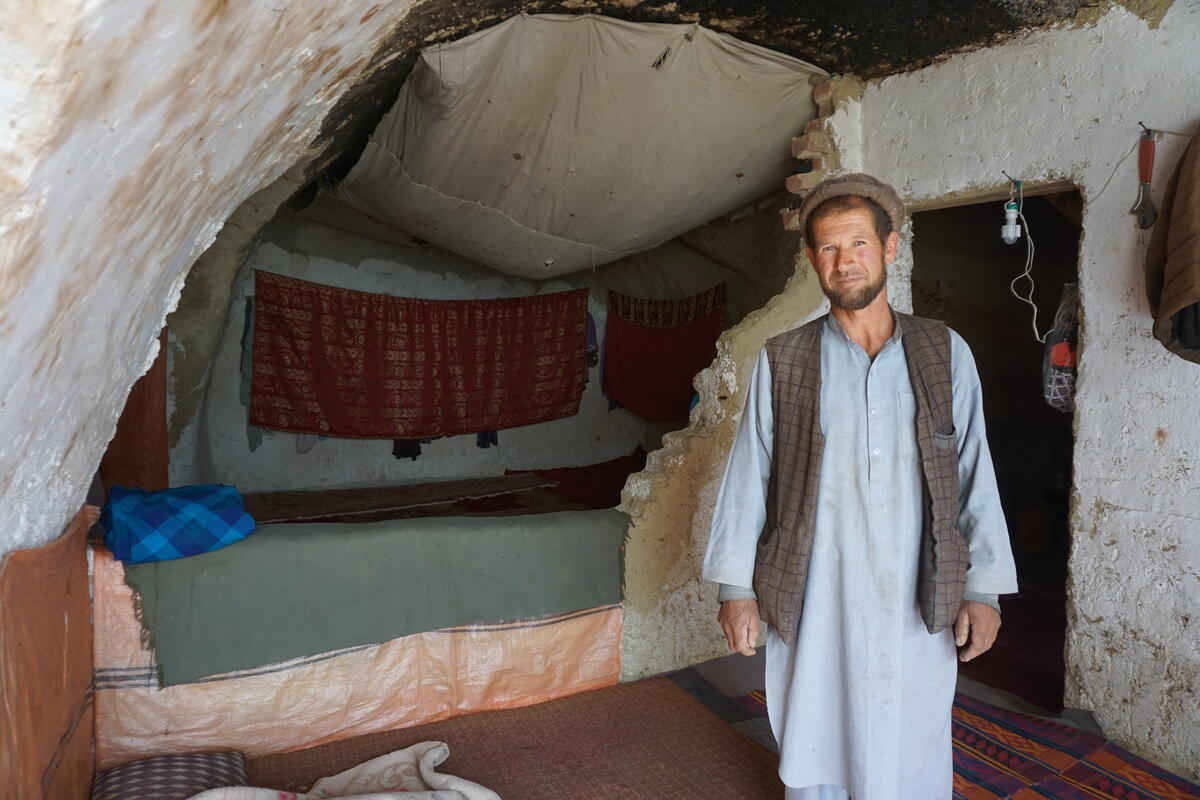
Mahdouba said she once fell and broke her leg. “The most difficult thing about living here has been having to bring the water up from the stream. In the winter, it is snowy and slippery and there are many problems when we go outside.”
Worse still, she said, was constantly fearing for her children. “I was always scared the children would fall,” she said. “We will be much safer in our new home.”
Safer and warmer. The family’s new two-roomed house has a traditional bukhari wood-burning stove, a bathroom and solar panels for electricity. “It will be warm and more comfortable,” said Zamir. “We will have a better life inside this new home.”
Ukrainian refugees: another winter away
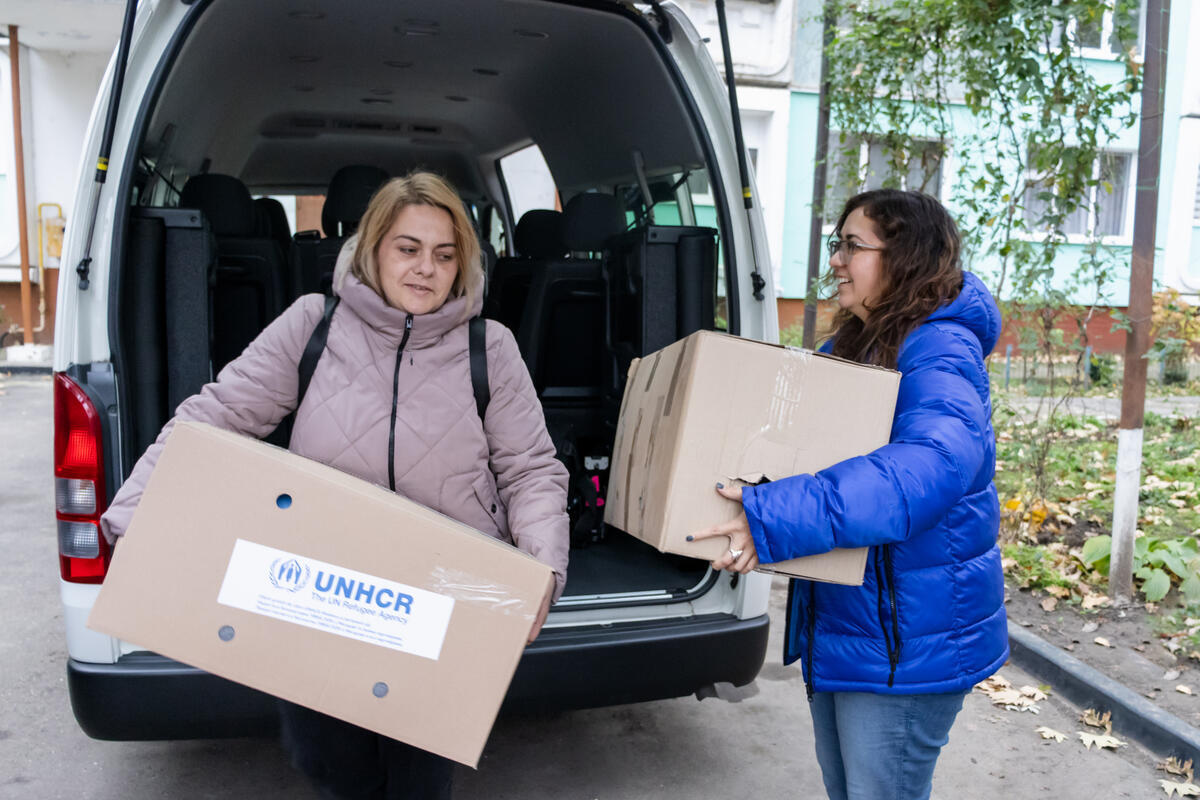
Since the full-scale invasion of Ukraine, millions of people have fled their homes, and face winters in temporary accommodation. In Ukraine, UNHCR is repairing war-torn buildings, distributing insulation kits, and helping families with emergency cash support. In neighbouring countries like Moldova, UNHCR is helping refugees to integrate into communities, as well as helping them to find jobs to rebuild their lives.
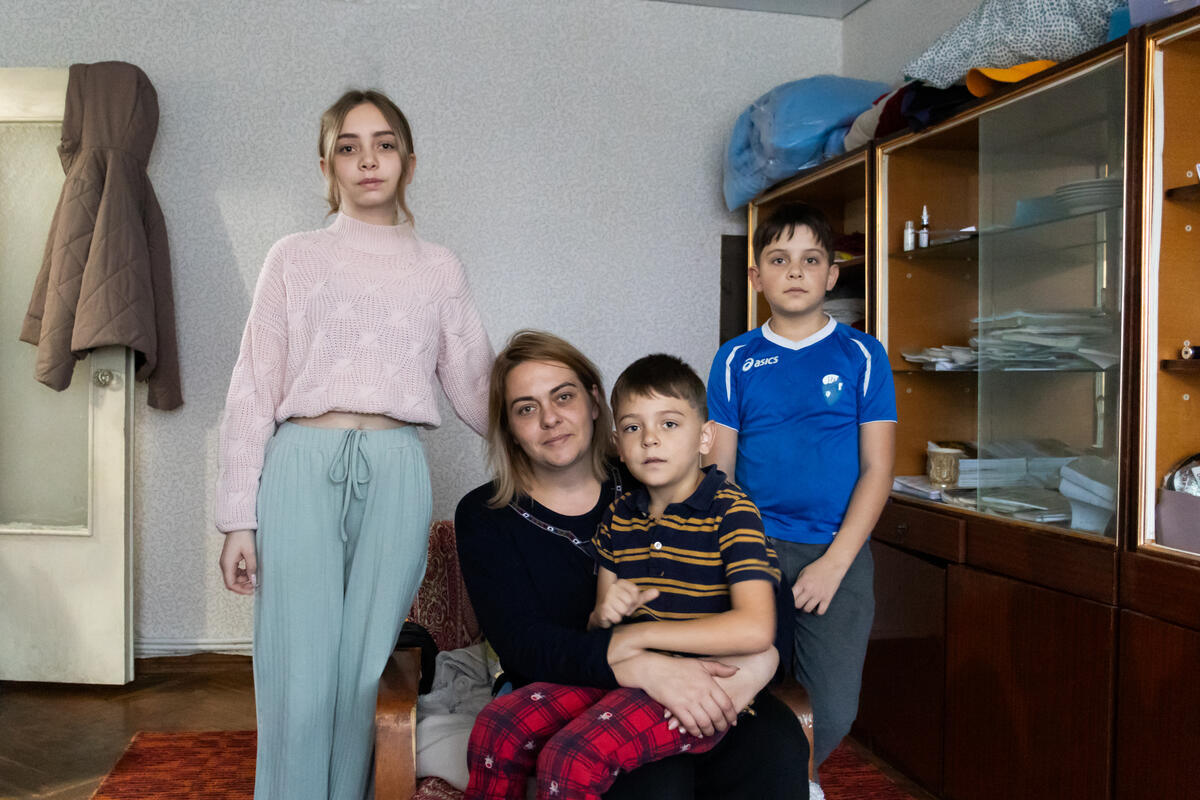
Olga fled Ukraine with her pensioner mother and toddler son after Russia’s full-scale invasion of Ukraine in 2022, escaping by bus from their hometown of Mykolaiv in the country’s south and finding safety in neighbouring Moldova.
This is their third winter as refugees. “Winter is beginning and, unfortunately, we’re not just contending with rent payments, but also with high utility costs,” said Olga. “We only heat our apartment briefly – just enough to take off the chill – it’s on the ground floor, which makes it especially cold and damp, and this is a real struggle for us.”
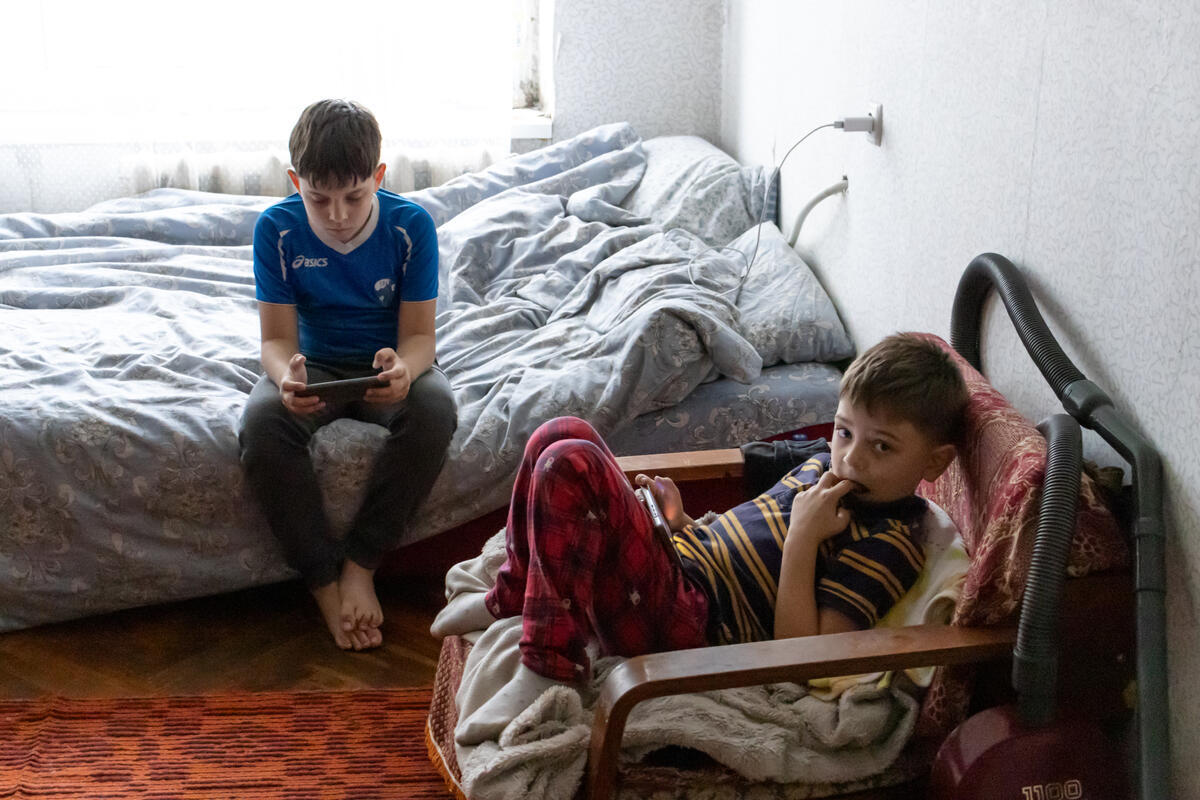
In Moldova, UNHCR is working with local partners to deliver seasonal relief packages at community centres across the country. At the Ungheni Community Centre, where Olga visited recently, packages including sheets, blankets and quilts were handed out, as well as solar lamps and family hygiene kits containing essentials such as washing detergent, toothpaste, sanitary napkins and soap.
“This assistance is very important for us, particularly because we urgently needed cleaning supplies, hygiene products and bedding,” Olga said.
Despite being safe away from the ongoing war, and grateful for the support she has received from aid organizations, charities and Moldovan people, Olga, like many of the nearly 10 million displaced Ukrainians around the world, hopes this winter away from home will be her last.
“My only hope is to return home as soon as possible. We’ve come to appreciate it here – the people are warm and welcoming – but there is always still the longing to go home.”
Syrian refugees: freezing nights
Ghasiba was a farmer and carpet weaver in the southern Syrian city of Daraa before conflict forced her to flee to neighbouring Jordan where the 56-year-old has lived since 2012, in the Zaatari refugee camp alongside tens of thousands of other displaced Syrians.
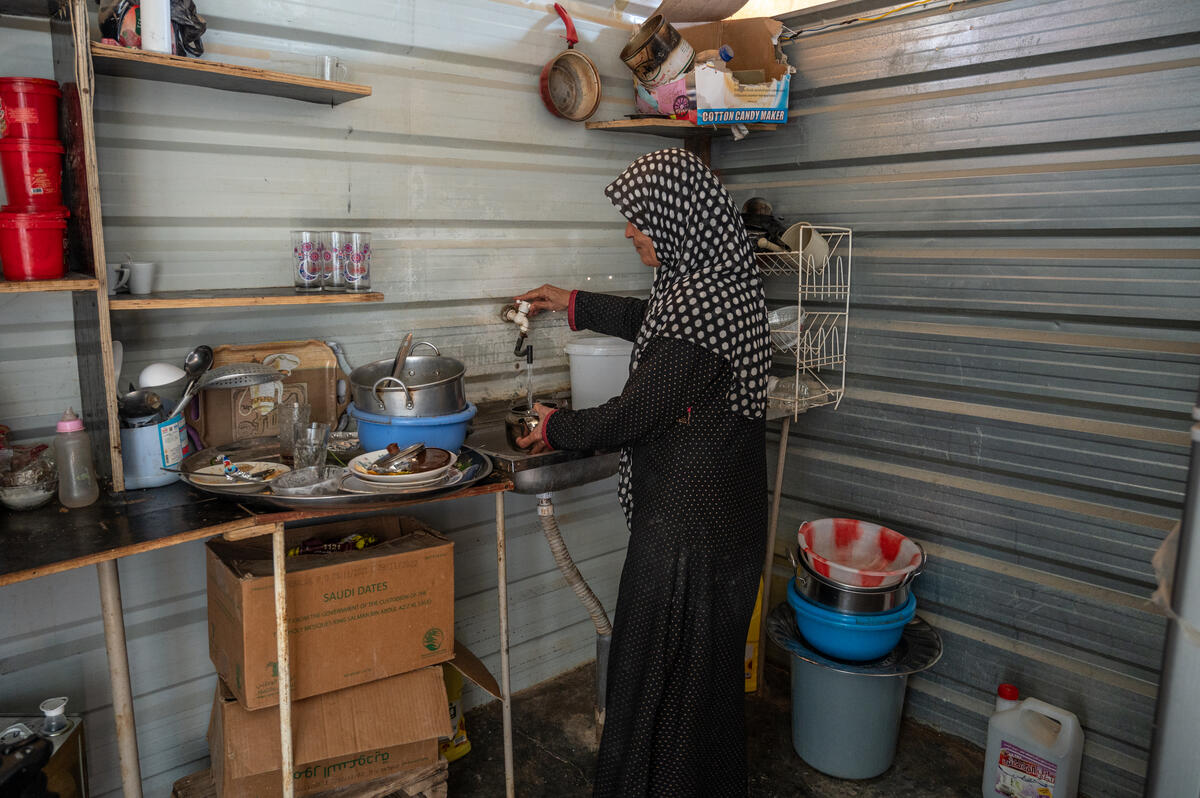
While her own three children are grown up, Ghasiba helps look after some of her grandchildren.
“I thought that I had completed my duty, as I raised my children and brought them to safety here in Jordan, but God had another plan for me,” she said. “My eldest son separated from his wife and now I have ended up raising his three little girls. I am thankful to God for this mission.”
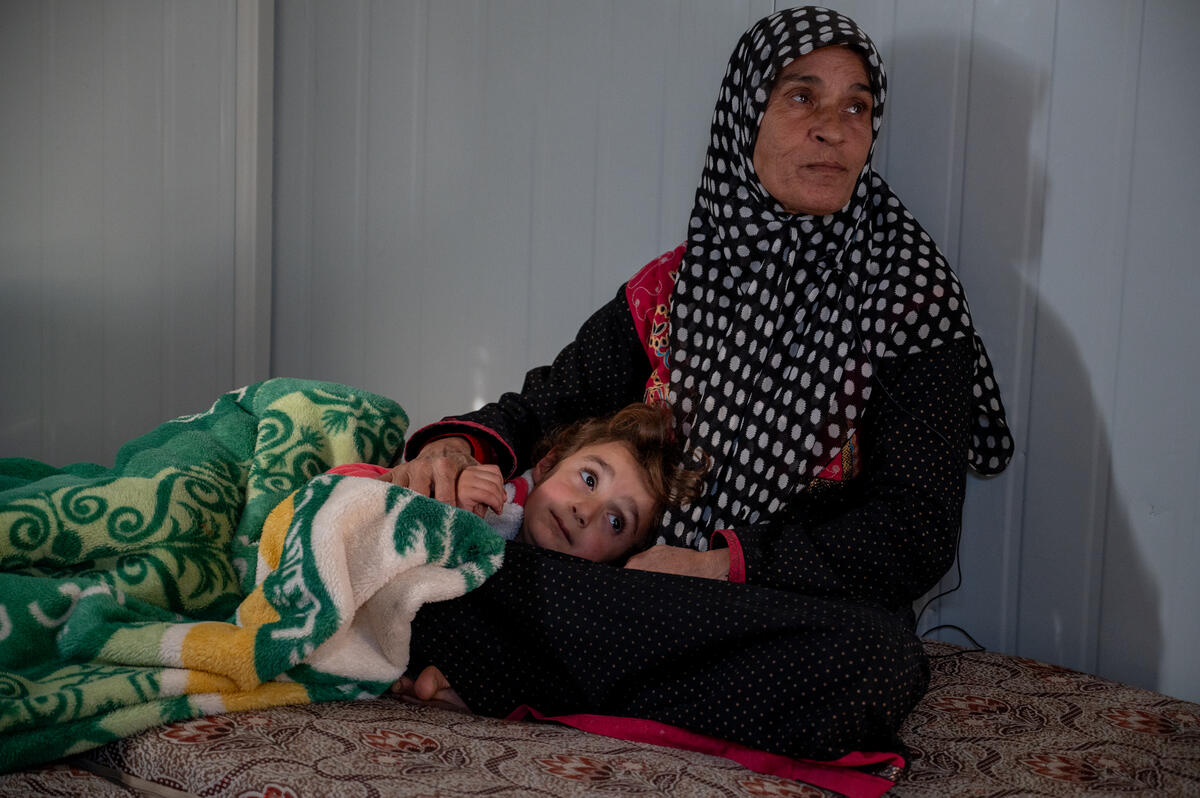
But being thankful does not make it easy, particularly when winter comes. “Winters here are very cold,” Ghasiba said. During the “freezing” nights she gives the girls her only blanket to help keep them warm. “I stay without a blanket because I worry about them getting sick from the cold.”
Recently, their situation was improved when UNHCR repaired the leaky roof of her shelter to help keep out the rain.
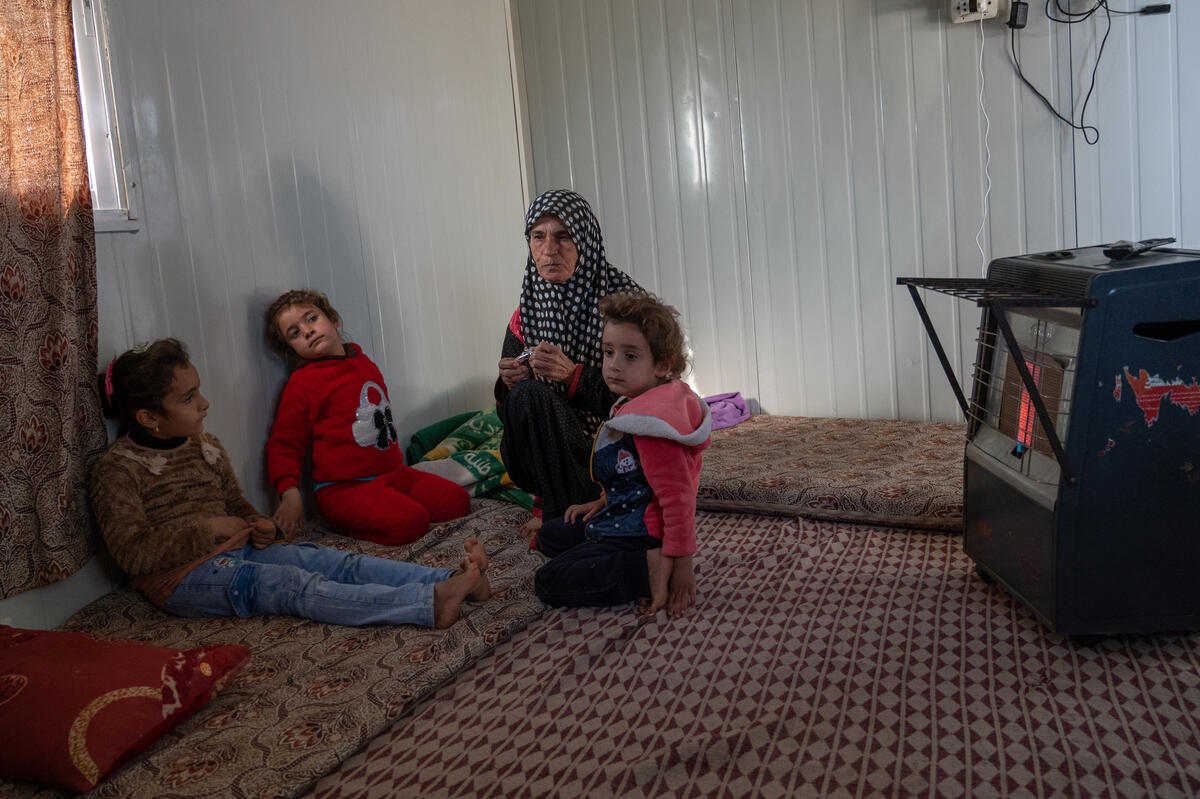
Her son is a construction worker, but jobs are scarce – especially during the winter months – and money is always tight. “When the cold is unbearable, I turn on the heater,” she said, but her granddaughters beg her to switch it off to save gas. “They hope that if we use less gas, then their father would not have to work so much, and they could see him more.”
With what little money they have, Ghasiba prioritizes buying milk for her youngest grandchild – she describes her as “my heart, my soul” – and her hopes for the immediate future are modest. “My wish is that the girls are able to live in better conditions, in a warm room. I don’t want to see them shaking from the cold or going hungry.”