UGANDA, Africa’s largest refugee host, is experiencing a sharp increase in Congolese refugees crossing its western border due to escalating insecurity in the eastern Democratic Republic of the Congo, the UN Refugee Agency (UNHCR) reported.
“Since January, over 41,000 Congolese have sought safety in Uganda, bringing the total number to nearly 600,000 Congolese refugees in the country,” said Matthew Crentsil, UNHCR Representative in Uganda, at a press briefing at the Palais des Nations in Geneva. “This is creating an untenable situation as Uganda already hosts 1.8 million refugees, including over 70,000 who have fled the two-year-long war in Sudan.”
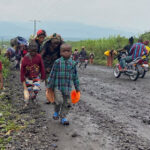
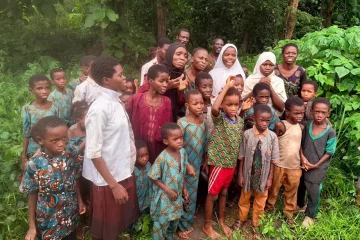
Crentsil noted that in the past two weeks alone, an average of 600 people have been crossing into Uganda daily, with children particularly vulnerable.
“Many children are arriving in a weakened state with high rates of malaria and malnutrition,” he said. “Since January, we’ve recorded up to nine deaths of children under five from malnutrition-related anaemia in just two transit centres in the southwest.”
According to Crentsil, new arrivals – predominantly women and children – are entering Uganda through three main points: Bunagana in Kisoro district, Butogota in Kanungu, and Sebagoro in Kikuube.
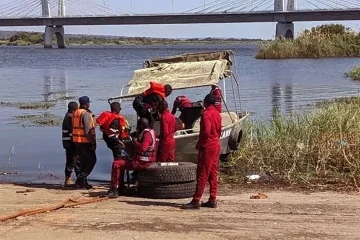
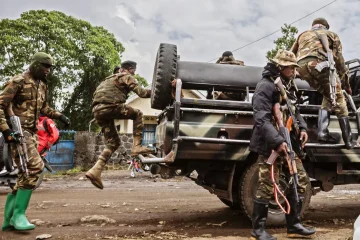
“Many have witnessed killings, sexual violence, and other traumatic experiences during their flight,” he explained. “In Kikuube, nearly 4,000 refugees have crossed Lake Albert to reach Uganda in precarious conditions, travelling for hours in overcrowded boats during challenging weather.”
The UNHCR representative highlighted concerning reports of men travelling separately from their families to avoid forcible recruitment by armed groups.
Transit facilities are overwhelmed, with Nyakabande Centre now hosting over 7,000 refugees – six times its initial capacity. With the rainy season beginning, all available spaces, including kitchens and registration areas, are being used to accommodate refugees.
“Critical shortages of water, latrines, and bathing facilities, particularly at the Matanda and Nyakabande transit centres, are putting people at dire risk of deadly diseases,” Crentsil warned. “In Matanda alone, 150 additional latrines are needed to reach minimum humanitarian standards.”
The refugee crisis is compounded by severe funding shortfalls that have forced cuts to essential services across Uganda’s refugee response.
“We’ve had to close some health facilities and reduce our workforce by approximately 250 health workers,” said Crentsil. “All 332 early childhood caregivers have been discontinued, along with reductions in teachers and school assistants. Shelter construction for vulnerable individuals has been halted, and a 30 percent fuel reduction for partner vehicles is hindering logistics and service delivery.”
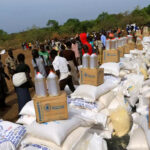
Despite these challenges, Crentsil outlined ongoing response efforts: “Uganda’s Office of the Prime Minister, with UNHCR support, is registering new arrivals, conducting health screenings, and providing cholera prevention medication. At transit centres, we’re offering sleeping space, hot meals, safe water, and essential relief items like blankets and soap.”
He added that approximately 3,000 people are being relocated weekly from transit centers to existing refugee settlements, but emphasized that the funding shortage is significantly hampering the humanitarian response.
“We’re scaling back standard protection activities such as legal aid and safe spaces for children to prioritize the most critical needs,” Crentsil said. “While we’ll maintain focus on border monitoring, registration, managing transit centres, and supporting vulnerable groups including children and survivors of gender-based violence, urgent funding is absolutely critical to maintain and expand these services.”