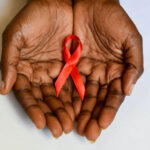
The sudden freeze in US foreign assistance has sent shockwaves through the global HIV/AIDS response, threatening to unravel decades of progress in the fight against one of humanity’s deadliest epidemics. “This isn’t just about numbers on a spreadsheet – it’s about lives hanging in the balance,” warns Christine Stegling, UNAIDS Deputy Executive Director, her voice carrying the weight of twenty million stories – each one a person depending on US aid for their very survival.
While an Emergency Humanitarian Waiver offers a temporary lifeline, ensuring critical medication continues flowing for 90 days, the ground beneath the global AIDS response is shifting dangerously. Community health services – the beating heart of the response – are already crumbling. In Ethiopia alone, 5,000 public health workers and 10,000 data clerks have lost their jobs, leaving gaping holes in the front lines of care.
The stakes couldn’t be higher. Without PEPFAR reauthorization between 2025 and 2029, and in the absence of alternative funding, we face a humanitarian catastrophe: 6.3 million AIDS-related deaths – a staggering 400 percent increase. “US foreign aid has been more than just financial support,” echoes Richard Lusimbo, Director of the Ugandan Key Populations Consortium. “It has been a lifeline in our fight against HIV/AIDS, discrimination, and systemic inequalities.”
Yet amidst this darkness, a ray of hope emerges. In 2024, breakthrough long-acting medicines have shown over 95 percent effectiveness in preventing new HIV infections – a potential game-changer in the global fight. But this promise hangs precariously in the balance, dependent on sustained global commitment and solidarity.
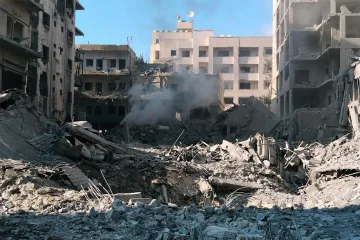
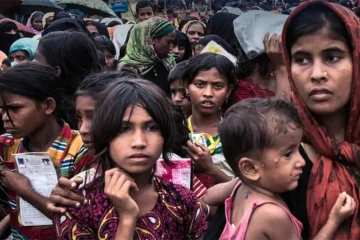
The funding gap is stark: $8 billion short in 2024 alone. Meanwhile, ten million HIV-positive individuals still lack access to any treatment whatsoever. As global conflicts multiply, further straining resources and disrupting care networks, the international community faces a critical crossroads: step up now, or watch decades of progress slip away.
The clock is ticking toward 2030 – the target year to end AIDS as a global health threat. The question now isn’t just about funding; it’s about whether the world will choose to stand together in this crucial moment, or let millions of vulnerable lives fade into the shadows of history.