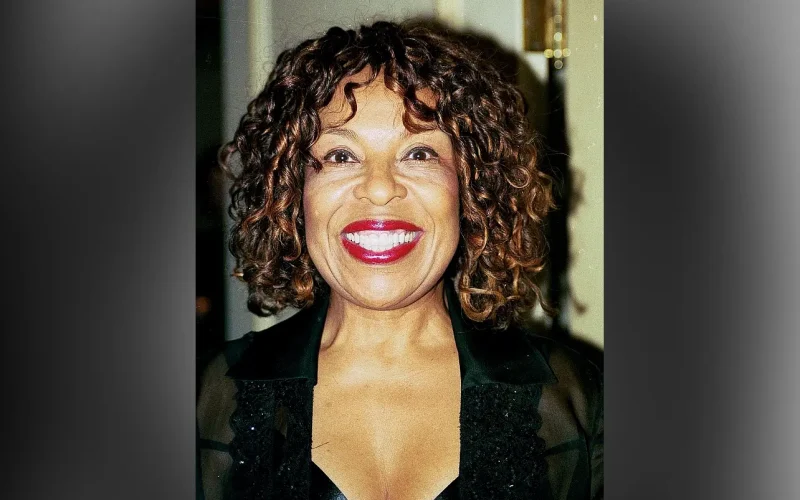
ROBERTA Flack, the legendary singer-songwriter whose soulful voice and timeless classics have inspired generations across Africa, the United States, and the world, left this earth on February 24, 2025, at the age of 88. Her passing marks the end of an era, but her music will forever remain a testament to her enduring legacy.
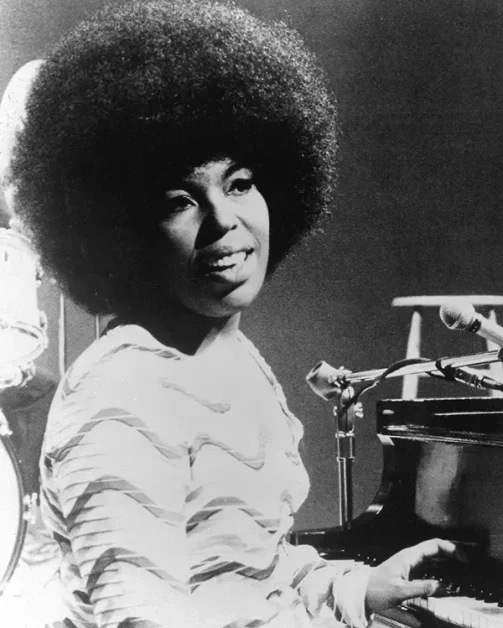
Born on February 10, 1937, in Black Mountain, North Carolina, Roberta grew up in a musical family in Arlington, Virginia. Her mother, a church organist, instilled in her a love for music from a very young age. By nine, Roberta was already playing the piano, and her talent earned her a full scholarship to Howard University at just 15. There, she honed her skills as a classical pianist and vocalist, eventually becoming an assistant conductor of the university choir.
Roberta’s journey into the spotlight began in the late 1960s when jazz pianist Les McCann discovered her performing at Mr. Henry’s Restaurant on Capitol Hill. This encounter led to her signing with Atlantic Records in 1969. Her debut album, First Take, released in 1970, was a blend of soul, folk, and jazz that set the stage for her future success.
However, it was her rendition of “The First Time Ever I Saw Your Face” in Clint Eastwood’s 1971 film Play Misty For Me that catapulted her to fame. The song reached number one on the Billboard charts in 1972, followed by another iconic hit, “Killing Me Softly With His Song,” which topped the charts in 1973. These songs not only showcased her incredible vocal range but also cemented her status as a trailblazer in the music industry.
Roberta Flack’s music was more than just a collection of hits; it was a reflection of her soul. Her voice had a way of transcending genres, blending elements of jazz, gospel, soul, and folk to create a unique sound that resonated with listeners worldwide. Her duets with Donny Hathaway, such as “Where Is the Love” and “The Closer I Get to You,” remain timeless classics that continue to inspire new generations of musicians.

Beyond her music, Roberta was a dedicated educator and social advocate. She used her platform to address social issues and support causes close to her heart. Her commitment to empowering others through music and education has left a lasting impact on the world.
In her later years, Roberta faced significant health challenges, including a stroke in 2016 and a diagnosis of ALS in 2022, which made it impossible for her to sing. Yet, even in the face of adversity, she remained a beacon of hope and resilience, inspiring countless fans with her courage and determination.
As news of her passing spread, tributes poured in from around the globe, celebrating her life, legacy, and the indelible mark she left on the music world. Roberta Flack may have left us, but her music will continue to inspire, heal, and bring people together for generations to come.
In the words of those who knew her, Roberta was more than just a legendary singer; she was a true icon, a socially relevant and politically unafraid artist who embodied the essence of soul music. Her legacy will live on through the countless lives she touched and the timeless songs that will forever be etched in our hearts.
Rest in peace, Roberta Flack. Your voice may be silenced, but your music will forever echo through eternity.