THERE is something wonderfully, gloriously South African about a national honours ceremony where the living share the stage – and the citation scrolls – with the dead.
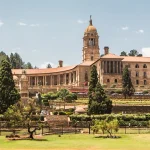
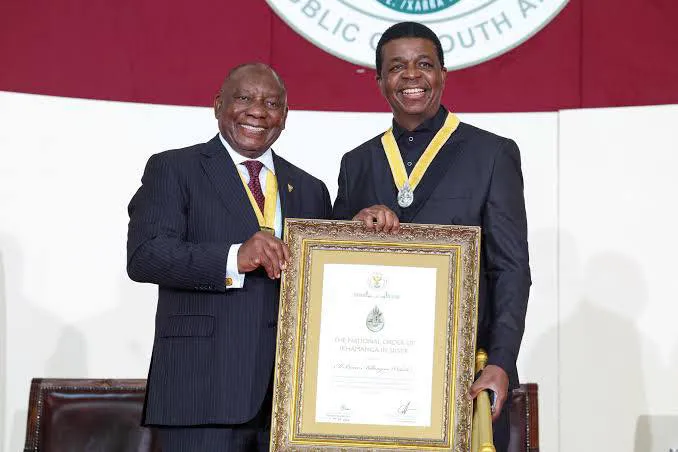
At Sefako Makgatho Guest House in Tshwane on Tuesday morning, President Cyril Ramaphosa presided over what amounted to a national reckoning with the country’s creative conscience. Part investiture, part séance, part jazz festival in absentia, the 2026 presentation of National Orders reminded South Africans of something they periodically forget: this is a country of staggering, embarrassing, almost unreasonable cultural wealth.
The ancestors, it must be said, were the stars of the show.
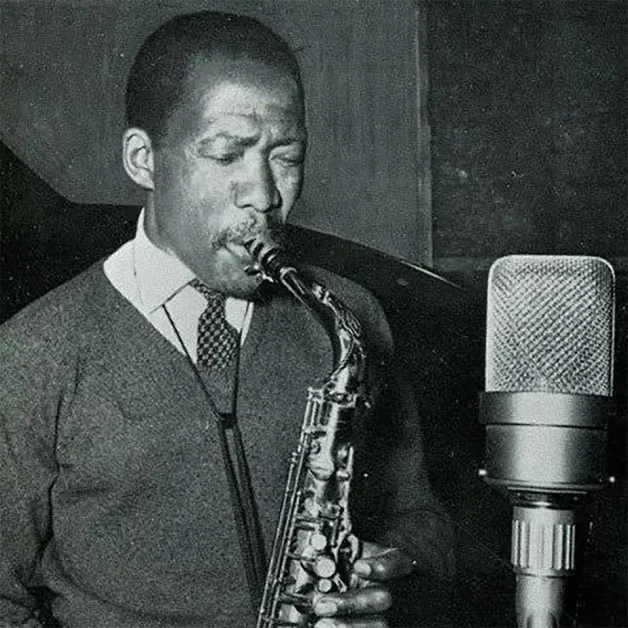
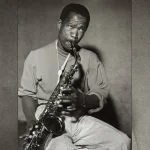
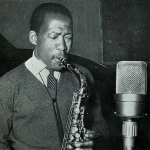
Kippie Moeketsi – the alto saxophonist whose playing once made Hugh Masekela weep and whose influence on South African jazz was so total that jazz historians still argue about whether post-Kippie South African jazz is a continuation or merely a long, respectful echo – received the Order of Ikhamanga in Gold. Posthumously, naturally. South Africa, being South Africa, waited until the man had been in the ground for decades before deciding he was worth a gold medal. The country’s relationship with its jazz giants has always been complicated by timing.
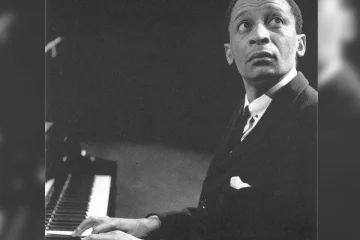
Moeketsi has company in the celestial green room. Todd Matshikiza – journalist, composer, jazz pianist, and the man who gave South Africa King Kong, arguably the most important musical theatre production this country has ever produced – also received Ikhamanga in Gold. Matshikiza wrote his great works, fled into exile, and died in Zambia in 1968 at the age of forty-one. The gold medal arrives fifty-eight years later. Better late, one supposes, than never.
Then there is Queeneth Ndaba, the guardian angel of Dorkay House, that cramped, improbable, magnificent building in downtown Johannesburg where South African music went to survive apartheid. While the regime dismantled everything it could reach, Ndaba held the fort – arts administrator, den mother, immovable object. She received Ikhamanga in Gold. Posthumously.
The pattern, one begins to notice, is consistent.
Molefe Pheto – playwright, co-founder of MDALI (the improbably acronymed Music, Drama, Art and Literature Institute), exile, Black Consciousness activist – Gold. Posthumous. Khabi Mngoma, who built the Music Department at the University of Zululand from nothing in 1975 and whose competitions and clinics still shape choral South Africa —-Gold. Posthumous.
The living recipients, one imagines, were watching all of this with a mixture of pride and mild existential unease.
Among those present and breathing, Jonathan Butler – the boy from Athlone who became one of the most versatile jazz, R&B, and gospel artists South Africa has ever produced, and who went on to conquer international stages without ever losing the thread back home – received Ikhamanga in Silver. Butler’s career is one of those quiet South African success stories that the country tends to undervalue precisely because he made it look easy. He did not make it easy. He made it look easy, which is the harder thing to do.
Oskido – Oscar Mdlongwa, to his birth certificate, but Oskido to several generations of South Africans who grew up dancing to kwaito in the 1990s – received Ikhamanga in Silver for creating opportunities for young musicians as an extension of his own success as a DJ, record producer, entrepreneur, and genre pioneer. Kwaito is now old enough to be studied in universities. Oskido, who helped build it, is now old enough to receive a national honour for it. South Africa’s pop culture is officially part of the national heritage. The kids who danced at taverns in 1994 are, it turns out, patriots.
There is something quietly moving, too, about Prof. Deuteronomy Bhekinkosi Zeblon Ntuli receiving Ikhamanga in Silver for his translations into isiZulu — including, most notably, Nelson Mandela’s Long Walk to Freedom, which he retitled Uhambo Olude Oluya eNkululekweni. Translation is perhaps the most undervalued literary art form, the one that says: this story belongs to you too, in your language, on your tongue. Ntuli understood this. His citation understands it too.
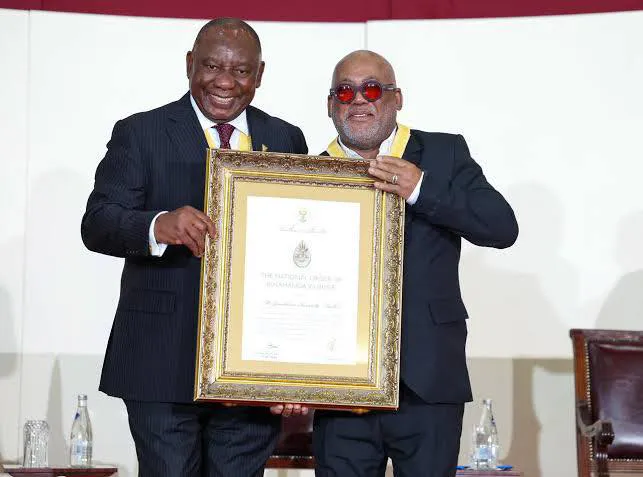
The bronze medals, in the Order of Ikhamanga, went to – among others – Gavin Krastin, whose live art practice has been described as “challenging, enriching and expanding the cultural, intellectual and political landscapes of the country,” which is the kind of citation that sounds like it was written by someone who attended a performance and emerged uncertain about what had happened but certain that it mattered.
And to Dalene Matthee – posthumously, of course – for her contribution to South African literature. Matthee’s Boland novels, rooted in the forests of Knysna and the lives of people who lived in them, represent a body of work that translated a particular South African world for readers who would never otherwise have entered it. That she did so in Afrikaans, and that her work crossed language lines anyway, is its own kind of argument about the universality of honest storytelling.
Samuel Mhangwani, the jazz promoter whose annual concerts have become cultural events in their own right, received Bronze – recognised not only for what he built but for having used music, as his citation notes, “as a powerful tool to speak truth to power.” In South Africa, the jazz stage and the political platform have always been closer together than the uninitiated might imagine.
Ramaphosa, in his address, quoted William Ralph Emerson’s A Nation’s Strength – the bit about brave men and women who “build a nation’s pillars deep and lift them to the sky.” It is a quotation that lands differently when you are honouring people who built pillars that the state, at the time of building, was actively trying to demolish.
That is the particular texture of a South African national honours ceremony. The nation is, in part, honouring people who survived the nation – or survived what the nation was, before it became what it is trying to be.
The ancestors showed up. They always do.