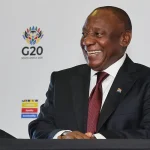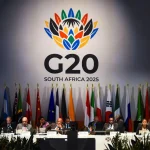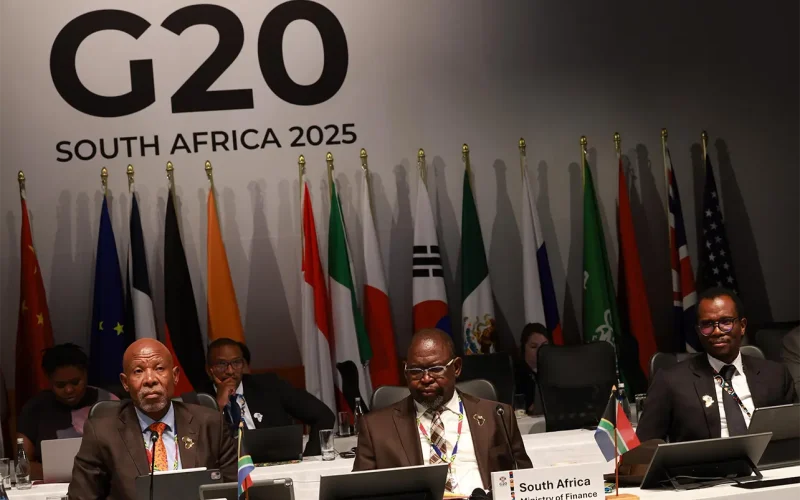
THE G20 Finance Ministers and Central Bank Governors concluded their first meeting under the South African Presidency with a call for a comprehensive review of the implementation of financial reforms established over the past 15 years. The move, announced in a chair’s summary released after the two-day meeting in Cape Town, aims to identify gaps and improve the effectiveness of reforms designed to bolster the global financial system.
The Financial Stability Board (FSB), with the assistance of standard-setting bodies (SSBs), will spearhead the review. This comprehensive assessment comes amid concerns about the consistent, full, and timely adoption of agreed international reforms and standards, including all aspects of the Basel III framework.
“This review signals a critical juncture in the G20’s approach to financial stability,” said one analyst familiar with the discussions. “While significant reforms have been enacted since the 2008 financial crisis, concerns remain about their practical application and effectiveness across different jurisdictions.”
Other Key Discussion Points
While the financial reform review took centre stage, the G20 meeting also addressed a range of pressing global economic issues:
- Global Economic Outlook: Discussions acknowledged a subdued global growth environment with divergent patterns across economies. Downside risks, including ongoing conflicts, geopolitical tensions, and climate change, were highlighted as potential hindrances to strong, sustainable, balanced, and inclusive growth.
- International Financial Architecture: Focus was placed on strengthening Multilateral Development Banks (MDBs), enhancing debt sustainability, and reforming global governance institutions. The G20 urged MDBs to improve their collaborative efforts and implement the G20 Roadmap for Bigger, Better, and More Effective MDBs.
- Sustainable Finance: The G20 reaffirmed its commitment to the Sustainable Finance Roadmap and discussed incorporating adaptation and resilience considerations into financial decision-making.
- Infrastructure: The focus will be on attracting private sector participation, blended finance de-risking measures, and developing a toolkit to assist countries in advancing cross-border infrastructure projects.
- Financial Inclusion: Reaffirmed the need to swiftly integrate the remaining 1.5 billion unbanked individuals into the formal financial sector globally.
No Consensus Reached
Notably, the meeting concluded without a formal communique, with the chair’s summary serving as the official record of discussions. This lack of consensus underscores the challenges in aligning diverse perspectives among G20 members on critical economic and financial issues. The South African Presidency’s theme of “Solidarity, Equality and Sustainability” aims to bridge these divides and foster greater international policy cooperation.
The next steps will involve the FSB initiating the comprehensive review of financial reforms, with findings and recommendations expected in the coming months. The G20’s ability to address implementation gaps and ensure the resilience of the global financial system will be closely watched by markets and policymakers alike.