THE ground had barely stopped shaking when the first jets appeared in the sky.
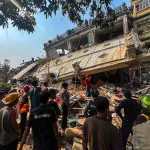
In the hazy aftermath of the 7.7 magnitude earthquake that had just ripped through central Myanmar, as dust still hung in the air above the rubble of homes and hospitals, the distant drone of military aircraft cut through the cries of the wounded and bereaved.
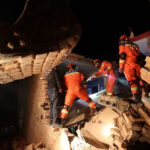
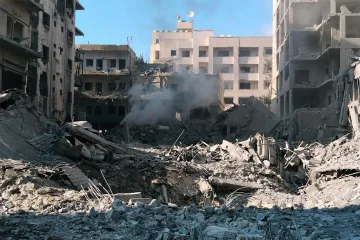
“The bombs fell as people were still digging through collapsed buildings with their bare hands,” UN High Commissioner for Human Rights Volker Türk would later report, his voice tight with barely contained outrage. “The military launched airstrikes in the very hours when rescue efforts should have been at their most urgent.”
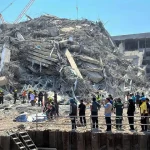
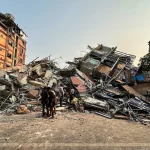
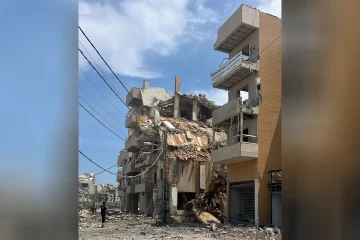
The earthquake had torn through Myanmar’s heartland on March 28th, leaving over 3,000 dead and millions desperately needing aid. Mandalay, the country’s second-largest city, lay in ruins—up to 80 percent of its structures were reduced to rubble. Across six regions, critical infrastructure crumbled: hospitals collapsed, roads split open, and bridges fell. Clean water and electricity vanished.

Yet even as international rescue teams scrambled to mobilize, the Myanmar military—the Tatmadaw—continued its relentless campaign against opposition forces.
“Despite announcing a ceasefire, they intensified their operations,” explained Ravina Shamdasani, the High Commissioner’s spokesperson, her face grim as she addressed journalists in Geneva. “We’ve documented at least 61 attacks since the earthquake—16 of them after their own supposed ceasefire took effect on April 2nd.”
The tactics employed by the military grew increasingly desperate. James Rodehaver, head of the UN’s Myanmar human rights team, described a particularly chilling development: soldiers using near-silent adapted paragliders to bomb communities from above.
“Individual operatives glide with fans strapped to their backs, dropping hand-held bombs onto targets below,” Rodehaver explained, the clinical description unable to mask the horror of this new method of terror.
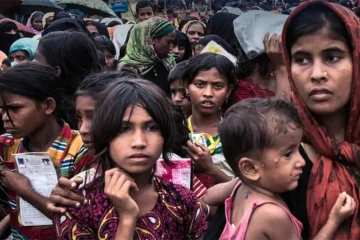
As relief workers from UNHCR deployed emergency supplies – plastic sheets and kitchen sets for 25,000 survivors – they confronted a landscape of compounded catastrophes. The International Committee of the Red Cross reported that 136 townships had been affected, with about a quarter in areas beyond government control, severely complicating humanitarian access.
“The military-imposed information blackout has made this disaster immeasurably worse,” Shamdasani added. Internet and telecommunications shutdowns prevented coordination of rescue efforts and blocked desperate families from reaching loved ones.
In a region where bridges now stood broken, UN officials saw a painful metaphor for the country’s fractured state. The earthquake had ruthlessly exposed the fault lines created by more than four years of conflict since the military’s February 2021 coup.
As night fell over the devastated country, the UN’s plea echoed through empty streets and makeshift shelters: “We urge a halt to all military operations and for the focus to be on assisting those impacted by the quake.”
In the distance, the sound of another airstrike answered.