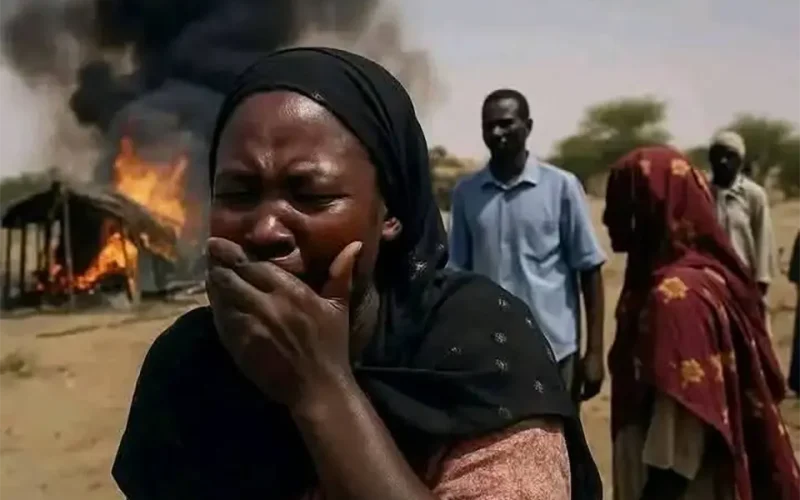
IN Sudan’s North Darfur, tens of thousands of people have fled a displacement camp following the massacre of civilians and aid workers as the country enters the third year of a conflict marked by horrific levels of sexual violence, UN humanitarians said.
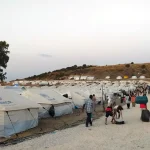
Briefing journalists in Geneva, the UN migration agency (IOM)’s Chief of Mission in Sudan, Mohamed Refaat, spoke of “massive displacement” after opposition forces and their affiliates reportedly launched coordinated assaults on Zamzam and Abu Shouk, two of the largest camps for internally displaced people in Darfur.
An estimated 80,000 have already fled Zamzam, Mr. Refaat said, and displacement could reach up to 400,000.
Male residents are the “main target” and they are all fleeing to reach the regional capital, El Fasher, which remains under the control of the Sudanese army despite ongoing assaults by the Rapid Support Forces (RSF).
Some 400 civilians were reportedly killed in the camp attacks alongside 10 medical workers from the NGO Relief International.
Speaking from Port Sudan, Mr. Refaat said that he had just returned from the country’s capital Khartoum, where he had heard horrific stories of sexual violence from a group of women survivors.
“They were talking openly about the sexual violence they have been exposed to…in front of their injured husbands, in front of their screaming children,” he said.
Anna Mutavati, UN Women Regional Director for East and Southern Africa, reported a staggering 288 per cent increase in demand for lifesaving support following rape and sexual violence.
“We have also seen what is beginning to look like systematic use of rape and sexual violence as a weapon of war,” she said. “We have seen women’s lives and women’s bodies being turned into battlegrounds in this conflict.”
The phenomenon is most likely underreported due to stigma, she said, and the numbers “don’t capture the pain and the fear” felt by survivors.
The women who fled their homes and have sought safety in temporary gathering sites “left with nothing except the clothes on their backs”, Ms. Mutavati said. They are now stranded with no possibility of earning a living, while their children miss out on education.
“We have a whole generation here whose lives are being affected because they are not able to go to school,” she said.
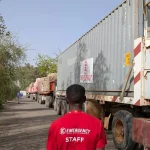
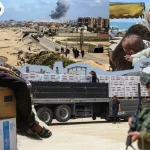
The UN Women official warned that thousands of civilians are trapped in the Darfur region with “very little access or no access at all to critical humanitarian lifesaving services” including water, food and healthcare. She called for urgent humanitarian access and protection of aid workers.
Ms Mutavati also insisted that the women who bear the brunt of the conflict “want their country back. They are tired of conflict after conflict breaking out in their beautiful country. They want sustainable peace so that it’s not just guns ringing every two months or every two years.”
Luca Renda, Resident Representative of the UN Development Programme (UNDP) in Sudan said that the war had caused an estimated 40 per cent drop in the country’s gross domestic product (GDP).
He spoke of “triple-digit inflation” and prohibitive food prices as well as a “severe disruption of infrastructure and services”.
“In some areas of Sudan, less than a quarter of the health facilities are working,” he stressed, while access to water remains “very complicated”.
Despite Sudan’s status as the “worst displacement crisis” and “worst humanitarian crisis” in the world, Mr Renda also spoke of a “glimmer of hope” as people who had been displaced for two years are showing “eagerness” to go back to parts of the country recaptured by the Sudanese army, including the capital Khartoum and Al Jazirah state.
“There is this desire for Sudanese people to return to their homes and rebuild their lives,” he said, pointing out that this new situation creates an opportunity to support the return of an estimated three million people to Khartoum and up to four million people to “other regions that the population now consider to be safe”.
About a third of the internally displaced people in Sudan came from Khartoum when the war started, Mr. Renda said. Once they return they face challenges including the “massive” destruction of infrastructure and unexploded ordnance.
Clearance efforts have been progressing in neighbouring Omdurman in collaboration with the UN Mine Action Service (UNMAS) and Khartoum city. – UN Multimedia Newsroom