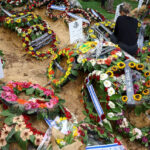
The autumn sun cast long shadows across the rural village of Dinokana as hundreds gathered under a white marquee, their voices rising in songs of struggle and liberation. But this was not a celebration – it was a funeral that would expose the cruel irony of post-apartheid South Africa.
Inside the coffin lay Tax Rantao, who had left his homeland at eighteen to join the armed struggle against apartheid. Around him stood the living ghosts of that same struggle—men and women who had sacrificed their youth, their families, and their futures for a freedom they would barely taste.
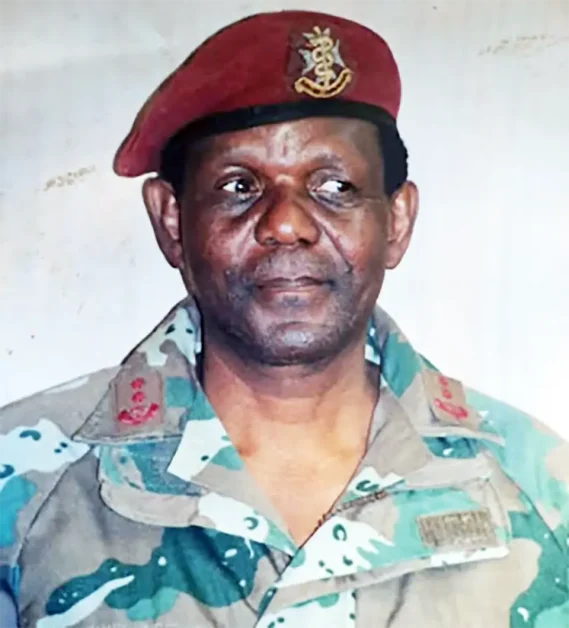
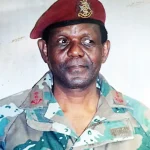
At the head of the coffin stood Dan Hatto, his body bearing the permanent scars of the liberation war. The deep marks across his torso told of a buffalo attack while on a mission through a wild park, towards the Zambesi River – one of countless dangers faced by those who chose exile and armed resistance over submission to apartheid’s machinery of oppression. The buffalo attack was not the only one he survived. In 1988, the then South African Defence Force attacked an Umkhonto we Sizwe safehouse in Botswana and killed three local women as well as an MK soldier. Hatto survived the attack.
Today Hatto is a military veteran, retired diplomat and now President of the Umkhonto we Sizwe Liberation and War Veterans.
Villages That Gave Everything
Dinokana, nestled on the border between South Africa and Botswana, embodies the contradiction of the new South Africa. This village of natural springs and orange groves, home to generations of politically conscious families, sent its sons and daughters into exile to fight what the United Nations condemned as a crime against humanity. From traditional leaders to ordinary villagers, from ANC cadres to PAC and AZAPO members, this community sacrificed for the liberation of millions. Onkgopotse Tiro, the legendary student leader who was killed by an apartheid parcel bomb in Botswana, was born and grew up in Dinokana.
The sacrifice extended beyond those who took up arms. The elderly mothers and fathers who remained in Dinokana, Gopane, Moshana, Mokgola and Lekubung paid a heavy price for their children’s resistance. The apartheid security branch targeted the villages with brutal raids, subjecting residents to detention, torture, and systematic harassment. Some of these elderly patriots died from injuries inflicted during these campaigns of terror – their deaths part of the apartheid regime’s strategy to break the spirit of resistance communities.
Today, Dinokana remains desperately poor, its liberation heroes forgotten in the shadows of unemployment and destitution, while the families who endured apartheid’s wrath struggle with the same neglect. The story of Dinokana is the story of every village and township in SA.
The Living Symbol of Betrayal
As Hatto began his tribute to Rantao, emotion overwhelmed him. Through tears, he called forward another veteran – Commander Magebhula – asking him to join him at the podium. The assembled mourners watched as a thin figure in an oversized fawn jersey walked slowly forward, his appearance a testament to the struggle he now faced not against apartheid forces, but against poverty and neglect.
This was Commander Magebhula, once a leader of Umkhonto we Sizwe units, who had commanded troops in battles that helped secure South Africa’s freedom. Now, decades later, he depended on the charity of fellow veterans for basic clothing. The jersey he wore had been given to him by Hatto – a small gesture of solidarity between forgotten heroes.
Hatto’s voice broke as he told Magebhula’s story, using him as a living symbol of how the new South Africa had abandoned those who made it possible. Here was a man who had risked everything in armed struggle, now surviving on the kindness of equally struggling comrades.
The Scale of Abandonment
Magebhula’s story echoes across South Africa’s villages and townships. In Dinokana and surrounding villages like Gopane, Moshana, Mokgola, and Lekubung, liberation veterans live in squalor while those who benefited from their sacrifices drive expensive German cars, surrounded by bodyguards paid for by the taxpayers these veterans helped liberate.
The government has implemented some programs – skills training initiatives, inclusion in crime prevention units, financial allocations through various departments. But these measures are drops in an ocean of need. They fail to address the fundamental injustice: that those who fought for freedom are denied the dignity that freedom should provide.
The Moral Crisis
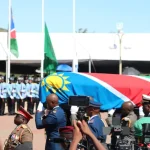
South Africa finds itself engaged in the noble task of repatriating the remains of liberation fighters who died in exile – an important act of remembrance and honor. Yet this same government that honours the dead allows the living veterans to die in poverty, their families forced to beg for donations to bury heroes who were once prepared to die for the nation.
This contradiction reveals a profound moral crisis. How can a nation built on the sacrifices of liberation fighters turn its back on those who survived to see the freedom they fought for? How can leaders who once stood alongside these veterans in the trenches of struggle now ignore their pleas for basic dignity?
A Different Kind of Struggle
Today, Hatto leads a different battle than the one he fought in the bush. As president of the ANC’s Military and Liberation Fighters League, he wages war against indifference, fighting to restore honor to those whose honor made South Africa possible. His tears at Rantao’s funeral were not just for the dead, but for the living dead – veterans who exist in a liminal space between recognition and abandonment.
The sight of Commander Magebhula walking to that podium in borrowed clothes should haunt every South African who enjoys the freedoms his generation secured. It should shame every leader who has forgotten that their political power rests on foundations built by these forgotten heroes.
The Reckoning
The story of liberation veterans from Dinokana, Gopane, Moshana, Mokgola and Lekubung is the story of South Africa itself – a nation still struggling to reconcile its revolutionary ideals with post-liberation realities. Tax Rantao received an official provincial funeral because the premier chose to honour him. But what of the hundreds of other veterans who will die in poverty, their funerals dependent on community collections and the charity of equally struggling comrades?
Hatto’s emotional plea at that funeral was not just about Magebhula or Rantao – it was a cry for the soul of the nation. Until South Africa addresses the destitution of its liberation veterans, until it provides them with the dignity their sacrifices earned, the freedom they fought for remains incomplete.
The choice is clear: honor those who gave everything for freedom, or accept that the liberation struggle remains unfinished – not because apartheid endures, but because the promise of dignity for all remains unfulfilled for those who made that promise possible.
In the village of Dinokana, where orange trees still grow and natural springs still flow, the ghosts of the liberation struggle wait for justice. Their wait is South Africa’s shame, and their dignity is the nation’s unfinished business.
As South Africa face a profound moral obligation to support veterans who sacrificed for liberation but now struggle with poverty and neglect. Here are key approaches the government could implement:
Direct Financial Support: Establish a comprehensive veterans’ pension system with monthly payments sufficient for basic living needs, separate from existing social grants. Create emergency hardship funds for immediate relief while longer-term support structures are built. Many veterans fall through cracks in current social protection systems.
Healthcare and Mental Health Services: Develop specialised veterans’ healthcare facilities or dedicated units within public hospitals that understand trauma from both combat and apartheid-era persecution. Provide free comprehensive healthcare including mental health services, as many veterans suffer from PTSD and depression exacerbated by current poverty. Mobile clinics could reach veterans in remote areas.
Skills Development and Employment: Create targeted job training programs that recognize veterans’ leadership experience and transferable skills. Establish veteran-owned business incubation programs with preferential government contracts. Some veterans may have missed educational opportunities during the struggle years, so adult education programs specifically designed for them could be valuable.
Housing and Infrastructure: Prioritize veterans in RDP housing allocation and create dedicated veteran housing projects. Many liberation veterans are elderly and need accessible housing with support services nearby.
Recognition and Dignity: Beyond material support, formal recognition programs, memorials, and storytelling initiatives help restore dignity. Veterans often feel forgotten after their sacrifice, so public acknowledgment of their contributions matters deeply.
Administrative Reform: Streamline bureaucratic processes for accessing benefits, as current systems often frustrate veterans with complex paperwork and long waits. Create one-stop service centers specifically for veteran affairs.
The government could fund these initiatives through budget reallocation, international donor support, and potentially a dedicated veterans’ fund. The key is treating this not as charity but as honouring a debt to those who made democracy possible.