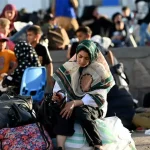
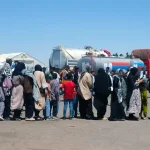
MORE than 1.4 million Afghans have returned or been forced to return to Afghanistan this year, creating an unprecedented humanitarian crisis that has overwhelmed international aid resources and threatened regional stability, the UN Refugee Agency warned.
The surge in returns has accelerated dramatically since mid-June, with daily arrivals from Iran jumping from an average of 5,000 people per day to a record 43,000 on July 1 alone. Pakistan has also seen massive outflows, with nearly 150,000 Afghans returning in April.
[Note: Need direct quotes from Arafat Jamal here]
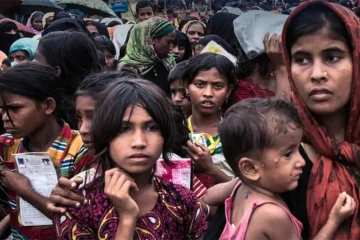
“Our teams are at the borders, receiving and assisting streams of exhausted, hungry, and scared people every day,” according to UNHCR’s Arafat Jamal. “Staff and structures are absolutely inundated.”
The agency has deployed additional personnel and is providing emergency relief items, hot meals, and financial assistance, but officials warn the response is unsustainable without immediate funding increases.
UNHCR officials express grave concern that many returns are involuntary, driven by deportation orders and deteriorating conditions for Afghans in neighbouring countries rather than a genuine choice to return home.
“Many people who returned said that they felt compelled to leave, as they saw fellow Afghans being deported,” Jamal said. Recent returnees have shared “concerning stories of increased restrictions, harassment and discrimination” in host countries.
The mass returns reflect a broader regional trend, with refugee-hosting countries issuing departure deadlines for Afghans or threatening deportation. Since these announcements, conditions for Afghans in neighbouring countries have rapidly deteriorated.
The returnees face immense obstacles in rebuilding their lives in Afghanistan, from obtaining documentation and housing to accessing healthcare and education. The situation is particularly dire for women and girls, who face extreme restrictions under Taliban rule.
The returns are concentrated in just a few areas, straining already limited resources in a country grappling with multiple crises after four decades of instability. Afghanistan continues to face economic collapse, drought, and widespread poverty.
Urgent Funding Appeal
UNHCR’s Afghanistan operation is severely underfunded, with only 28% of the required $216 million secured for this year. The agency is calling for immediate and substantial increases in international funding.
“The global community must not turn away from the people of Afghanistan at this pivotal time,” the agency stated, urging support to “restore hope, and give them a fighting chance of recovery, stability and prosperity.”
UNHCR is also calling on regional countries to ensure any returns to Afghanistan are voluntary, safe, and dignified, warning that forced repatriations risk further regional instability and could drive more migration toward Europe.