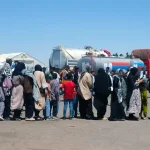
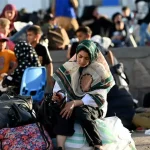
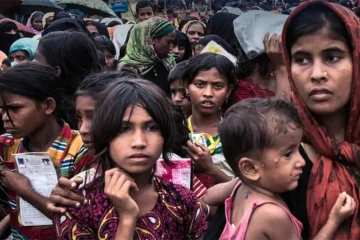
BUSLOADS of exhausted Afghan families arrive daily at the Islam Qala border crossing, thrust into a country many barely remember after years of building lives in Iran. The scene is heartbreaking: children crying in 40-degree heat, parents clutching meagre possessions, unsure where they will sleep tonight.
More than one million Afghans have been forced to return from Iran and Pakistan since January, with another million expected before year’s end. The mass deportations are creating a humanitarian catastrophe in a nation already teetering on the edge of collapse.
“These were families who, a few days before, were sitting in their homes in Iran leading normal lives,” said Sami Fakhouri, head of the International Federation of Red Cross and Red Crescent Societies delegation in Afghanistan. “The next thing they knew, they were placed on a bus and sent to a country that many of them had left many years before.”
In June alone, over 135,000 people returned from Iran. Last week brought the highest single-day return on record: 50,260 people crossed the border on July 4, according to the UN refugee agency UNHCR.
“I Don’t Know This Country”
The human cost is staggering. Fakhouri recounted meeting a woman at the border who said she was “coming to a country where she did not really know.” Her story mirrors hundreds of thousands of others — many returnees are children who have never set foot in Afghanistan.
“Family separation is a big concern,” said Babar Baloch, UNHCR spokesperson. “Forty-one percent of returnees we’ve spoken to mentioned family separation. The psychological scars will stay with Afghans who have been forced to come back.”
The Afghan Red Crescent Society is distributing 6,000 hot meals daily at border crossings while providing emergency healthcare, temporary shelter, and psychosocial support. But resources are desperately inadequate for the scale of need.
Perfect Storm of Crises
The mass returns compound Afghanistan’s existing disasters. The healthcare system has collapsed, unemployment is rampant, and international sanctions have frozen Afghan assets. Girls are banned from education, leaving families without hope for their daughters’ futures.
This weekend, extreme flooding in Nangarhar province destroyed over 250 homes, many belonging to Pakistani returnees trying to rebuild their lives. The floods received scant international media attention despite devastating communities already struggling with displacement.
“People in Afghanistan are being deprived of the chance to dream,” Fakhouri said. “There is hopelessness and desperation.”
Iran’s Economic Pressure
Iran, which hosted Afghan refugees for over 40 years, is now expelling them en masse as its own economy struggles under sanctions and regional conflict. With unemployment rising, Tehran wants to preserve jobs for Iranians.
The conflict with Israel has also influenced Iran’s decision to accelerate Afghan deportations, according to aid officials. Between three and four million Afghans were living in Iran before the current wave of expulsions began.
Urgent Appeal for Aid
The IFRC has appealed for 25 million Swiss francs to support border operations and resettlement programs, but the appeal is only 10 percent funded. Without immediate resources, the Afghan Red Crescent Society will be forced to make “hard choices about who they can continue supporting.”
“If we don’t receive these resources, people will die,” Fakhouri warned. “Action is needed now to get Afghanistan out of this situation. Action is also needed to prevent Afghanistan from falling into a deeper crisis that would be impossible to emerge from.”
Afghan authorities have prepared some areas to receive returnees, but resources remain critically limited in a country where finding employment is nearly impossible. Many deportees may be forced to leave again if they cannot secure livelihoods.
The crisis shows no signs of abating. As regional tensions escalate and economic pressures mount, Afghanistan faces an unprecedented challenge: absorbing over two million displaced people into a society that can barely support its existing population.
For the woman at the Islam Qala border crossing, like hundreds of thousands of others, the future remains uncertain in a homeland that has become foreign.