A leading African academic has called on governments across the Continent to take urgent and concrete steps to combat the proliferation of substandard and fake medicines, which have caused thousands of deaths and billions in economic losses across the continent.
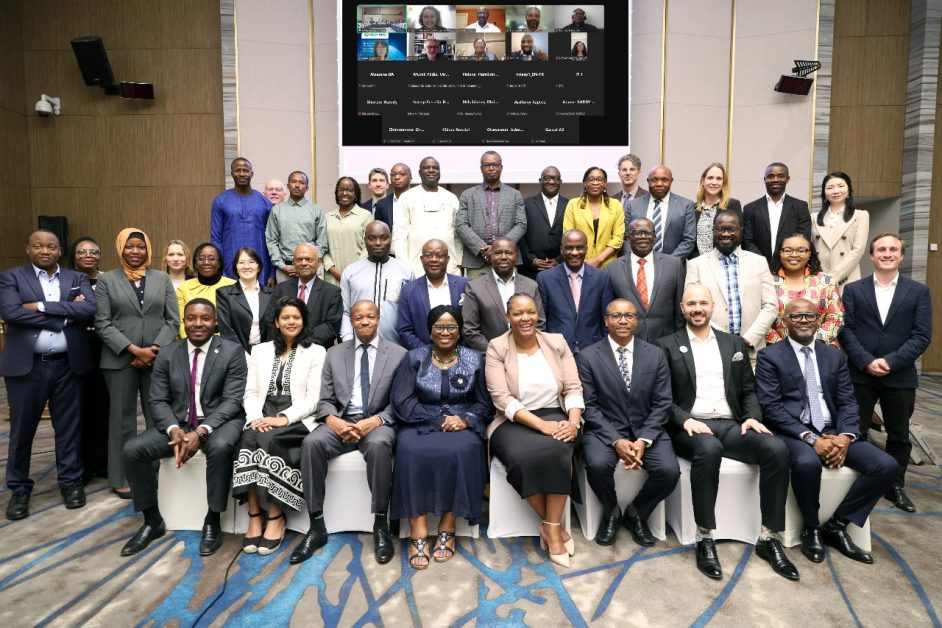
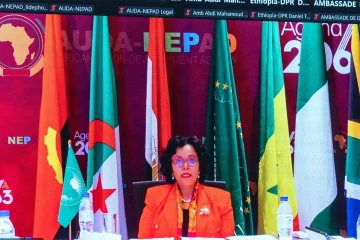
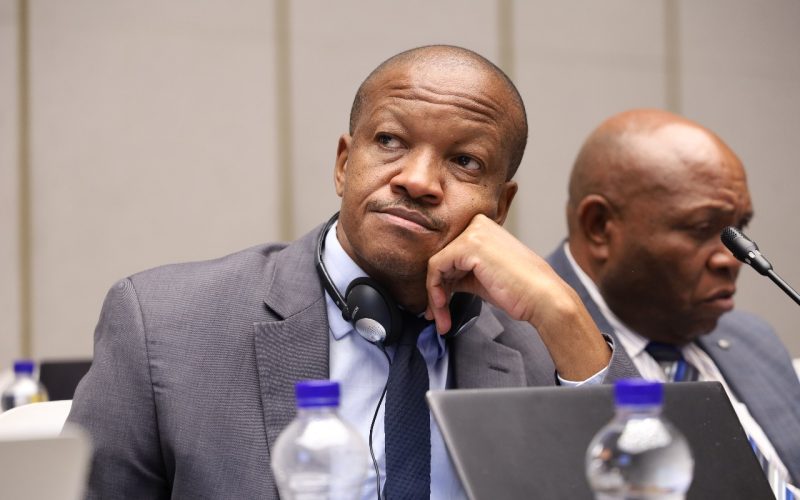
In a keynote address to the AUDA-NEPAD Working Group on Substandard and Falsified Medical Products (SFMPs), Professor Eliangiringa Kaale from Muhimbili University of Health and Allied Sciences called for criminalising the SFMP trade and implementing stiffer penalties, among other measures.

Kaale emphasized that to secure Africa’s medicine supply by 2030, the continent must properly finance national regulatory bodies and ratify the African Medicines Agency (AMA). He stressed that regulators across Africa must adopt risk-based post-market surveillance (PMS) and publish transparent data. The pharmaceutical industry, for its part, should implement Good Manufacturing Practices (GMP) and serialisation while sharing supply chain information.
Devastating Health and Economic Impact
Kaale outlined the severe health and economic consequences of poor-quality medical products. He revealed that 122,000 children under the age of five in sub-Saharan Africa have died from substandard or falsified anti-malaria medication. “The World Health Organisation has also directly linked 300 deaths in The Gambia, Indonesia and Uzbekistan to contaminated batches of paediatric syrup,” he said.
The economic toll is equally staggering. Low- and middle-income countries (LMICs) lose an estimated $30 billion annually to substandard and falsified medicines through wasted treatment and lost productivity.
Root Causes of the Crisis
According to Kaale, SFMPs persist across Africa due to a combination of factors including weak political will from governments, limited accountability, corruption in regulatory and law enforcement systems, and fragmented multi-agency coordination.
“SFMPs continue to flourish because there is high demand for cheaper medicines, complex cross-border supply chain regulations and low barriers of entry for illicit operations,” Kaale explained.
He emphasized that addressing SFMPs is crucial for Africa because they undermine universal health coverage and cause harm to patients through treatment failures, including the development of drug resistance and potential deaths.
Six Critical Areas Requiring Urgent Action
Kaale identified six key areas that African governments must urgently address to combat SFMP proliferation:
Regulatory gaps: Only 8 out of 54 African countries are stable and well-functioning, operating at WHO Good Regulatory Practices (GRP) Maturity Level 3. These countries are Egypt, Ghana, Nigeria, Rwanda, Senegal, South Africa, Tanzania and Zimbabwe. Additionally, fewer than a dozen AU member states have completed or formally initiated the domestication of the AU Model Law.
Weak sanctions: Current penalties remain extremely inadequate. In Tanzania, for instance, the legal maximum fine for falsified medicine offenses is five million TZS ($2,000) or three years in jail.
Supply chain weaknesses: Massive leakages exist between legal and illicit distribution channels. In the Sahel region, 40% of detected SFMPs were found within regulated supply chains.
Manufacturing quality assurance deficits: Poor manufacturing standards continue to compromise medicine quality across the continent.
Market surveillance: Inadequate monitoring systems fail to detect and prevent substandard products from reaching consumers.
Governance and resources: Insufficient funding and weak institutional capacity hamper effective regulation and enforcement.
Border Control Failures
Kaale highlighted additional concerns about border security, noting that customs officials at major ports inspect less than 10% of containers, relying primarily on risk-based X-ray screening. Furthermore, 37% of vaccines in the LMIC supply chain showed freezing exposure during storage, risking the potency of these critical medications.
The professor’s call for action comes at a critical time as African countries work toward achieving universal health coverage while facing increasing challenges from the global trade in substandard and falsified medical products. “Together we can secure Africa’s medicine supply by 2030,” he said.