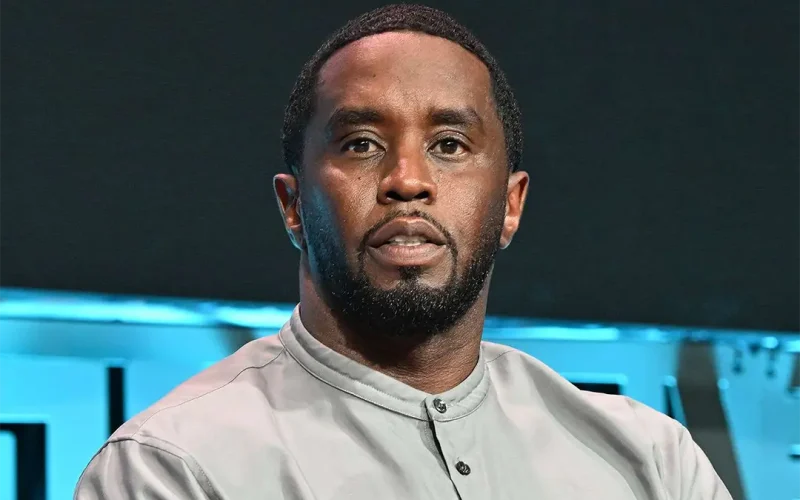
THE gavel struck with finality on Tuesday, and with it, another chapter closed in one of the most spectacular falls from grace in American entertainment history. When U.S. District Judge Arun Subramanian rejected Sean “Diddy” Combs’ desperate bid to overturn his criminal conviction, he didn’t just deny a legal motion – he drove the penultimate nail into the coffin of an empire built on beats, swagger, and an image of untouchable success.
The judge’s words rang out like an indictment of everything Combs had become behind closed doors: “overwhelming evidence of Combs’ guilt.” Not merely sufficient evidence. Not just adequate proof. Overwhelming. The kind of evidence that leaves no room for doubt, no space for redemption, no path back to the life that once was.
From Penthouses to Prison Walls
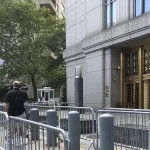
For a man who once commanded rooms with his presence, who transformed hip-hop from a cultural movement into a commercial juggernaut, who lived a life of private jets and champagne-soaked celebrations, the contrast could not be starker. Since September 16, 2024, Combs has resided not in his sprawling estates but in Brooklyn’s Metropolitan Detention Centre – a gray fortress where luxury is a foreign concept and power is measured not in platinum records but in survival.
The distance between Sean Combs, the mogul, and inmate Combs, the convicted felon, can be measured in more than just square footage or thread count. It’s a chasm of cosmic proportions, a fall from Olympian heights into the abyss of disgrace. The man who founded Bad Boy Records, who helped shape American culture, now awaits his final sentencing on October 3, when Judge Subramanian will determine precisely how many years of his life will be spent behind bars.
The Anatomy of a Conviction
The evidence that sealed Combs’ fate painted a portrait of systematic abuse cloaked in the trappings of consensual relationships. Prosecutors detailed how he orchestrated what he called “Freak Offs” – drug-fueled sexual performances that transformed intimacy into theatre, love into labour, and partners into props for his gratification. Male escorts transported across state lines. Videos recorded for posterity. Women were beaten into submission when they dared resist.
Two women in particular – rhythm and blues singer Casandra “Cassie” Ventura and another identified only as Jane – testified to a reality that existed light years away from the public persona of the confident, charismatic businessman. They spoke of physical violence, of threats calculated to terrorise, of financial control wielded like a weapon. Ventura’s words to the court were haunting in their simplicity: “Sex acts became my full-time job.”
The jury needed eight weeks to hear the evidence, but ultimately only hours to render its verdict on July 2: guilty on two counts of transportation to engage in prostitution. Acquitted on the more serious racketeering and sex trafficking charges, perhaps, but convicted nonetheless on crimes that carry the weight of federal felony.
The Hammer Falls
In Tuesday’s ruling, Judge Subramanian methodically dismantled every argument Combs’ legal team had constructed in their attempt to reverse his conviction. The defence claimed Combs lacked a financial motive for the prostitution charges. Irrelevant, the judge ruled – it was enough that he transported escorts who were financially motivated. They argued he didn’t engage in the sex acts himself. Immaterial, Subramanian countered, noting that requiring such participation “would narrow prostitution almost out of existence” and shield even brothel owners from prosecution.
Perhaps most tellingly, the judge rejected Combs’ attempt to cloak his conduct in First Amendment protections, dismissing the notion that filming sexual performances transformed illegal activity into protected expression. “His conviction raises no constitutional problem,” Subramanian wrote with judicial finality.
The judge’s opinion served as a judicial hammer, each paragraph another blow against the elaborate scaffolding of denials, justifications, and legal technicalities that Combs’ defence had erected. By the end, nothing remained standing.
The Final Reckoning Awaits
Now comes the waiting. Prosecutors have asked for 135 months – more than 11 years – a sentence that would keep Combs incarcerated well into his late sixties. His defence team, in a display of optimism that borders on desperation, requested just 14 months, arguing that time already served might allow their client to walk free this year.
The gulf between these requests mirrors the gulf between the man Combs presented to the world and the man the evidence revealed him to be. On one side: the public figure who “shaped American culture,” as even the court documents acknowledge. On the other hand, a man whom prosecutors described as someone who “holds all the power” in relationships that left partners “bloodied and bruised.”
Prosecutors captured the essence of Combs’ defence strategy with withering clarity: “The defendant tries to recast decades of abuse as simply the function of mutually toxic relationships. But there is nothing mutual about a relationship where one person holds all the power.”
An Icon’s Twilight
The fall of Sean “Diddy” Combs represents more than the downfall of a single man, no matter how successful or influential. It symbolises a cultural reckoning with power dynamics that have long existed in entertainment – where fame, wealth, and influence created ecosystems in which abuse could flourish unchecked, where victims feared speaking out because of the very real power their abusers wielded over their careers and livelihoods.
Ventura’s testimony about being “trapped” starting at age 19, about having her “independence and sense of self” eroded until submission felt like her only option, speaks to a pattern that extended far beyond a single relationship. It describes a system, an environment, a way of operating that Combs allegedly perfected over decades.
The penultimate nail is now firmly in place, driven deep by Judge Subramanian’s Tuesday ruling. The hammer that struck it was forged from evidence, testimony, and the weight of justice – however delayed. The final nail awaits, scheduled for October 3, when the judge will pronounce a sentence that will define what remains of Sean Combs’ life.
From the heights of cultural influence to the depths of federal conviction, from luxury beyond most people’s imagination to the harsh reality of prison, the arc has bent decisively. Bad Boy Records may have been built to last, but the man who built it now faces a future measured not in chart positions or business ventures, but in years, months, and days behind bars—a home as far from his former life as Earth is from the stars.
The empire has fallen. All that remains is counting the cost.