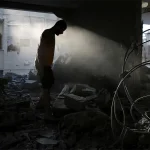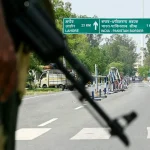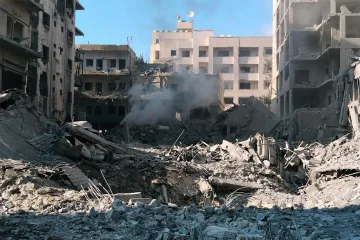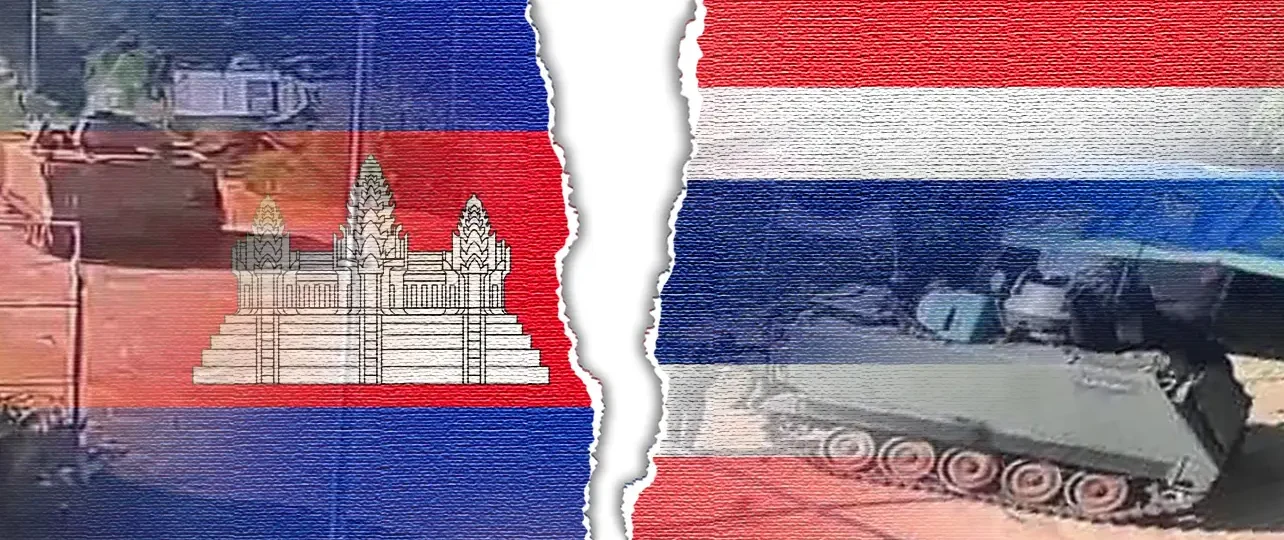

THE predawn silence along the Thai-Cambodian border was shattered at 5:00 a.m. Monday with artillery fire and the roar of warplanes – a chilling reminder that peace in Southeast Asia remains precarious. For the first time in months, Thai jets streaked across disputed territory to strike Cambodian military positions, marking a dramatic escalation in a conflict that diplomatic efforts have failed to contain.
Just weeks after what appeared to be a breakthrough peace agreement, the 817-kilometre frontier has once again become a war zone. The ceasefire brokered throborder conflictugh intensive diplomacy by U.S. President Donald Trump and Malaysian Prime Minister Anwar Ibrahim – a deal signed with fanfare in Kuala Lumpur in October – lies in tatters. The resumption of hostilities exposes the shallow foundations upon which that peace was built and raises urgent questions about the region’s stability.
Thailand’s decision to deploy air power represents a significant escalation. Cross-border airstrikes between Southeast Asian nations are extraordinarily rare in modern times, a reflection of regional norms that have generally kept military confrontations contained. That Thailand has crossed this threshold suggests either desperation or a fundamental shift in strategy – neither bodes well for de-escalation.
The current crisis is rooted in borders drawn by French colonial mapmakers in 1907, when Cambodia existed under imperial rule. More than a century later, those imprecise demarcations continue to fuel nationalist tensions and territorial claims that neither government can easily abandon without facing domestic political backlash.
What makes this iteration particularly dangerous is the pattern of escalation. The conflict that erupted in July claimed 48 lives and displaced an estimated 300,000 people over five days of intense fighting. Both sides exchanged rockets and heavy artillery in confrontations that shocked regional observers. Now, barely five months later, the violence has resumed with even greater intensity – this time with airstrikes.
At the heart of the current breakdown lies a particularly insidious element: landmines. Thailand suspended implementation of the ceasefire last month after one of its soldiers was maimed by a landmine blast. Since July, at least seven Thai soldiers have suffered serious injuries from mines along the disputed border. Thailand accuses Cambodia of deliberately planting fresh explosives – a charge Phnom Penh vehemently denies but which expert analysis has suggested may have merit.
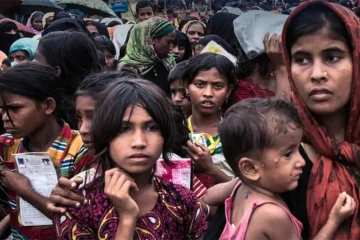
These hidden weapons transform every patrol into a life-or-death gamble and make trust between the two militaries virtually impossible. How can soldiers observe a ceasefire when the ground itself has become weaponised? The psychological impact extends beyond the military: over 385,000 Thai civilians are being evacuated from border districts, with more than 35,000 already in temporary shelters. In Cambodia, over 1,100 families have fled their homes.
Regional Implications
The fighting carries implications far beyond the immediate combat zones. Southeast Asia has cultivated an image of peaceful coexistence and diplomatic resolution of disputes through frameworks like ASEAN. The Thailand-Cambodia conflict threatens to shatter that carefully constructed narrative.
Anwar’s warning that the renewed fighting risks unravelling careful stabilisation efforts understates the danger. If two relatively prosperous, stable Southeast Asian nations cannot maintain peace along their border despite international mediation and formal agreements, what hope exists for resolving other regional disputes? The precedent being set is troubling.
The Restraint That May Not Hold
Perhaps the most ominous element in Monday’s developments is the language emerging from Phnom Penh. Hun Sen, Cambodia’s former longtime leader and father of the current prime minister, urged Cambodian forces to exercise restraint against Thai “aggressors” but ominously noted that “the red line for responding has already been set.” His statement hangs over the conflict like a sword: What happens when that line is crossed?
Cambodia’s claim that its forces have not yet retaliated despite what it describes as dawn attacks at two locations suggests a deliberate strategy of restraint. But restraint has limits, especially when civilians are being wounded, and national sovereignty appears under attack. Three Cambodian civilians have already been seriously injured in the fighting.
The Path Forward
The international community, particularly the United States and ASEAN, faces a critical test. The failure of the October peace agreement so quickly after its signing suggests that surface-level diplomatic solutions cannot address the deeper nationalist grievances and security dilemmas driving this conflict. More robust mechanisms—potentially including international observers, clearer demarcation protocols, and binding arbitration on disputed territories—may be necessary.
For now, residents like Phichet Pholkoet in Thailand’s Ban Kruat district can only listen to the thunder of artillery and wonder when, or if, silence will return. “Boom boom!” he described the explosions that startled him awake Monday morning. That sound—the sound of diplomacy failing and nationalism prevailing—echoes across a region that cannot afford another protracted conflict.
The coming days will reveal whether cooler heads can prevail or whether Southeast Asia is witnessing the beginning of a longer, more destructive confrontation between two neighbours who share far more than divides them. The stakes could not be higher.