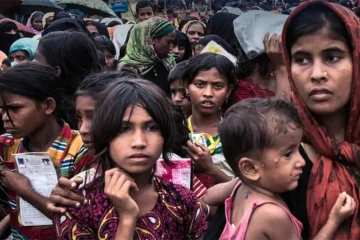
A decade of hard-won advances in refugee protection is unravelling as conflicts multiply, foreign aid evaporates, and anti-refugee sentiment surges worldwide, the UN’s outgoing refugee chief has warned.
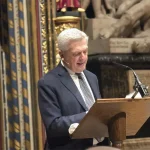
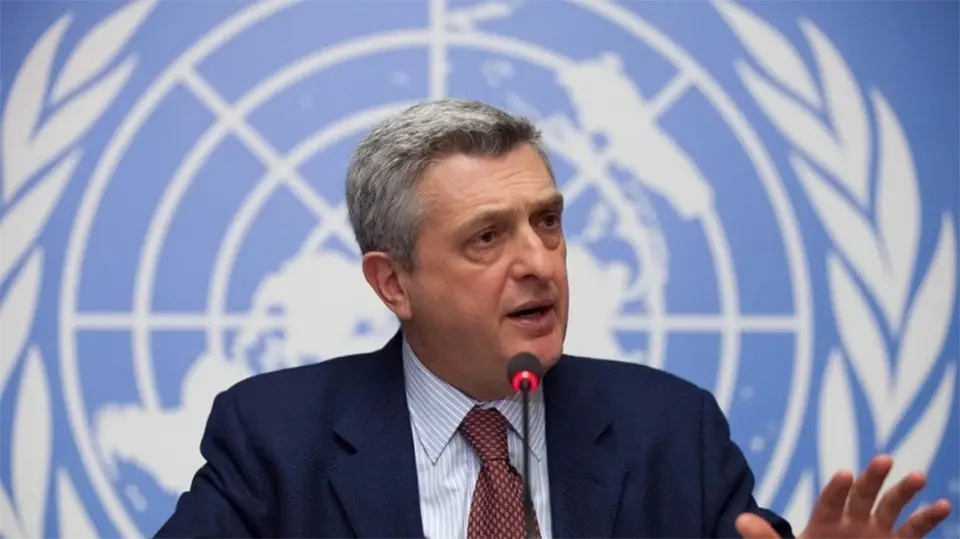
Filippo Grandi, who steps down as UN High Commissioner for Refugees on December 31 after a decade in the role, painted a stark picture of unprecedented challenges as he opened a major review of global refugee commitments in Geneva.
“We are facing a perfect storm,” Grandi told delegates, citing ongoing wars, rising hostility toward asylum seekers and what he called “drastic, irresponsible” cuts to foreign aid that are hammering both refugees and the countries sheltering them.
Yet despite the grim outlook, Grandi urged the international community not to abandon nearly 3,500 pledges worth over $2.6 billion made at previous Global Refugee Forums to improve conditions for the world’s 120 million forcibly displaced people.
“We have come a long way. We cannot let setbacks discourage us,” he said. “Now is the time to build on what we’ve accomplished.”
Funding Crisis Threatens Gains
The warning comes as low- and middle-income nations shoulder nearly three-quarters of the global refugee burden, often without adequate international support. Countries like Chad, Iran, Costa Rica and Egypt are struggling to maintain services as donor nations slash development assistance.
UN Secretary-General Antonio Guterres, in a video message to the forum, called for increased support for host countries and defended asylum as a fundamental pillar of international law under growing attack.
Uganda’s Aggrey David Kibenge, speaking for the forum’s co-hosts, said this year’s sharp funding cuts risk reversing progress in refugee self-reliance, voluntary returns and international responsibility-sharing.
“We all recognise the negative consequences of the funding crisis, but it is becoming evident that they are far more severe than initially anticipated,” said Kibenge, whose country hosts 1.7 million refugees. “All the while, host countries continue to open their hearts and homes, often without the resources or infrastructure to do so.”
Refugees Demand Seat at Table
One of the forum’s most powerful moments came from Syrian refugee Nour Jarrouj, a UNHCR advisory board member who was among more than 300 participants with lived experience of displacement.
“Refugees are not bystanders. We are actors, leaders, organisers and experts in our own right,” Jarrouj declared. “If we want better and more effective outcomes, refugees must be partners — not afterthoughts.”
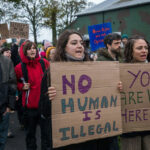
She condemned deterrence-based policies spreading globally, warning they increase suffering without reducing displacement while weakening protections that have safeguarded millions.
“The world has made us many promises. What is needed now is measurable action, sustained investment and political courage,” Jarrouj said. “The system must choose: retreat or responsibility, symbolism or substance, managed decline or collective renewal.”
Some Progress Despite Headwinds
Grandi highlighted advances over the past decade, including $4 billion in annual development investments in displacement situations — funding that didn’t exist ten years ago. These resources have driven improvements in refugee education, employment, climate resilience and access to services.
Switzerland’s Federal Councillor Ignazio Cassis called on states to use the review to chart a roadmap to the next Global Refugee Forum in 2027, urging a shift from pledges to measurable results.
“In this unstable world, with a significant decrease in financial means, we must show very strong political will,” Cassis said.
The two-day Progress Review continues Tuesday as delegates assess which commitments have been met and which have fallen short amid what Grandi described as the most challenging period for refugee protection in recent memory.