TWO Shootings, Two Cities, Zero Accountability
In the span of 48 hours, federal immigration agents have shot three people across two American cities, killing one—a U.S. citizen—and the only transparency offered comes in the form of federal press releases that local officials cannot verify, investigate, or challenge.
This is not immigration enforcement. This is something far more dangerous: the emergence of a federal force operating beyond the reach of local accountability, firing weapons on American streets while state investigators are turned away at crime scenes.
The Death That Changed Everything
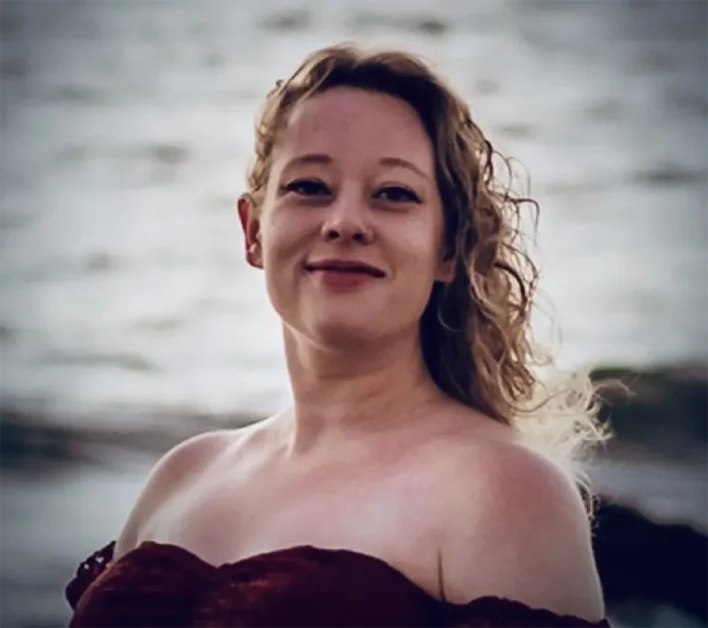
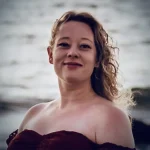
Renee Nichole Good, 37, mother of three, was shot dead by an Immigration and Customs Enforcement officer on a Minneapolis street on Wednesday. She was not a suspect. She was not undocumented. She was an American citizen participating in a community observer patrol—exercising her First Amendment right to document ICE operations in her neighbourhood.
The federal government claims she tried to run over an agent. Bystander video tells a more complicated story: officers approaching her stopped vehicle, grabbing at her door, her car briefly reversing, then moving forward while turning right, and an agent firing three shots—the final rounds sent through her driver’s window after her bumper had already passed his body. The officer remained on his feet throughout and walked away afterwards.
President Trump declared on social media that Good “ran over the ICE Officer.” No evidence supports this claim.
A Pattern of Violence, A Vacuum of Truth
Less than 24 hours later, on Thursday afternoon in Portland, a Border Patrol agent shot two people during what federal officials called a “targeted vehicle stop” outside Adventist Health hospital. The Department of Homeland Security alleges the driver attempted to weaponise his vehicle against agents and claims a passenger was a Venezuelan gang member. These assertions remain unverified.
Portland police found the two gunshot victims miles from the scene. Local officials, like their Minnesota counterparts, say they cannot independently confirm the federal account of what happened.
In both cities, Democratic governors and mayors have demanded the withdrawal of federal forces. In both cities, federal officials have refused to cooperate with state investigations. In Minnesota, DHS Secretary Kristi Noem simply declared that state authorities “do not have jurisdiction,” effectively shutting the Minnesota Bureau of Criminal Apprehension out of the investigation into Good’s death entirely.
The Architecture of Impunity
What we are witnessing is the construction of a parallel enforcement system—one where federal agents can discharge weapons on city streets, kill American citizens, and face no independent investigation. Where the only version of events comes from the agency whose officer pulled the trigger. Where local prosecutors, state investigators, and community officials are told they have no standing to ask questions.
“There was absolutely no justification for deadly force,” said Michelle Gross, president of Communities United Against Police Brutality, who confirmed Good’s participation in legal observer activities. “People are just exercising their First Amendment right to videotape police.”
Oregon Governor Tina Kotek captured the broader crisis: “When a president endorses tearing families apart and attempts to govern through fear and hate rather than shared values, you foster an environment of lawlessness and recklessness.”
A Nation Forced to Choose
These shootings arrive in the context of what the Trump administration has called “the largest DHS operation ever”—some 2,000 federal officers deployed to Minneapolis alone, with similar operations in other Democratic-led cities. Vice President JD Vance has defended the Minnesota shooting, calling Good’s actions an “attack” on law enforcement and saying the agent deserves “a debt of gratitude” for killing her.
On Thursday night, hundreds of protesters filled Minneapolis streets, chanting “shame” and “murder” at masked federal officers, some of whom deployed tear gas and pepper balls. In Portland, demonstrations surged outside an ICE building, resulting in six arrests by early Friday.
“I feel like we’re at a turning point,” said Minneapolis protester Rachel Hoppei, 52, speaking to a crowd of demonstrators. “We don’t want you. You have no right to be here. You’re destroying our communities.”
Minnesota Governor Tim Walz has placed the National Guard on alert, preparing for the possibility of wider civil unrest.
The Questions We Must Answer
The death of Renee Nichole Good—and the shooting of two more people in Portland—forces Americans to confront fundamental questions about power, accountability, and the rule of law:
Can federal agents kill citizens on American streets without an independent investigation? Can they shoot first and offer only their own version of events afterwards? Can they operate as an occupying force in cities whose elected officials oppose their presence? Can they shut out state prosecutors and investigators from crime scenes? And if the answer to all these questions is yes—what distinguishes this from extrajudicial violence?
Good leaves behind a 15-year-old daughter and two sons, ages 12 and 6. She was watching. That’s what she was doing when she was killed—watching, and recording, as federal agents conducted operations in her community. For this, she was shot three times. For this, the President of the United States claims she “ran over” an officer, despite video evidence to the contrary.
What Comes Next
Portland Attorney General Dan Rayfield has pledged to investigate whether federal officers acted outside their authority and to pursue criminal charges if warranted. But he, like Minnesota officials, may find himself locked out of the evidence, the witnesses, and the crime scene itself.
What’s clear is that protesters in Portland and Minneapolis understand what’s at stake. As Angelisa Jones, a Portland demonstrator, put it: “It’s just been chaos. The community is being left to piece together information on its own.”
In two cities, on two consecutive days, federal immigration agents have shot three people. One is dead. And the American public is left with competing narratives, sealed investigations, and the chilling realisation that a federal force now operates on our streets with lethal authority and no mechanism for independent accountability.
This is not about immigration policy. This is about whether any agency of the U.S. government can kill with impunity.