
THEY came by the thousands, from Indianapolis and Atlanta and Washington and points far beyond, lining up in the rain outside a South Side megachurch to say goodbye to the man who told them, for decades, to keep hope alive.
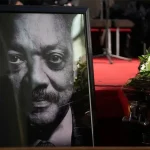
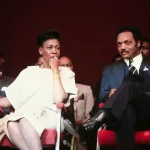
On Friday, the United States paused to bury the Rev. Jesse Jackson – civil rights titan, two-time presidential candidate, ordained minister, and conscience of a movement that refused to die – at a homegoing service at the House of Hope Convention and Event Centre in Chicago’s historic Pullman neighbourhood. The arena, holding some 10,000 seats, was the only venue large enough to hold the grief.
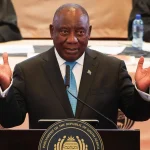
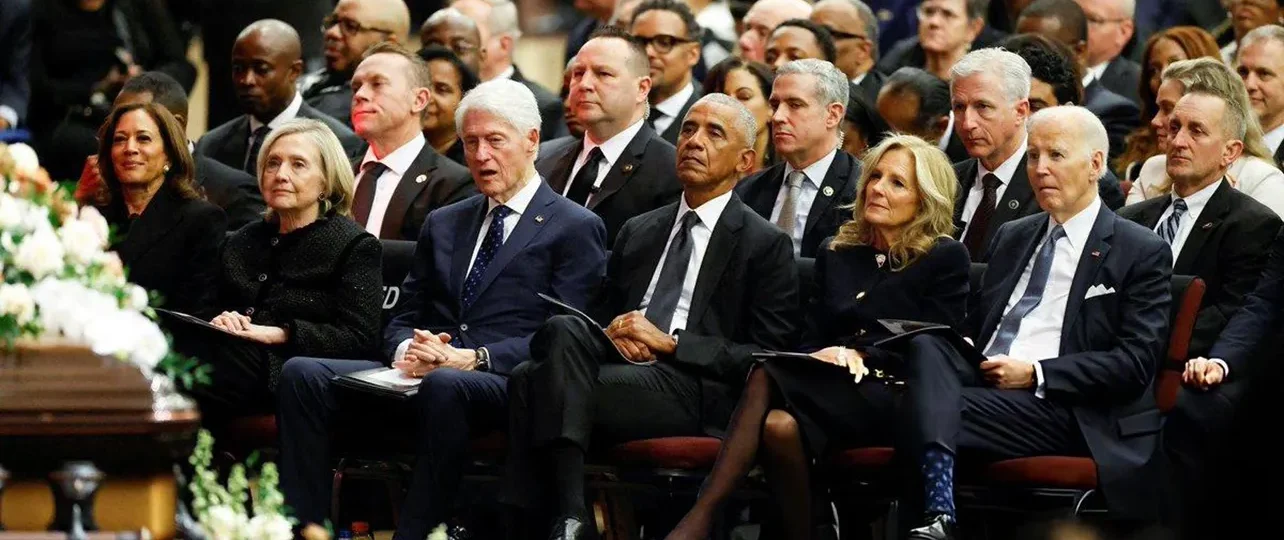
Three former presidents – Barack Obama, Bill Clinton, and Joe Biden – walked in together, a tableau rare enough to mark the occasion as history. Former Vice President Kamala Harris was also in attendance, alongside former first ladies Hillary Clinton and Jill Biden. South African President Cyril Ramaphosa was among the African leaders present. The scene carried the weight of an era: a generation of American leaders who had each, in their own way, been shaped by the man in the casket.
Jackson died on February 17 at the age of 84. His final journey had already wound through the South Carolina Capitol, where he lay in state earlier this week and where figures including Representative Jim Clyburn and former United Nations Ambassador Andrew Young came to pay tribute in the state where Jackson was born and came of age under segregation. From there, he was brought home to Chicago – the city where he sharpened his voice, built his institutions, and made the world pay attention.
The service opened with scripture read by family members, followed by prayers offered across faith lines: Father Michael Pfleger of St. Sabina, Rabbi Sharon Brous of the Los Angeles synagogue IKAR, and the Rev. Dr Otis Moss III of Trinity United Church of Christ. The interfaith gathering was fitting for a man whose coalition-building spanned Black churches, labour halls, Arab American communities, Jewish congregations, and the global south.
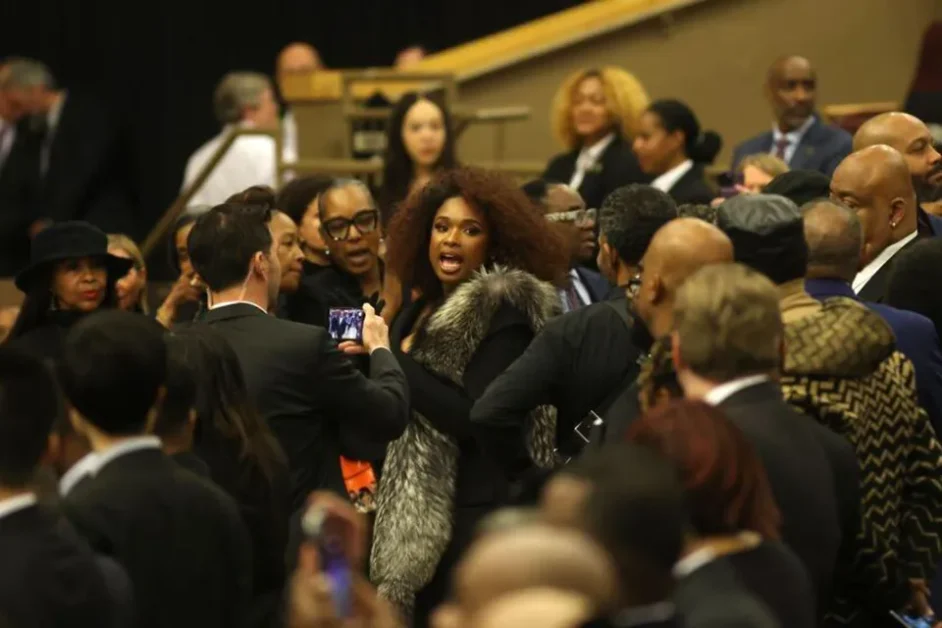
Chicago native Jennifer Hudson performed Sam Cooke’s “A Change Gonna Come” — a song that has served as a kind of spiritual score for the civil rights movement across generations. Gospel legends Bebe and Marvin Winans also performed, filling the vast arena with sound.
Speakers included Illinois Governor JB Pritzker and Chicago Mayor Brandon Johnson, who opened the tributes alongside Jackson’s son Yusef. Later came the Rev. Al Sharpton of the National Action Network; James Zogby, founder of the Arab American Institute; Colombian President Gustavo Francisco Petro Urrego – a reminder that Jackson’s reach extended well beyond American borders – and NBA Hall of Famer Isiah Thomas, a West Side Chicago native who credited Jackson’s movement with shaping his own understanding of justice.
The service was officiated by the Rev. Charles Jenkins and the Rev. James T. Meeks, two towering figures in Chicago’s Black church tradition. Their presence connected the day to a lineage stretching back to 1965, when the Rev. Clay Evans ordained Jackson as an associate minister at Fellowship Missionary Baptist Church – the moment a young preacher from Greenville, South Carolina, began his formal ministry on the South Side.
Family members took the pulpit as well. Former Congressman Jesse Jackson Jr. offered an expression on behalf of the family. His brother, Congressman Jonathan Jackson, was in attendance. Their sister Santita sang, her voice carrying the congregation. Ashley and Jacqueline Jackson were also present – together, a family portrait of a movement passed down in blood.
Outside, crowds of ordinary Americans stood in line from early morning, clutching programmes and umbrellas against the threat of storms. A father from Indianapolis had brought his two daughters, aged eight and eleven. “We are here to pay our respects,” he said simply.
The ceremonies bookend a week of national mourning that drew into sharp relief the distance the country has travelled – and how far it has yet to go. President Donald Trump and former President George W. Bush were invited and did not attend.
On Saturday, a more private celebration will be held at Rainbow PUSH Coalition headquarters at 930 E. 50th Street – the organisation Jackson founded and that remained his base of operations for decades. Stevie Wonder will perform. Capacity will be limited, but the service will be streamed.
After Saturday’s service, Jackson’s casket will make a final procession to Oak Woods Cemetery at 1035 E. 67th Street, where he will be laid to rest among the city’s most storied dead — including civil rights journalist Ida B. Wells. It is a fitting address for a man who spent his life insisting that history was not finished, that the arc could be bent, that the dream was still worth dreaming.
“Keep Hope Alive,” he told us, year after year and decade after decade. On Friday, a city and a nation came to say: we heard you, Reverend. We still do.