
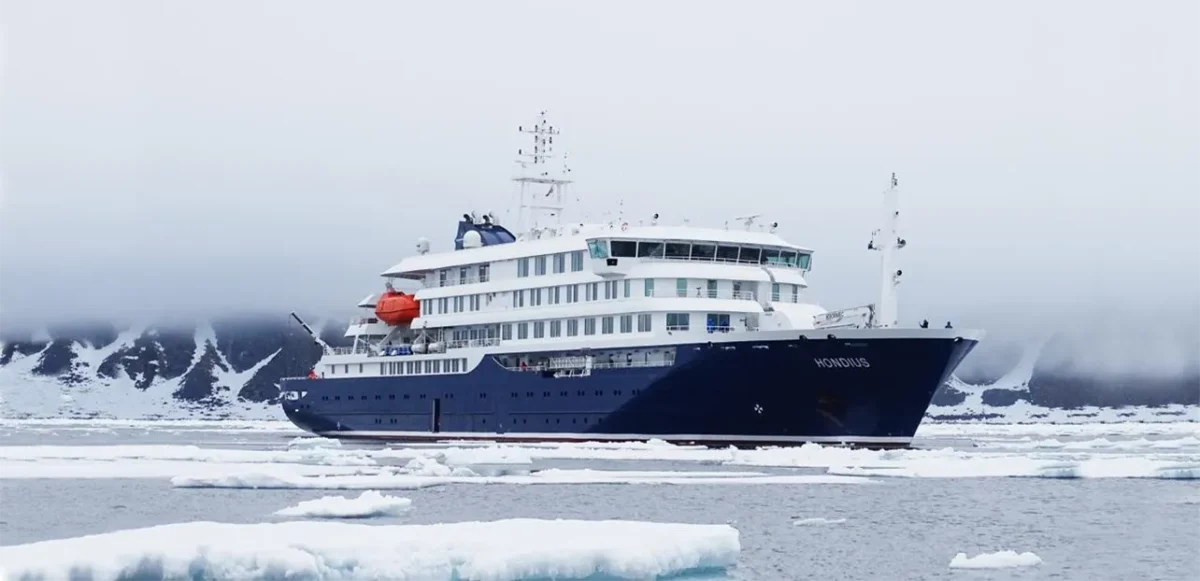
THE World Health Organisation (WHO) has moved to reassure a concerned public that a deadly hantavirus outbreak aboard an expedition cruise ship in the Atlantic Ocean is under tight international management – even as a British national evacuated to Johannesburg on an emergency basis remains critically ill in intensive care.
Seven of the 147 passengers and crew aboard the vessel have fallen ill, and three have died, the WHO confirmed on Tuesday. The British patient – transferred to a Johannesburg hospital as part of an emergency medical response – is reported to be receiving intensive care, with the WHO indicating the patient’s condition is showing signs of improvement.
South Africa’s Department of Health sought to calm public concern, confirming it is working alongside the National Institute for Communicable Diseases (NICD) and the Gauteng Department of Health to conduct contact tracing and monitor individuals who may have been exposed. “In our view, there is no need for the public to panic because only two patients from the cruise ship have been within our borders,” the Department said.
“We hear you. We know that you are scared. We are working to ensure you are cared for and that you get home safely.” — Dr Maria Van Kerkhove, WHO
Dr Maria Van Kerkhove, WHO’s chief of Epidemic and Pandemic Preparedness and Prevention, briefed journalists in Geneva on Tuesday, delivering a direct message of reassurance to those aboard the vessel and their families. “We hear you. We know that you are scared. We’re trying to make sure that the ship has as much information as they can, that you’re cared for, and of course, that you get home safely,” she said.
The Department of Health echoed that multilateral posture, noting that “the World Health Organization is coordinating a multi-country response with all affected islands and countries to contain further spread of the disease.”
Two other patients still on board the ship – currently sailing off the coast of Cabo Verde in West Africa – are being prepared for emergency medical evacuation to the Netherlands. “The plan is, and our highest priority is, to medically evacuate these two individuals” to ensure they receive the required care, Dr Van Kerkhove said. As a precautionary measure, all passengers have been confined to their cabins while disinfection and other public health measures are carried out, with medical teams from Cabo Verde providing on-board support.
Human transmission a possibility
In a development that will sustain public vigilance, the WHO official confirmed that human-to-human transmission aboard the vessel cannot be ruled out – although such transmission is described as rare.
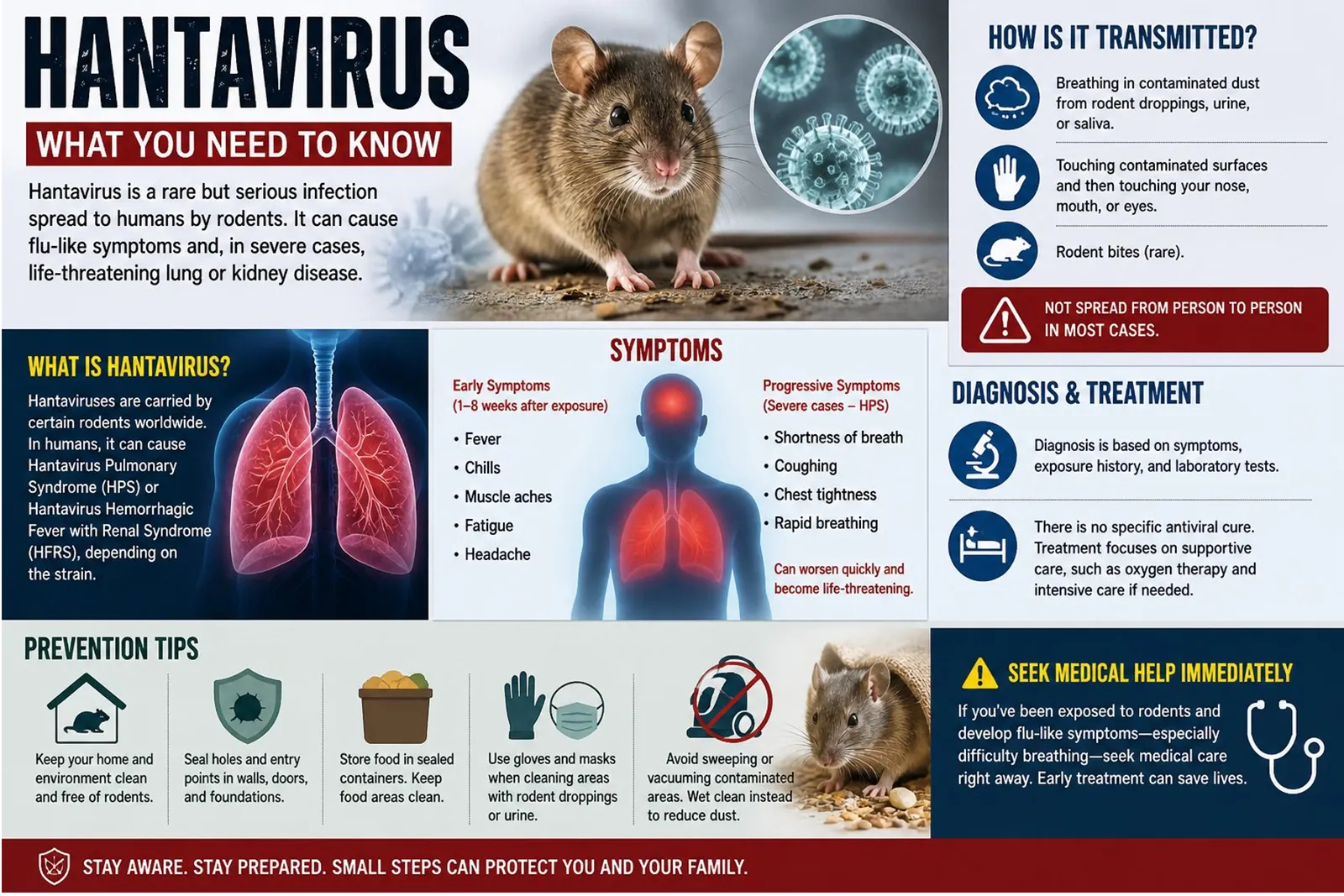
Hantaviruses are typically transmitted through contact with infected rodents or exposure to their urine, droppings, or saliva. The virus can cause severe respiratory illness for which there is no specific cure – only supportive care, including mechanical ventilation in serious cases.
The initial patients – a husband and wife – boarded the ship in Argentina. Dr Van Kerkhove said the timing of their infection, relative to hantavirus’s incubation period of between one and six weeks, pointed strongly to pre-boarding exposure. “Our assumption is that they were infected off the ship,” she said. The expedition cruise had stopped at several Atlantic islands, some of which “have a lot of rodents”, she noted, suggesting possible additional exposure points for other suspected cases.
However, the WHO official acknowledged that the close-quarters nature of life aboard the vessel – particularly among cabin-sharing couples and close contacts – meant that limited person-to-person spread, previously documented in outbreaks of the Andes virus strain of hantavirus, could not be excluded.
Three dead, seven ill — a British patient in a Johannesburg ICU as WHO and SA health authorities coordinate response to Atlantic hantavirus outbreak
Spain to receive vessel; full investigation planned
The ship is set to continue to the Canary Islands, where Spanish authorities have agreed to receive it for a full epidemiological investigation and comprehensive disinfection. “They will welcome the ship to do a full epidemiologic investigation, full disinfection of the ship, and of course to assess the risk of the passengers on board,” Dr Van Kerkhove said.
There are no other symptomatic patients on board at this stage. A third suspected case who had reported a mild fever “is currently doing well”, the WHO official confirmed. More than 20 nationalities are represented among those on board, and the WHO said it is in contact with the ship’s operators and the home countries of all passengers.
What is hantavirus?
Hantavirus is a family of viruses carried by rodents. Human infection typically occurs through contact with an infected rodent or exposure to its excretions. The virus can cause hantavirus pulmonary syndrome – a severe respiratory illness – with patients potentially requiring intensive care and mechanical ventilation. There are no approved antiviral treatments; management relies entirely on supportive medical care.
Human-to-human transmission is uncommon but has been documented in limited outbreaks involving the Andes virus, a South American hantavirus strain. The strain involved in the current outbreak has not been publicly confirmed by WHO.