ATTACKS on schools, students and teachers rose sharply worldwide in 2024–2025, with at least 8,500 incidents recorded – a surge of more than 40 percent from the previous two-year period – the Global Coalition to Protect Education from Attack (GCPEA) reported Monday.
The group’s Education Under Attack 2026 report says the incidents injured or killed more than 10,600 education personnel and students across 83 countries, and notes that 55 of those countries were not in active armed conflict. GCPEA warned the real toll is likely higher because escalating fighting, shrinking humanitarian access and widespread information blackouts prevent many attacks from being documented.
“We believe the true increase is far higher,” said Felicity Pearce, lead researcher for the report. “Escalating conflict, shrinking humanitarian access, and widespread information blackouts mean many attacks are never reported.”
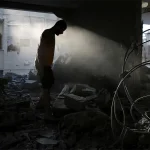
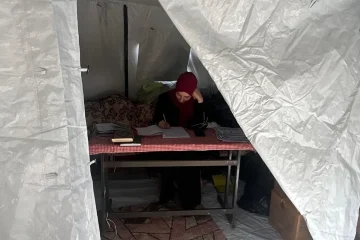
The report documents heavy concentrations of violence in Colombia, the Democratic Republic of Congo, Ethiopia, Haiti, Palestine and Ukraine. Ukraine logged more than 900 attacks on schools; Palestine registered over 2,000, and by the end of 2025 GCPEA found that nearly all schools in Gaza had been damaged or destroyed. Haiti, newly profiled in the report, experienced more than 400 attacks. The highest numbers of people killed or injured were recorded in Myanmar, Nigeria, Yemen and Cameroon.
GCPEA found a sharp rise in the military use of education facilities, identifying more than 1,900 cases – nearly double previous figures – with Colombia, the DRC and Ethiopia particularly affected. The coalition said occupation of schools by armed forces or groups disrupts learning, damages infrastructure and raises risks of child recruitment, sexual violence and retaliatory strikes.
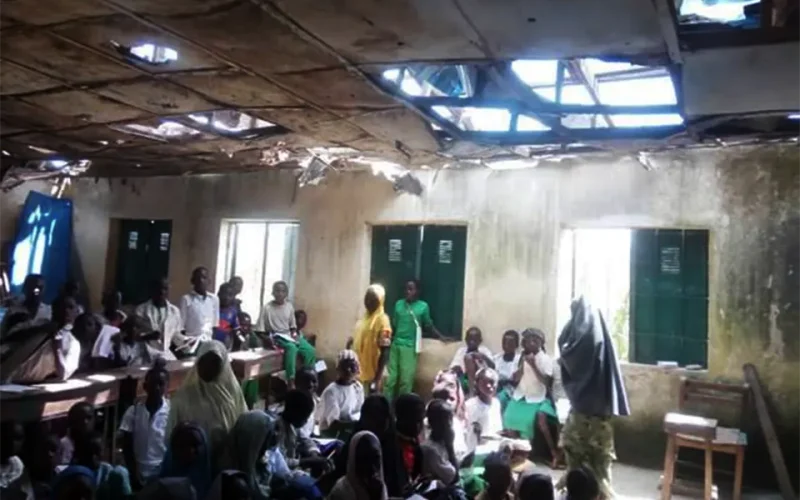
The report also documents a worrying increase in the use of explosive weapons in populated areas, including drone-delivered explosives, in roughly 300 attacks that struck schools during class hours, killing and wounding students and teachers and prompting prolonged closures.
Women and girls were disproportionately affected, GCPEA said, citing targeted attacks on girls’ schools and incidents of conflict-related sexual violence in Cameroon, the Central African Republic, Colombia, Haiti and Nigeria. In Afghanistan, the report says, authorities have closed learning centers for girls above grade six and detained female teachers, prolonging a systematic assault on girls’ education.
In response to the findings, GCPEA urged governments, United Nations agencies and donors to endorse the Safe Schools Declaration and take five urgent steps: strengthen legal protections for children and education systems; end the military use of schools; sustain and protect global monitoring of attacks; safeguard education during electoral cycles; and resource early-warning and anticipatory action systems.
The report is the eighth installment in GCPEA’s Education Under Attack series and profiles attacks and military use of schools and universities in 28 countries. It was produced with support from the Education Above All Foundation, Education Cannot Wait and the Government of Norway.
Contacted for comment, a spokesperson for the United Nations Educational, Scientific and Cultural Organization (UNESCO) – a GCPEA member agency – said the agency was reviewing the report’s findings and reiterated calls for immediate action to protect education in emergencies. Donor governments and humanitarian organizations did not respond to requests for comment by publication time.
The GCPEA report comes as global insecurity has surged to levels not seen since World War II, complicating humanitarian response and threatening decades of progress in access to education, the coalition said.