
AFRICAN football has made an early, forceful statement at the 2026 FIFA World Cup, with Ghana and Ivory Coast delivering the headline victories while Cape Verde, Morocco and the Democratic Republic of Congo showed resilience through hard-earned draws. At the same time, South Africa, Tunisia and Algeria suffered defeats that exposed the gap African teams still must close against elite opposition, even in a tournament that has already produced several breakthrough moments for the continent.
Ghana’s 1-0 win over Panama was the kind of result that can reshape a campaign: tight, disciplined and decided late, it showed a team willing to suffer for three points. Ivory Coast matched that spirit with a 1-0 victory over Ecuador, sealed by Amad Diallo’s late strike, a result that underlined the Ivorians’ composure and attacking patience. For both sides, these wins were more than just group-stage points; they were statements that Africa’s established powers can still compete with purpose and authority on the biggest stage.
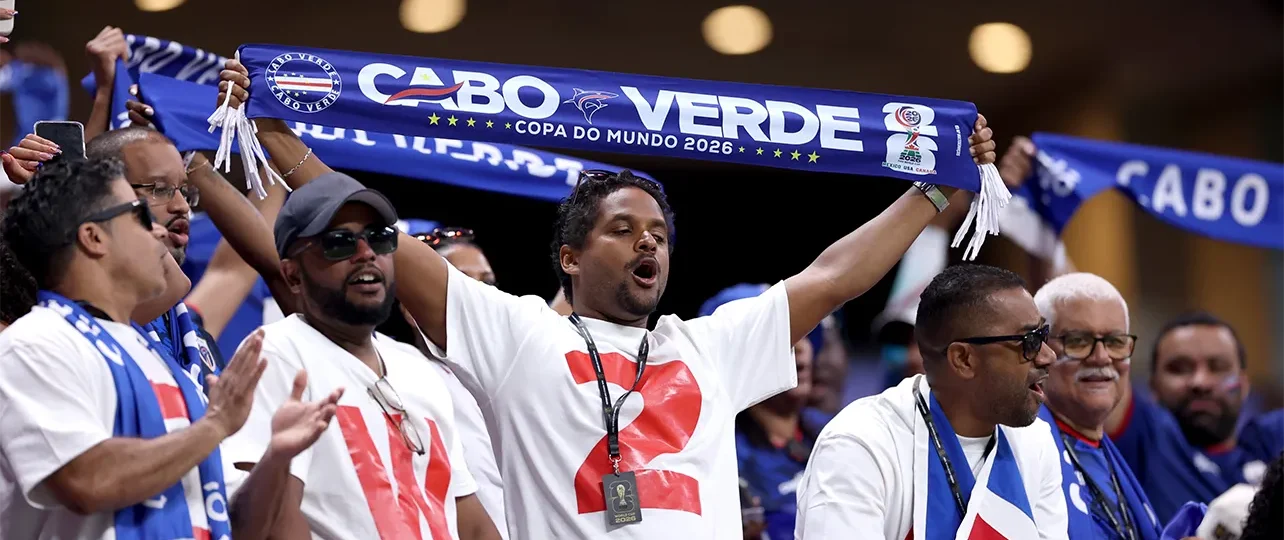
If Ghana and the Ivory Coast supplied the victories, Cape Verde, Morocco and DR Congo supplied the resilience. Cape Verde’s goalless draw with Spain was one of the most remarkable results of the opening phase, a defensive performance that denied a heavy favorite and announced the debutants as far more than symbolic participants. Morocco’s 1-1 draw with Brazil and DR Congo’s 1-1 stalemate with Portugal carried the same message: African teams are no longer arriving merely to absorb pressure, but to contest it, frustrate it and, at times, outthink it.
The other side of the continent’s story is less flattering. South Africa were beaten 2-0 by Mexico in the opener, a result that immediately placed pressure on their tournament plan and highlighted how expensive slow starts can be at this level. Tunisia were overwhelmed 5-1 by Sweden, a heavy loss that suggested defensive fragility and tactical vulnerability when tempo rises. Algeria’s 3-0 defeat to Argentina completed a difficult picture for North and southern African sides seeking to match the continent’s stronger performers.
Taken together, these results tell a familiar but evolving African World Cup story: progress is real, but uneven. The victories by Ghana and Ivory Coast prove that African teams can still win in the margins, while the draws by Cape Verde, Morocco and DR Congo show a growing tactical maturity against football’s traditional giants. Yet the defeats for South Africa, Tunisia and Algeria also remind us that consistency remains the missing ingredient; Africa can still produce shocks and resistance, but sustained advancement will depend on translating promise into repeatable results.