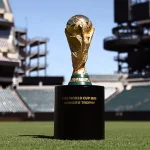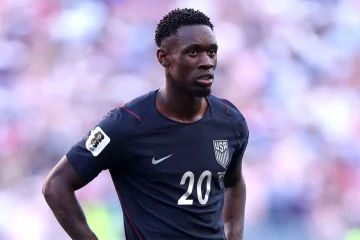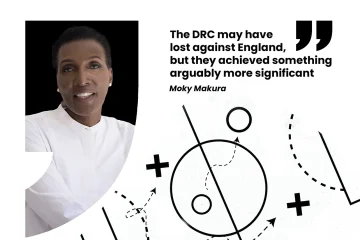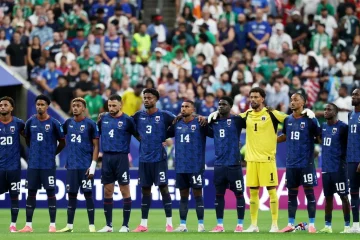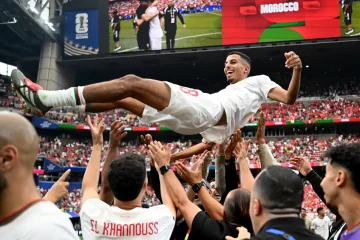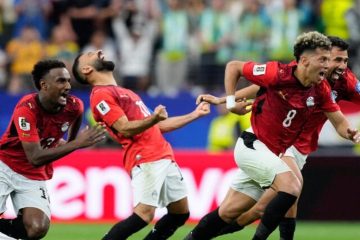

THE squads have been named, the kits laid out, and the dreams of a continent crystallised into 26-man rosters. As the 2026 FIFA World Cup prepares to kick off on 11 June in Mexico City, Africa stands at a historic crossroads: for the first time in the tournament’s 96-year history, the Confederation of African Football (CAF) will send ten nations to football’s grandest stage.
The expansion of the World Cup from 32 to 48 teams has opened a door that African football’s advocates, coaches, and players have long agitated for. The result is a continental roll call of extraordinary breadth – from North Africa’s traditional powerhouses to West Africa’s flair-laden giants, from southern Africa’s lone but proud representative to the debutant Atlantic islanders of Cape Verde, all bound for stadiums across the United States, Canada, and Mexico.
Over the past two weeks, national associations from Rabat to Accra have unveiled their final 26-man squads, each announcement carrying the weight of a nation’s hopes – and, in several cases, the pressure of expectation that comes with Africa’s best-ever World Cup result: Morocco’s stunning semi-final appearance in Qatar 2022.
“The 2026 men’s FIFA World Cup marks a seismic shift in the global football landscape.”
The Conversation
The ten African nations – Morocco, Senegal, Egypt, Algeria, Ivory Coast, Tunisia, DR Congo, South Africa, Cape Verde, and Ghana – are ranked between 8th and 74th in the world by FIFA. They are spread across ten of the tournament’s twelve groups, guaranteeing that African football will touch every corner of this expanded, sprawling competition.
THE TEN SQUADS: TEAM BY TEAM
1. MOROCCO – The Atlas Lions
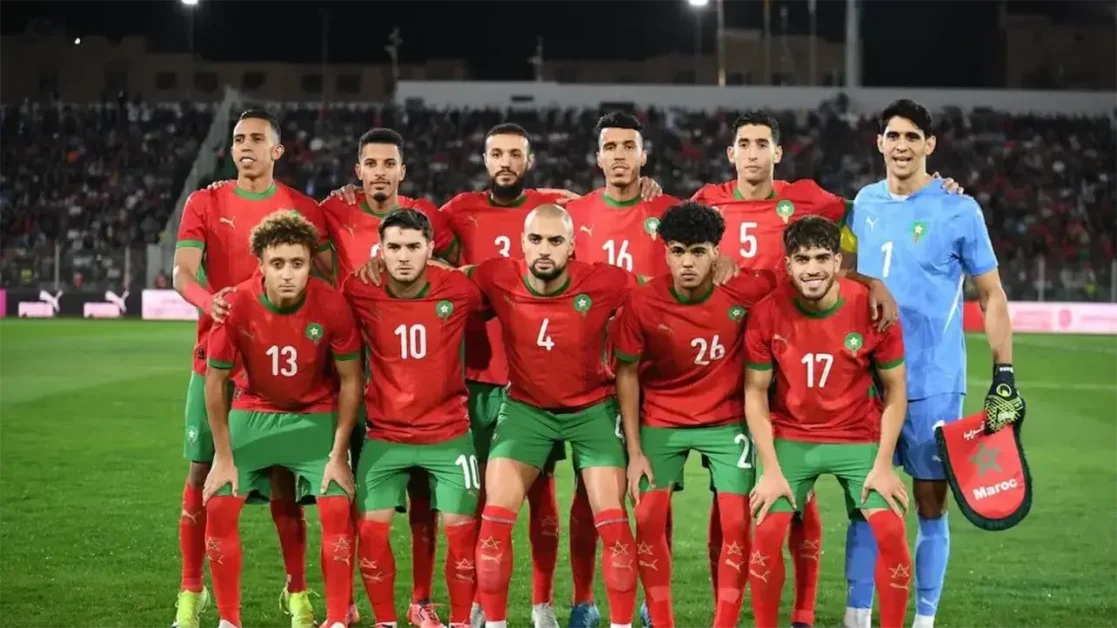
Morocco arrive in North America as Africa’s highest-ranked nation at 8th in the world and the reigning CAF champions – though the continental title came via a bureaucratic ruling following the controversial final against Senegal at the 2025 Africa Cup of Nations on home soil. The Atlas Lions are also the standard-bearers of what African football can achieve, having become the first African side to reach a World Cup semi-final in Qatar 2022.
The squad unveiled by new head coach Mohamed Ouahbi – who succeeded Walid Regragui following the AFCON campaign – blends the experience of the Qatar generation with younger, more athletic talent. Ouahbi was previously the celebrated coach who led Morocco’s Under-20 side to their first-ever FIFA U-20 World Cup title in Chile in 2025, defeating Argentina in the final.
PSG’s Achraf Hakimi, capped 95 times, captains the side and remains the heartbeat of Morocco’s attacking play from right-back. Real Madrid’s Brahim Diaz headlines the attack, stepping up as one of Morocco’s new-generation faces after cementing his status at club level. The midfield is exceptionally deep, featuring Sofyan Amrabat (Real Betis), Bilal El Khannouss (Stuttgart), Neil El Aynaoui (Roma), Azzedine Ounahi (Girona), Ismael Saibari (PSV), and a notable new face: Ayyoub Bouaddi of Lille, who only received FIFA approval on 15 May to switch nationality from France, his country of birth.
Notable absences include Youssef En-Nesyri, who was a key striker during the Qatar 2022 campaign. Morocco open against Brazil in Group C on 14 June at MetLife Stadium — one of the tournament’s most anticipated matches.
▶ MOROCCO Group C
Opponents: Brazil (14 June), Scotland (20 June), Haiti (25 June)
Coach: Mohamed Ouahbi
Key Players: Achraf Hakimi (PSG), Brahim Diaz (Real Madrid), Sofyan Amrabat (Real Betis), Yassine Bounou (Al-Hilal), Bilal El Khannouss (Stuttgart), Ayyoub Bouaddi (Lille)
The new-look squad reflects a generational transition, with Ouahbi opting for a younger, more dynamic unit. Morocco are one of Africa’s most realistic contenders to reach the knockout stages — and potentially beyond.
2. SENEGAL — The Lions of Teranga
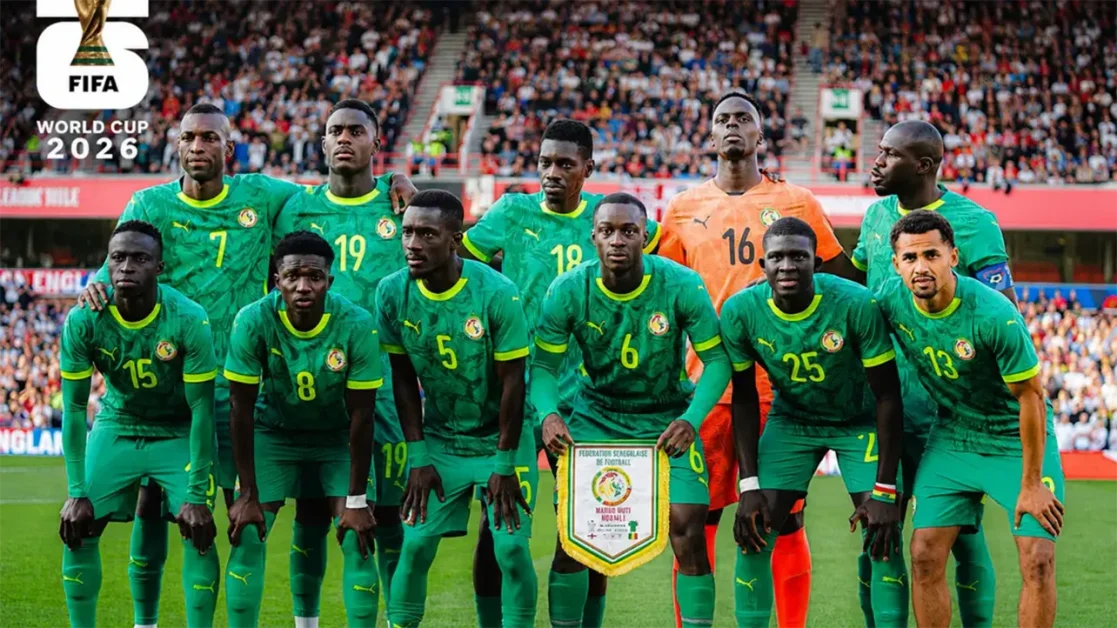
Senegal presents one of the most talented squads on the continent. Their 28-man provisional roster, confirmed on 21 May and to be cut to 26 by 2 June, reads like a who’s who of African football talent plying their trade at the highest levels of European football.
Sadio Mane’s inclusion is the headline. After a period of uncertainty following his move to Saudi Arabia and subsequent fitness concerns, the former Liverpool and Bayern Munich talisman was named in the squad, offering coach Pape Thiaw a totemic figure around whom to build the attack. Alongside Mane are Nicolas Jackson (Chelsea), Ismaila Sarr, Iliman Ndiaye, and teenager Assane Diao — one of European football’s most-watched prospects.
In midfield, Pape Matar Sarr, Lamine Camara, and Idrissa Gueye provide both energy and experience. At the back, veteran Kalidou Koulibaly anchors the defence, while Edouard Mendy — one of the world’s elite goalkeepers — protects the net.
Senegal were the runners-up at AFCON 2025 in what became one of the tournament’s most controversial conclusions, with their walk-off from the final against Morocco leading to CAF awarding the trophy to the Atlas Lions. They will be motivated by redemption — on the global stage.
▶ SENEGAL Group I
Opponents: France (18 June), Norway (23 June), Iraq (28 June)
Coach: Pape Thiaw
Key Players: Sadio Mane, Nicolas Jackson (Chelsea), Ismaila Sarr, Kalidou Koulibaly, Edouard Mendy, Pape Matar Sarr, Lamine Camara, Idrissa Gueye, Iliman Ndiaye
Facing France in the opener is as high-stakes as it gets. Senegal has the squad to make the knockout rounds, but must navigate one of the toughest groups in the draw.
3. EGYPT — The Pharaohs
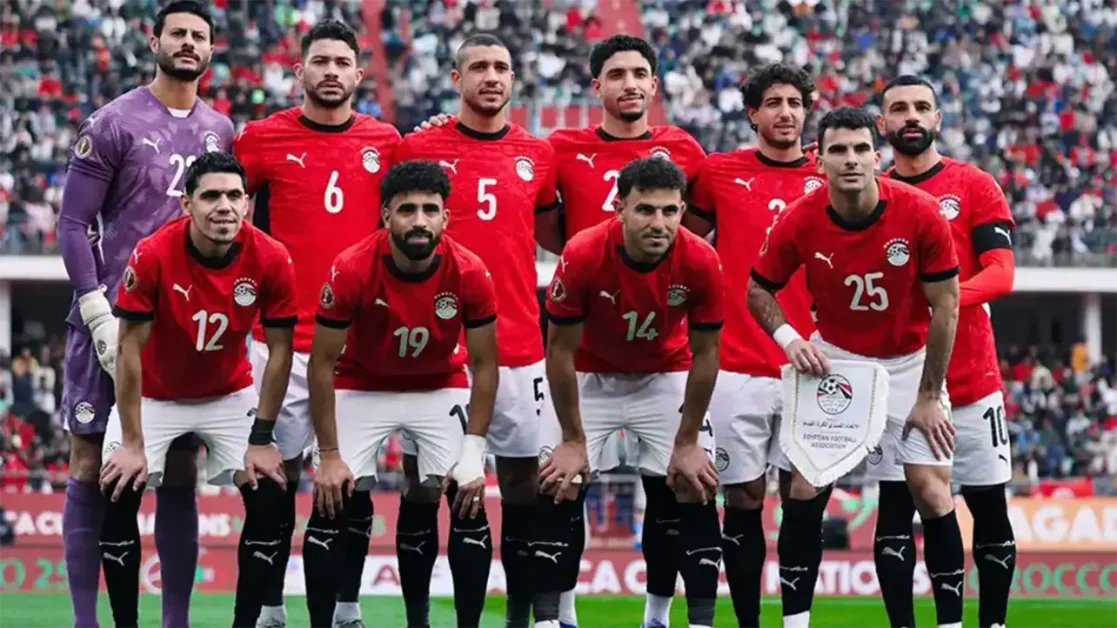
Egypt’s World Cup announcement carried an electrifying subtext: Mohamed Salah, confirmed as leaving Liverpool at the end of the season, will lead the Pharaohs into what is expected to be one of his final appearances at an international tournament. Salah, who has scored 67 goals in 115 appearances for Egypt, goes to the World Cup as one of the planet’s most recognisable athletes and one of African football’s greatest-ever players.
Alongside Salah in the attack is Omar Marmoush of Manchester City — the Egyptian striker who lit up the Premier League and Champions League this season with his electric form. Uncapped 18-year-old Hamza Abdelkarim, who plays for Barcelona’s youth side, is an intriguing inclusion at the other end of the experience spectrum.
Head coach Hossam Hassan has built a squad with a strong Al Ahly-heavy domestic spine, supplemented by Salah, Marmoush, and Haissem Hassan (Real Oviedo) as the European-based outfield talent. Egypt face Belgium in Group G — the Red Devils ranked among the world’s elite — alongside Iran and New Zealand.
▶ EGYPT Group G
Opponents: Belgium (17 June), Iran (22 June), New Zealand (27 June)
Coach: Hossam Hassan
Key Players: Mohamed Salah (Liverpool), Omar Marmoush (Manchester City), Mahmoud Trezeguet (Al Ahly), Emam Ashour (Al Ahly), Mohamed El Shenawy (Al Ahly)
This may be Salah’s final World Cup, making every Egypt game a moment of deep national and continental significance. Progression from the group depends heavily on his fitness and form.
4. ALGERIA — The Desert Foxes
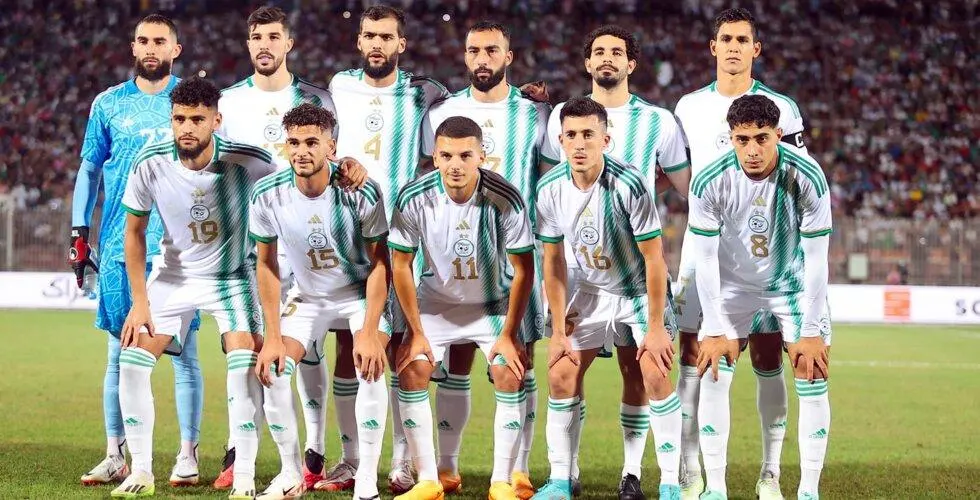
Algeria’s final squad announcement was expected no later than 31 May, with the Desert Foxes placed in Group J — one of the tournament’s most explosively dramatic groups — alongside Argentina, Austria, and Jordan. Facing Argentina and Lionel Messi in the group stage will be a moment of enormous symbolic weight: two of the world’s most passionate football nations colliding in a World Cup group match.
Algeria’s squad features a generation of players born or raised in France who have chosen the green jersey, giving the team extraordinary talent density. Ranked 28th in the world, they go into the tournament as one of Africa’s most credible dark horses, having qualified top of their CAF group.
▶ ALGERIA Group J
Opponents: Argentina (20 June), Austria (25 June), Jordan (30 June)
Coach: To be confirmed
Key Players: Squad to be finalised by 31 May 2026 — a strong French-based generation gives Algeria considerable European pedigree
The group draw against Argentina is one of the most tantalising fixtures of the entire tournament. Algeria’s potential to cause an upset cannot be discounted.
5. IVORY COAST (Côte d’Ivoire) — The Elephants
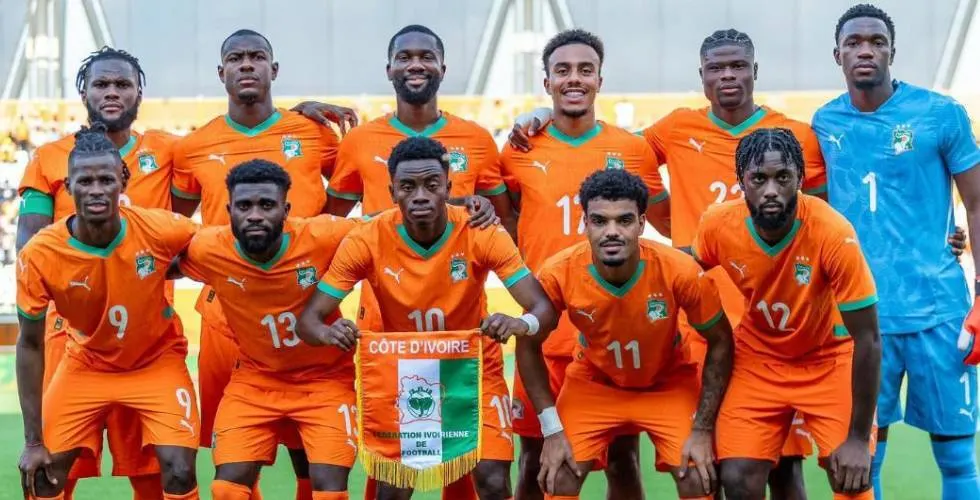
The Elephants of Ivory Coast have confirmed a squad that reflects their status as one of West Africa’s footballing aristocracies. Ranked 34th in the world, they are placed in Group E alongside Germany — last year’s European champions — Ecuador, and Curaçao.
The squad features an impressive defensive and midfield core, with Evan Ndicka, Odilon Kossounou, Wilfried Singo, and Emmanuel Agbadou forming a formidable backline. In midfield, former Liverpool and AC Milan dynamo Franck Kessie brings experience, while Ibrahim Sangaré and Seko Fofana provide further quality. Goalkeeper Yahia Fofana is among the continent’s most reliable between the sticks.
Having won AFCON in their own right in the recent past and with a squad rich in Bundesliga and Ligue 1 experience, the Ivory Coast are well-equipped to navigate even a tough group.
▶ IVORY COAST Group E
Opponents: Ecuador (14 June), Germany (20 June), Curaçao (25 June)
Coach: To be confirmed
Key Players: Franck Kessie, Ibrahim Sangaré, Seko Fofana, Odilon Kossounou, Evan Ndicka, Wilfried Singo, Yahia Fofana (GK)
The Germany clash on 20 June is the defining fixture. Ivory Coast is capable of advancing, particularly with their midfield quality and defensive organisation.
6. TUNISIA — The Eagles of Carthage
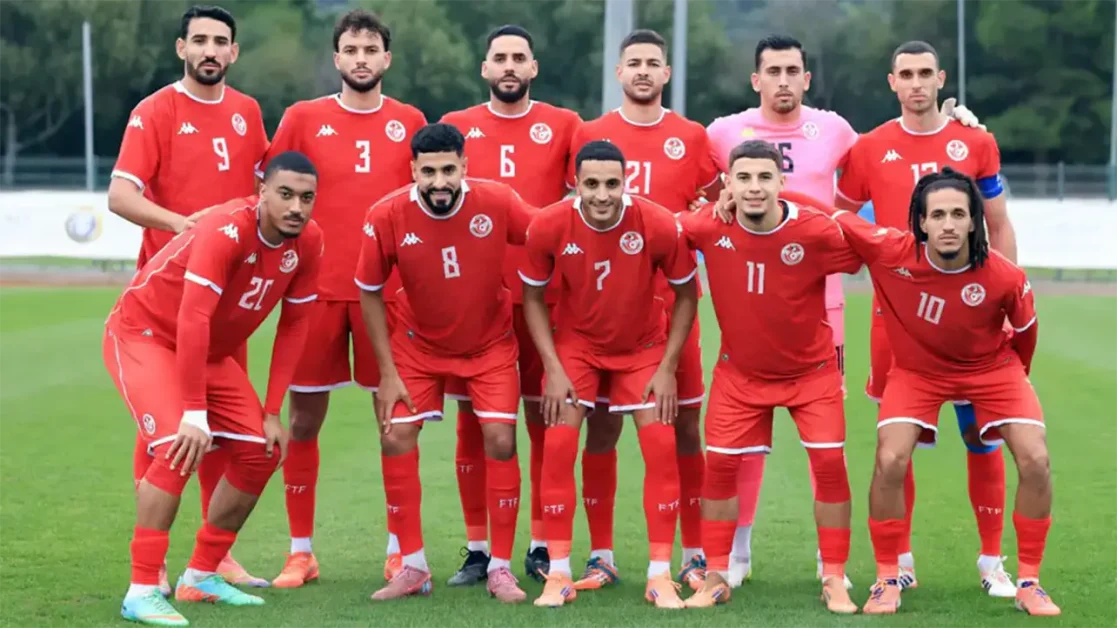
Tunisia’s squad announcement featured a significant storyline: the exclusion of veteran midfielder Youssef Msakni (known as Sassi), whose omission by coach Samir Lamouchi generated debate among Tunisian fans. The squad is built around a core of European-based talent, with Hannibal Mejbri — the Manchester United midfielder on loan — one of the most-discussed players in the group, alongside Ellyes Skhiri and Anis Ben Slimane.
Tunisia is placed in Group F alongside the Netherlands, Sweden, and Japan — a challenging pool that will test their defensive solidity and tactical discipline. The Eagles of Carthage have historically been one of North Africa’s most reliable World Cup qualifiers, and this tournament marks yet another chapter in their consistent continental representation.
▶ TUNISIA Group F
Opponents: Japan (13 June), Netherlands (18 June), Sweden (23 June)
Coach: Samir Lamouchi
Key Players: Hannibal Mejbri, Ellyes Skhiri, Ali Abdi, Dylan Bronn, Anis Ben Slimane, Elias Achouri
Facing both the Netherlands and Japan will be formidable tests, but Tunisia’s tactical discipline gives them a chance of making things uncomfortable for any opponent.
7. DR CONGO — The Leopards
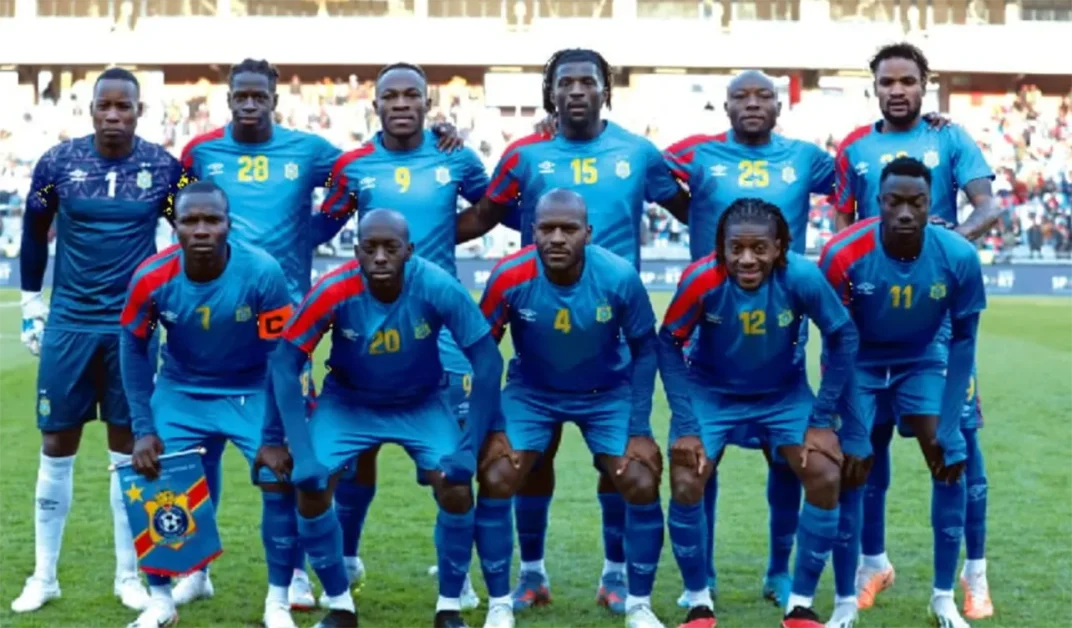
DR Congo’s presence at the 2026 World Cup is the most dramatic qualifying story of any African nation. The Leopards secured the tenth and final African slot through the intercontinental play-offs, edging Jamaica 1-0 in extra time — a nerve-shredding conclusion that sent the country of nearly 100 million people into celebration.
Their squad, ranked 46th in the world, is a mix of European professional talent and domestically-based players. The defensive spine features names well-known in European football: Chancel Mbemba (Lille), Axel Tuanzebe (Burnley), Arthur Masuaku (Lens), and Aaron Wan-Bissaka (West Ham United). The forward line is led by Yoane Wissa (Newcastle United) and Cédric Bakambu (Real Betis), with Simon Banza and Fiston Mayele providing additional attacking options.
DR Congo are drawn in Group K with Portugal, Colombia, and Uzbekistan. Facing Cristiano Ronaldo’s Portugal in the group stage will be an extraordinary moment for a nation whose footballing journey to this tournament was anything but straightforward.
▶ DR CONGO Group K
Opponents: Portugal (14 June), Colombia (19 June), Uzbekistan (24 June)
Coach: To be confirmed
Key Players: Yoane Wissa (Newcastle), Aaron Wan-Bissaka (West Ham), Chancel Mbemba (Lille), Cédric Bakambu (Real Betis), Simon Banza, Arthur Masuaku (Lens), Gaël Kakuta
The Leopards are the tournament’s romantic African qualifier — arriving through the toughest route, with the least to lose and everything to prove.
8. SOUTH AFRICA — Bafana Bafana
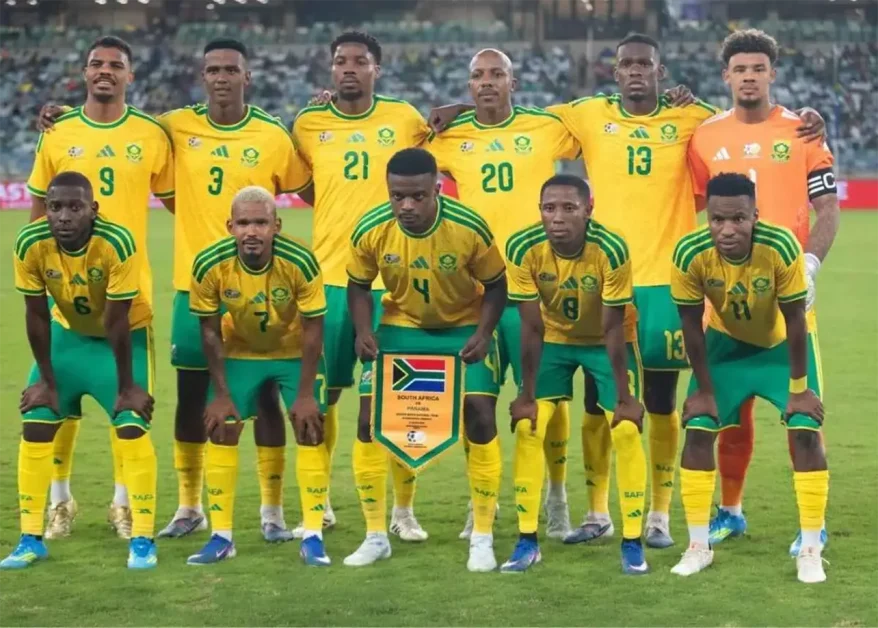
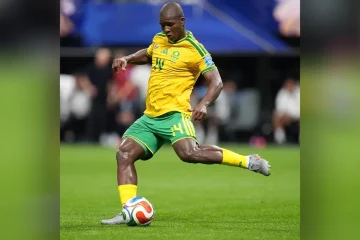
South Africa’s return to the World Cup is one of the continent’s most emotionally resonant stories of this tournament cycle. Bafana Bafana last appeared at a World Cup in 2010 — when they hosted the tournament — making their qualification for 2026 a 16-year wait finally over.
Their path to qualification was not without controversy. South Africa topped their CAF qualifying group, but a FIFA disciplinary ruling awarded Lesotho a 3-0 walkover victory after an ineligible player featured in a match — a setback that nearly derailed the campaign. Nigeria’s struggles in the group ultimately allowed South Africa to hold on.
The 26-man squad is led by veteran goalkeeper Ronwen Williams — one of the continent’s finest — alongside fellow keepers Ricardo Goss, Sipho Chaine, and Brandon Petersen. The outfield core features Khuliso Mudau, Bradley Cross, Nkosinathi Sibisi, Aubrey Modiba, and Thabiso Monyane in defence, with a midfield capable of competing physically at the highest level.
Bafana Bafana are placed in Group A — the tournament’s opening group — and will play their first match on 11 June in Mexico City against co-host Mexico, making South Africa part of the World Cup’s opening day of football. They subsequently face Czechia in Atlanta on 18 June, and South Korea in Monterrey on 24 June.
▶ SOUTH AFRICA Group A
Opponents: Mexico (11 June – opening day), Czechia (18 June), South Korea (24 June)
Coach: Hugo Broos / To be confirmed
Key Players: Ronwen Williams (GK), Khuliso Mudau, Bradley Cross, Nkosinathi Sibisi, Aubrey Modiba, Thabiso Monyane, Ime Okon, Olwethu Makhanya, Thabang Matuludi
South Africa is the sentimental favourite of African football fans across the continent. Playing on the tournament’s opening day against a Mexican side backed by a partisan home crowd is the ultimate trial by fire for this returning nation.
9. CAPE VERDE — The Blue Sharks
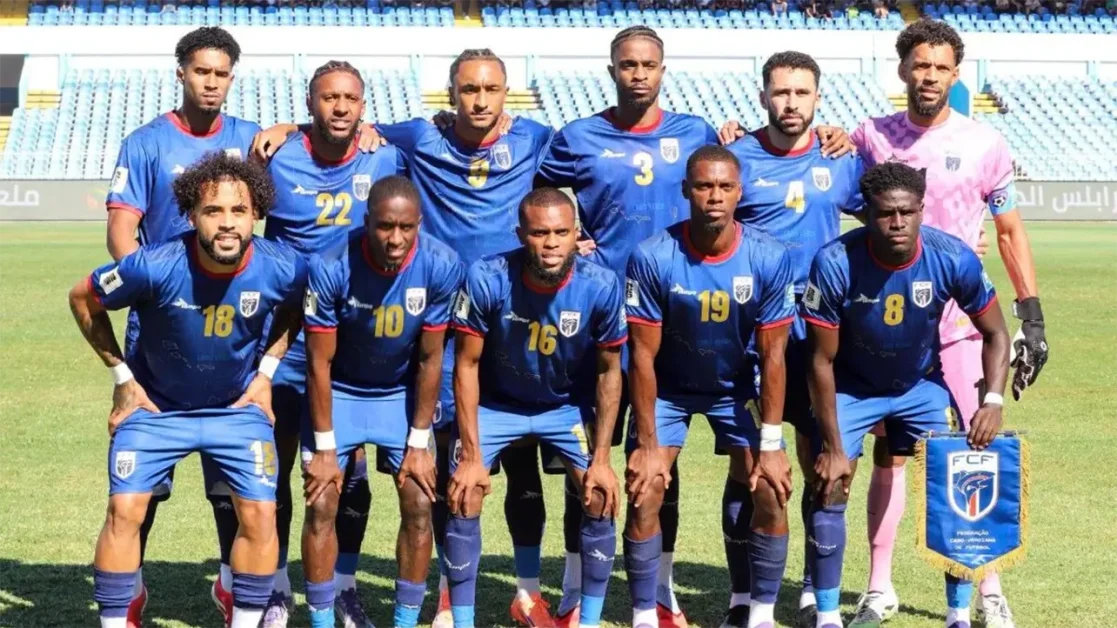
Cape Verde’s appearance at the 2026 FIFA World Cup represents one of the tournament’s finest underdog stories. The island nation of fewer than 600,000 people will make its World Cup debut in North America — a historic milestone celebrated across the archipelago. Ranked 69th in the world, they are the smallest nation by population in the entire tournament.
Their squad includes players drawn from across European leagues, and one particularly notable selection: Lopes of Shamrock Rovers — a nod to the diaspora that has always driven Cape Verde’s footballing identity. The Blue Sharks are drawn in Group H alongside Spain, Uruguay, and Saudi Arabia — an extraordinarily challenging pool for a first World Cup.
But Cape Verde qualified by topping their CAF group, a result that was no accident — they have been one of African football’s quiet success stories across multiple qualifying cycles.
▶ CAPE VERDE Group H
Opponents: Spain (14 June), Uruguay (19 June), Saudi Arabia (24 June)
Coach: To be confirmed
Key Players: Squad includes Lopes (Shamrock Rovers) and a strong European diaspora-based core
No African nation arrives with less expectation and more licence to play freely. Cape Verde’s debut is one of the tournament’s must-watch narratives.
10. GHANA — The Black Stars
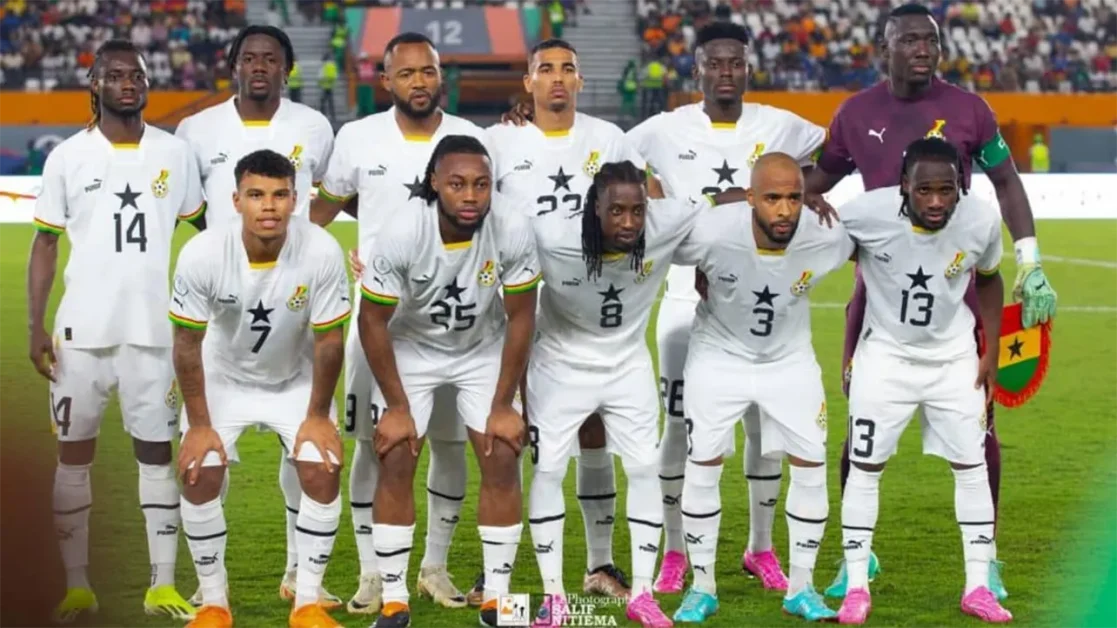
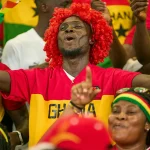
Ghana completes Africa’s historic ten-team roll call. The Black Stars, ranked 74th in the world, are placed in Group L alongside England, Croatia, and Panama. Their squad — to be finalised by 2 June — is built around a generation attempting to recapture the continental prestige of Ghana’s famous 2010 quarter-final run, when Asamoah Gyan’s penalty heartbreak against Uruguay became one of the tournament’s defining moments.
Ghana qualified by topping their CAF group, and their squad is expected to feature a blend of European-based talent and domestically-experienced players. The England clash — two nations with a significant diaspora connection — will be one of the group stage’s culturally loaded encounters.
▶ GHANA Group L
Opponents: England (17 June), Croatia (22 June), Panama (27 June)
Coach: To be confirmed
Key Players: Squad to be finalised by 2 June 2026
Ghana’s Black Stars carry the hopes of a football-mad nation that came within a penalty kick of a World Cup semi-final in 2010. The England fixture will have enormous symbolic weight.
THE BIGGER PICTURE: WHAT AFRICA’S RECORD REPRESENTATION MEANS
The presence of ten African nations at the 2026 FIFA World Cup is not simply a product of FIFA’s tournament expansion — though the change from 32 to 48 teams was the structural enabler. It is, as analysts and coaches across the continent have argued, a recognition of African football’s sustained development, its advocacy within FIFA’s governance structures, and its on-field execution at both club and international level.
Morocco’s 2022 semi-final raised the ceiling of what was believed possible. Senegal’s AFCON consistency, Egypt’s Salah era, and the emergence of elite clubs across the continent have produced a generation of African players who are among the most sought-after in world football. More than half of the players in Africa’s ten squads play in Europe’s top five leagues or major European competitions.
“Africa is being recognised at this level, and even though Morocco and Senegal are at the forefront, every team that has made the trip has a point to prove.”
Pulse Kenya
The 48-team format also reshapes the knockout mathematics in Africa’s favour. Two group winners and the eight best third-placed teams advance to the round of 32, meaning that a well-organised African side finishing third in a group is not automatically eliminated — unlike in the old 32-team format.
There is also, for the first time, a genuine argument to be made about African coaching. Several of the ten teams are led by or have been influenced by local coaching philosophies, with the continent’s own tactical identity increasingly shaping how African nations present themselves on the world stage. The era of importing European or South American coaches as the default first choice is being interrogated — not least because Morocco’s Ouahbi and his generation of locally-formed tactical thinkers have demonstrated what African coaching minds can achieve.
The US government’s decision to temporarily waive its US$15,000 visa bond requirement for fans from five African World Cup nations — Algeria, Cape Verde, Ivory Coast, Senegal, and Tunisia — is a practical acknowledgment of the logistical barriers that have historically made it harder for African supporters to follow their teams abroad. That the waiver applies only to five of the ten, however, points to unresolved structural inequities in how African fan participation in global football is enabled.
AFRICA’S WORLD CUP 2026: AT A GLANCE
The ten African nations are distributed across ten of the twelve groups, with no two African sides drawn together in the group stage. The draws reflect the new scale of African presence — every corner of the tournament bracket carries an African story.
Group A: South Africa (vs Mexico, Czechia, South Korea)
Group C: Morocco (vs Brazil, Scotland, Haiti)
Group E: Ivory Coast (vs Ecuador, Germany, Curaçao)
Group F: Tunisia (vs Japan, Netherlands, Sweden)
Group G: Egypt (vs Belgium, Iran, New Zealand)
Group H: Cape Verde (vs Spain, Uruguay, Saudi Arabia)
Group I: Senegal (vs France, Iraq, Norway)
Group J: Algeria (vs Argentina, Austria, Jordan)
Group K: DR Congo (vs Portugal, Colombia, Uzbekistan)
Group L: Ghana (vs England, Croatia, Panama)
A WATERSHED MOMENT
When the 2026 FIFA World Cup opens on 11 June in Mexico City, Bafana Bafana of South Africa will step onto the field as representatives not just of their nation, but of a continent that has waited 16 years to see one of its own on the opening day of the world’s biggest tournament. Across North America, nine other African stories will unfold — some glorious, some painful, all significant.
The squad announcements of the past two weeks have been more than administrative formalities. There have been declarations of intent from ten nations that view the 2026 World Cup not as a participation exercise, but as an opportunity to advance Africa’s status in the hierarchy of world football. Morocco has proved that a semi-final is possible. Senegal has shown that African football can match the world’s best in organisation and flair. Egypt’s Salah embodies what the continent produces at its most brilliant.
The names are set. The journey begins. And for the first time in the tournament’s history, Africa sends ten roars into the arena at once.